
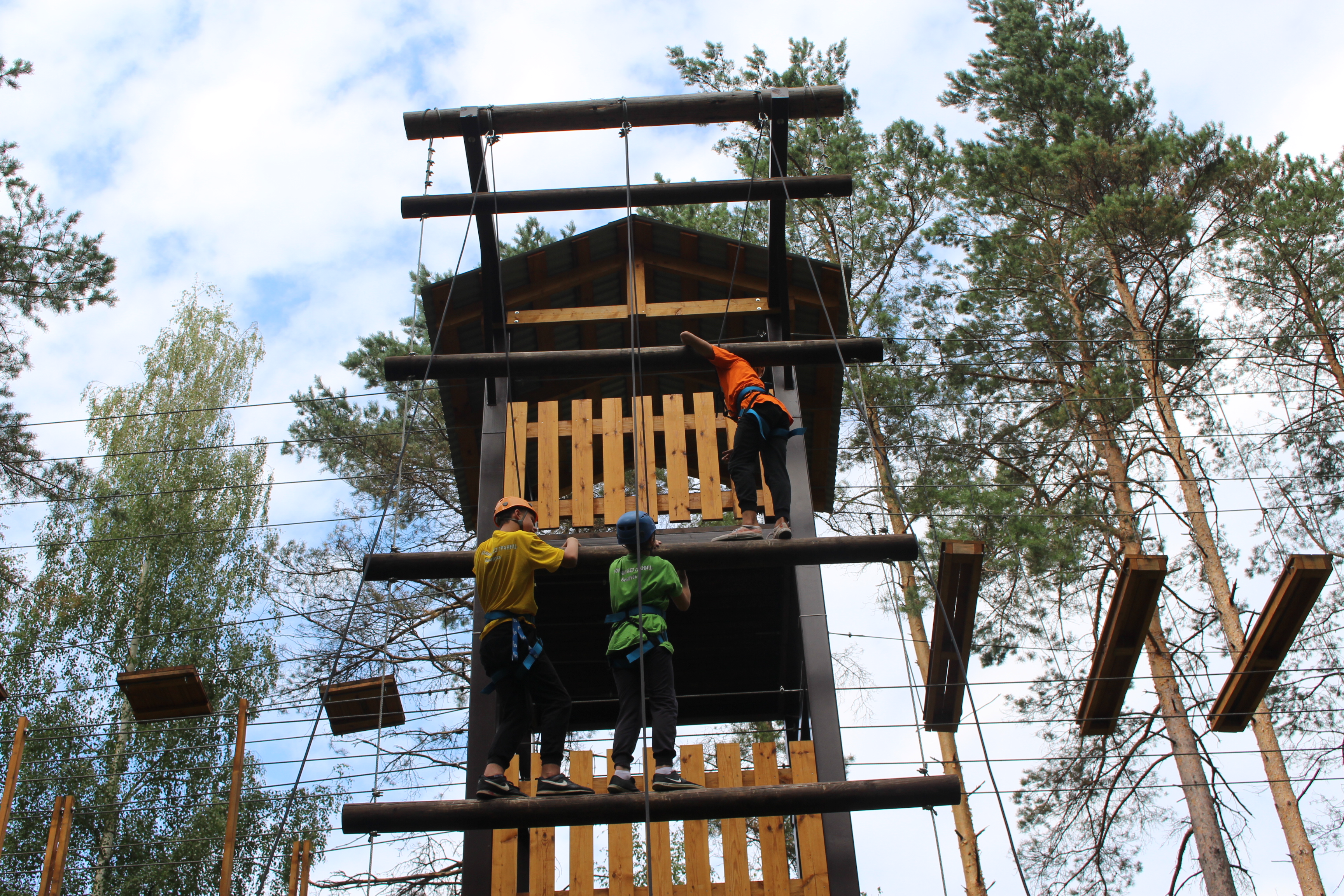
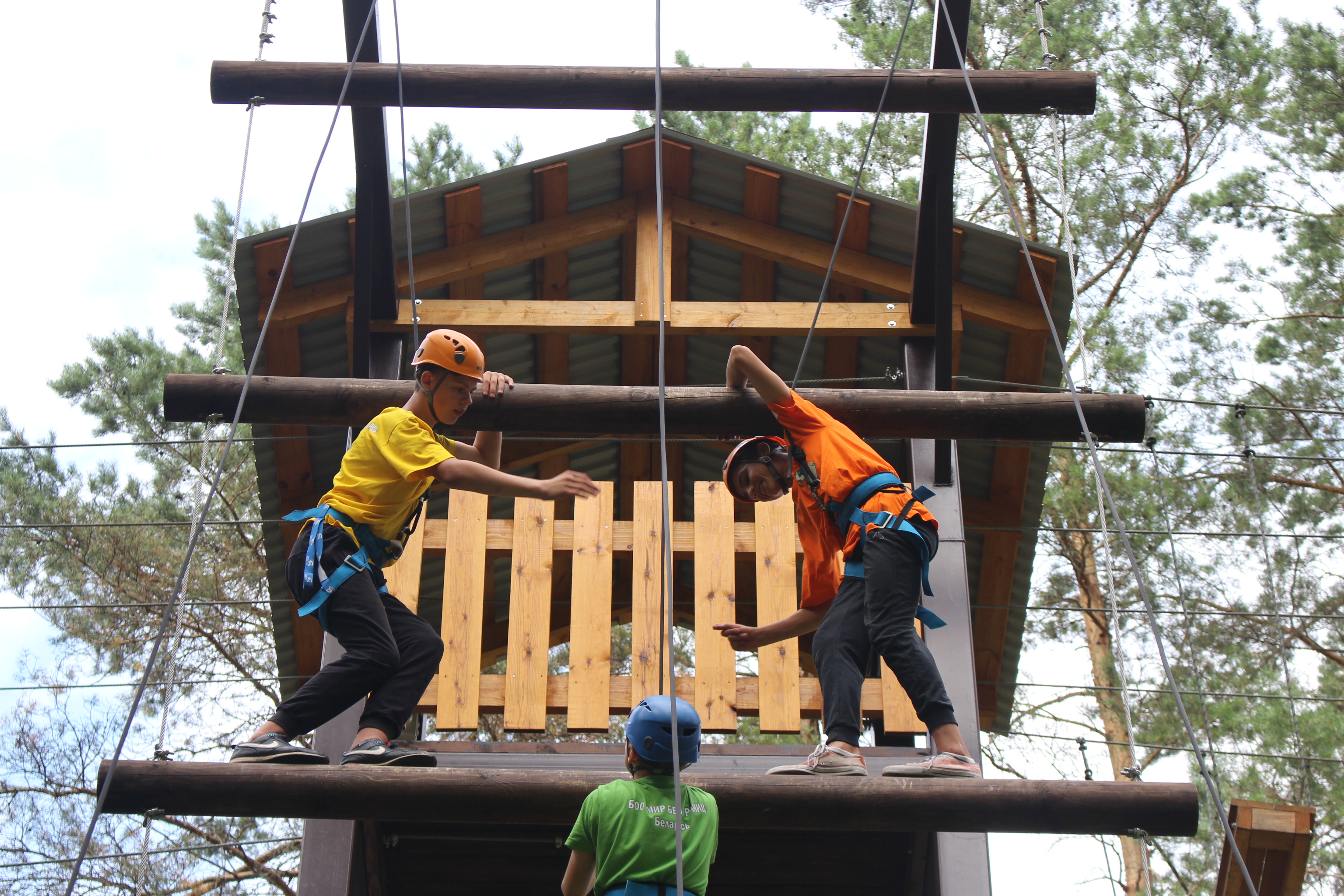
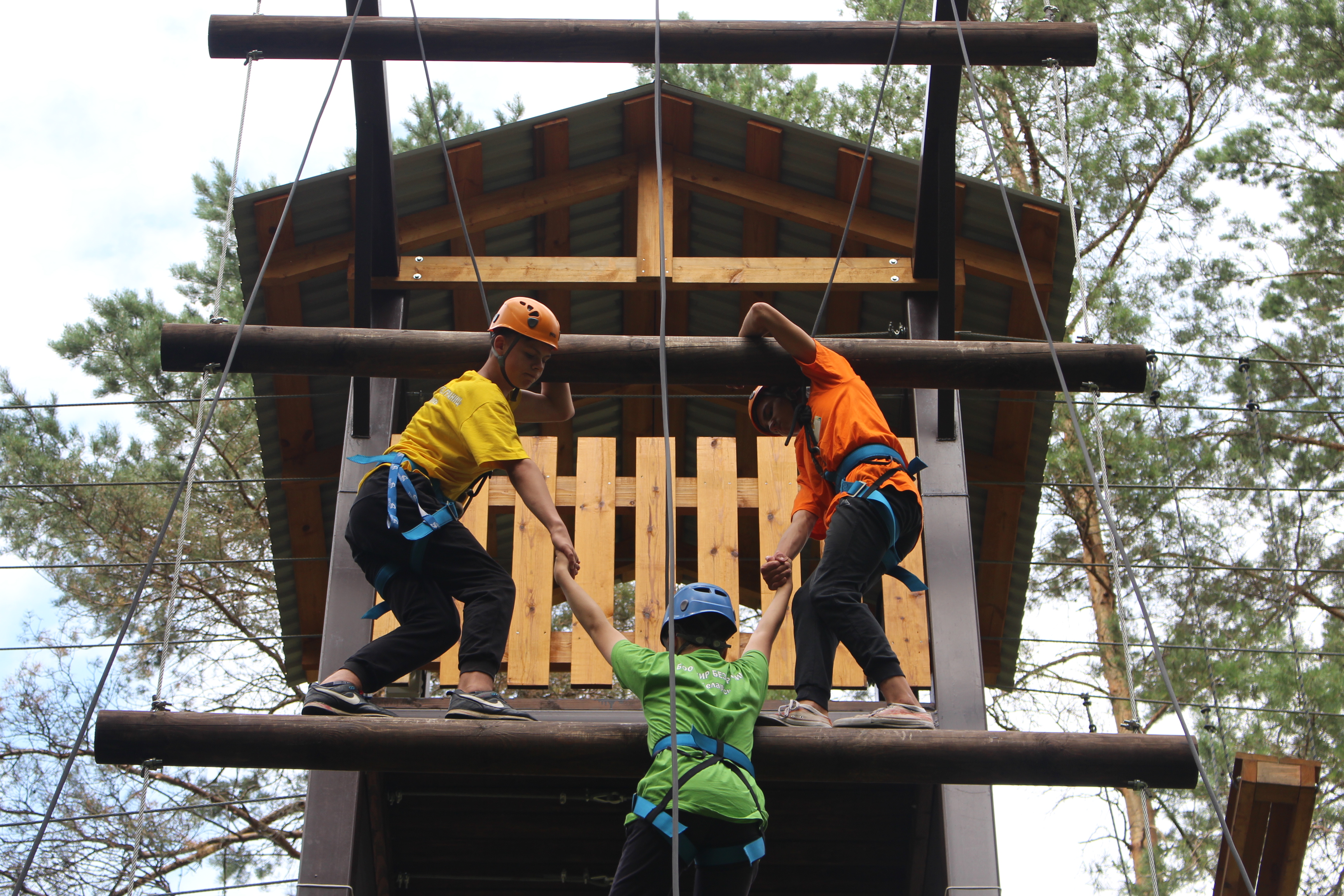
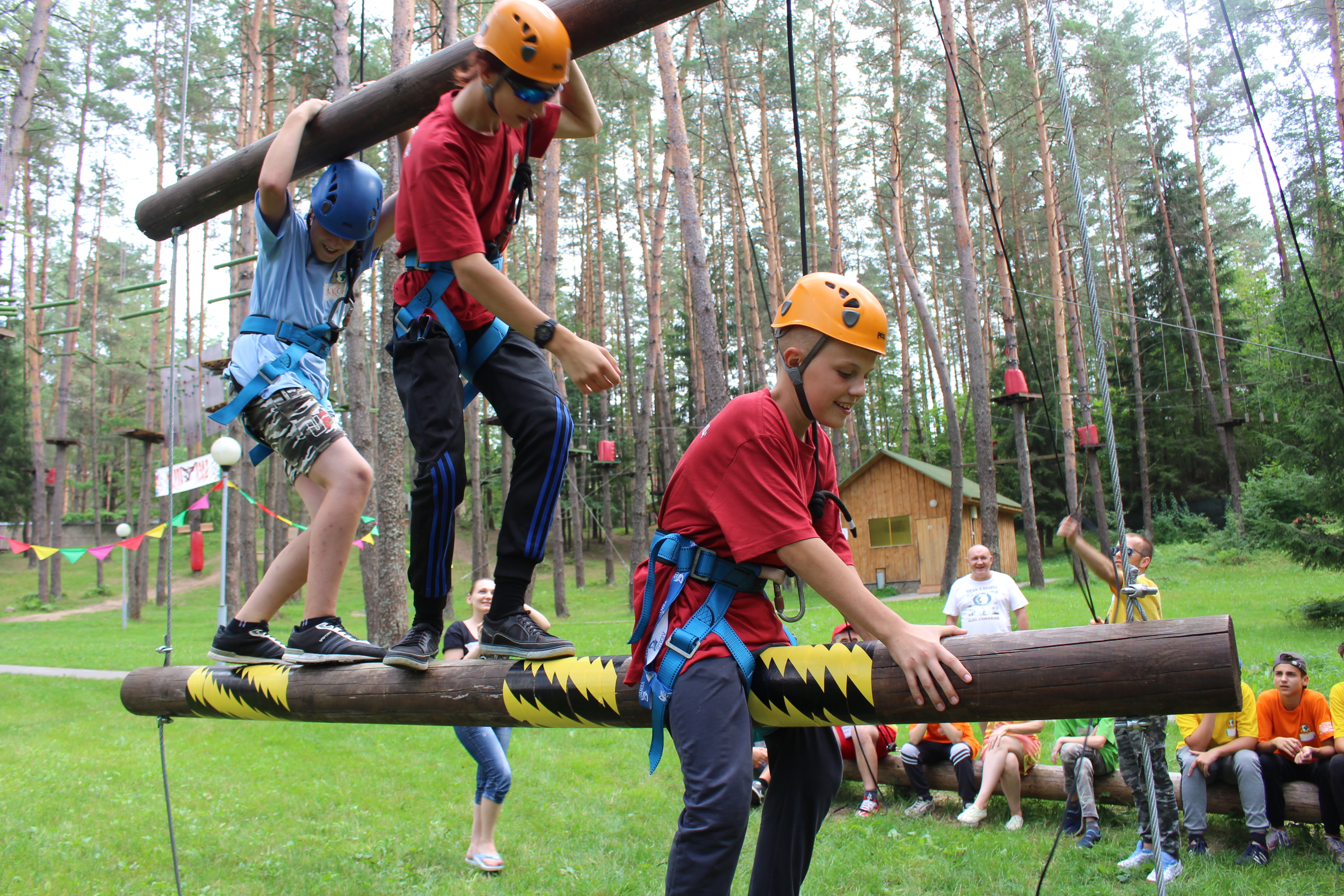
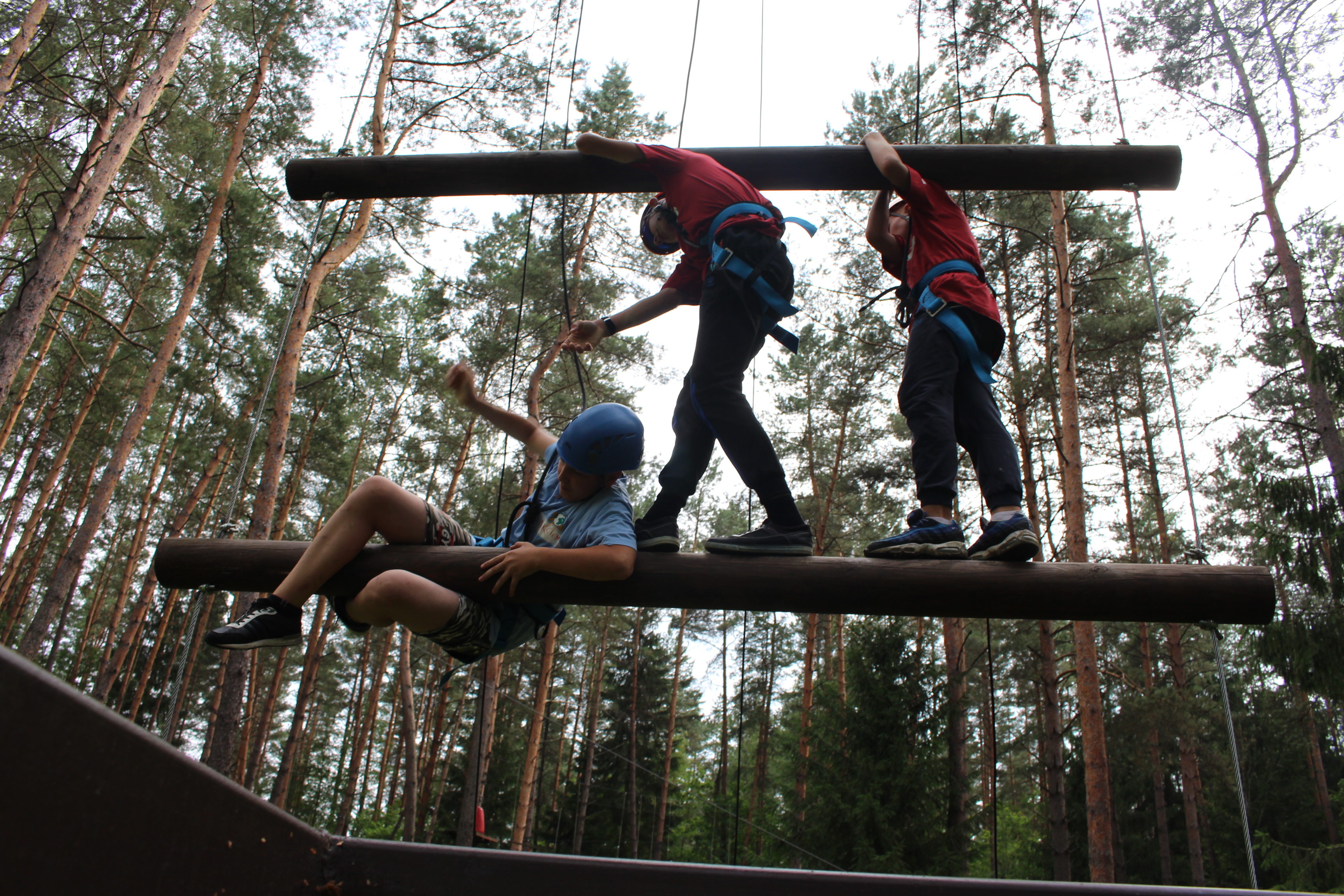
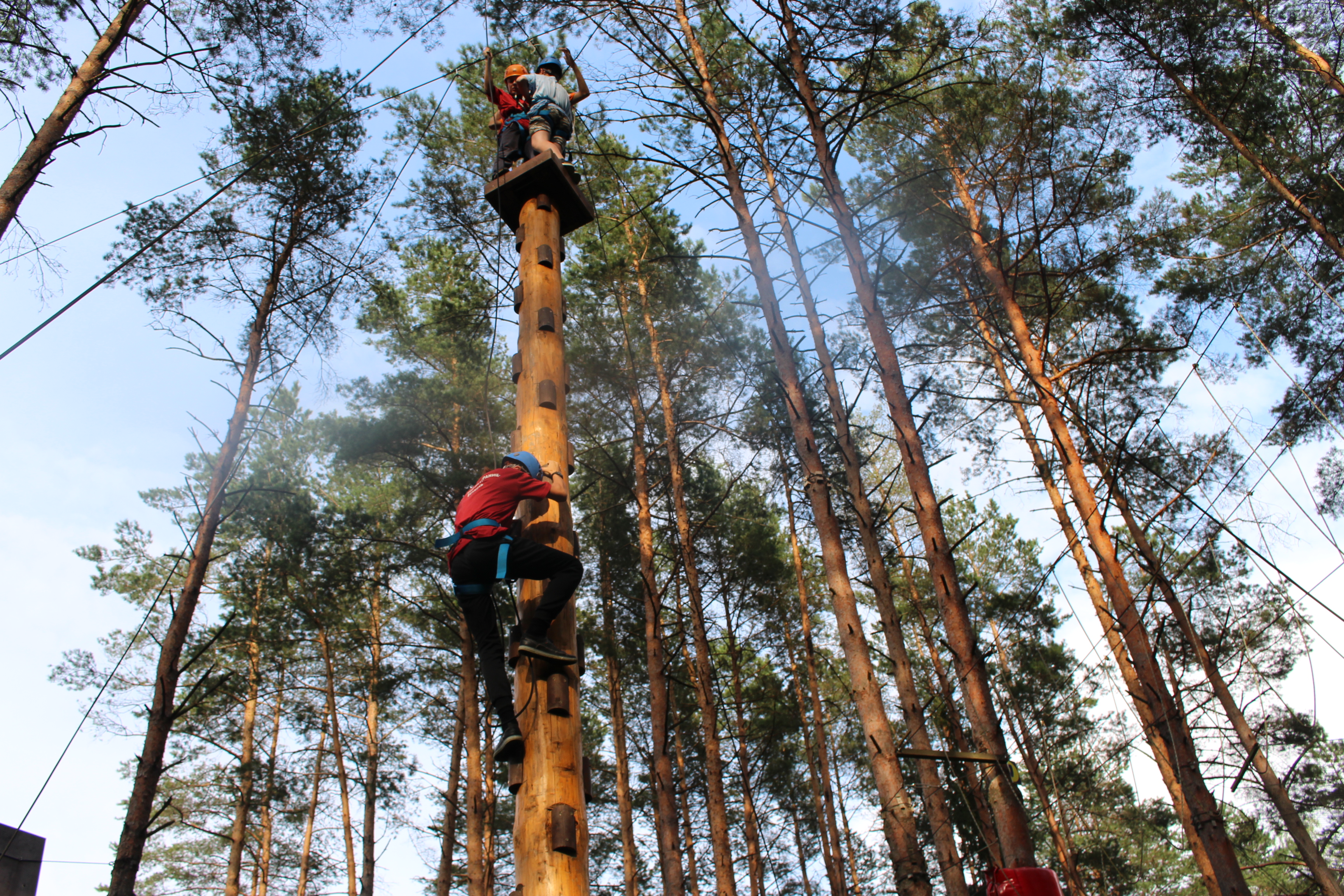
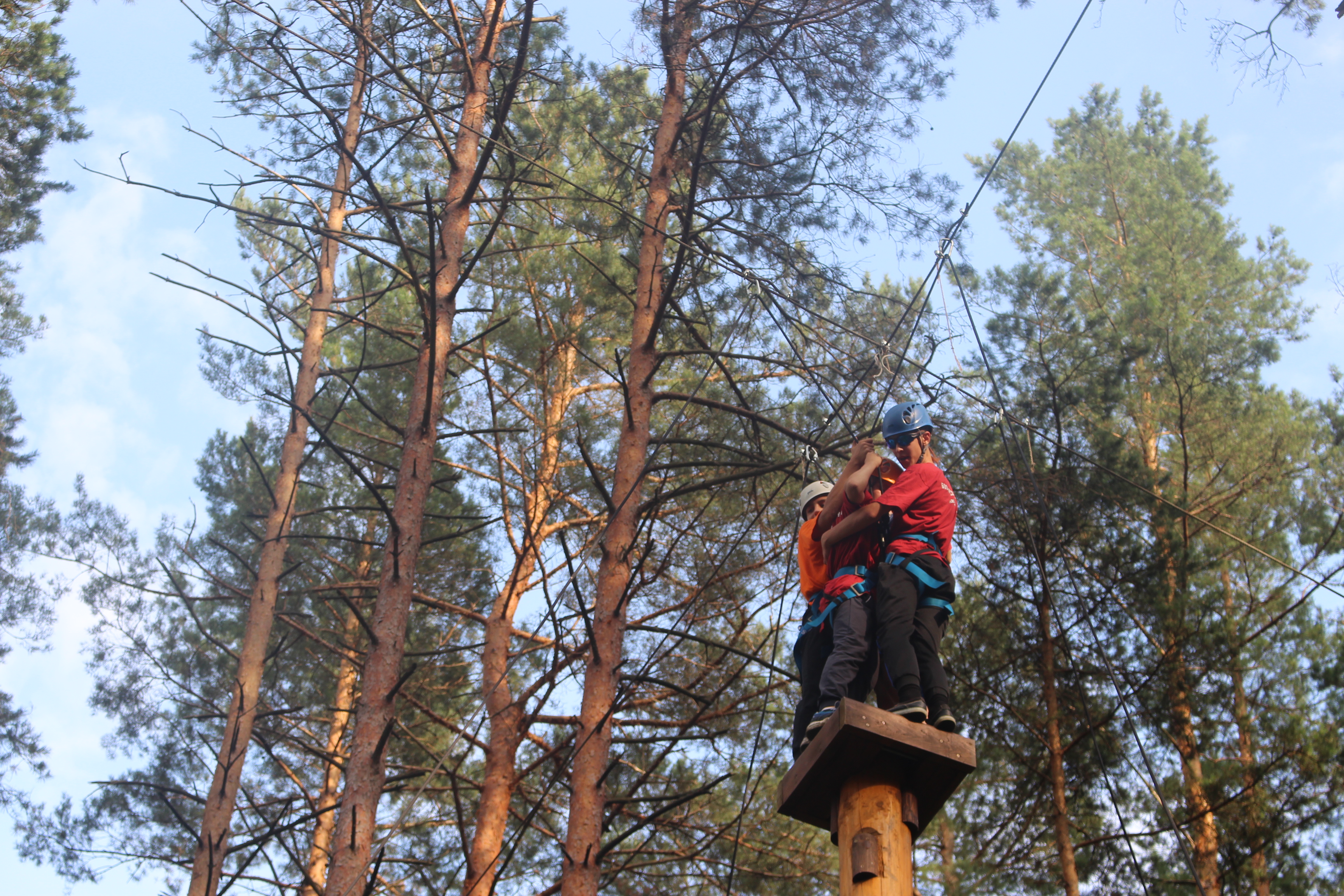
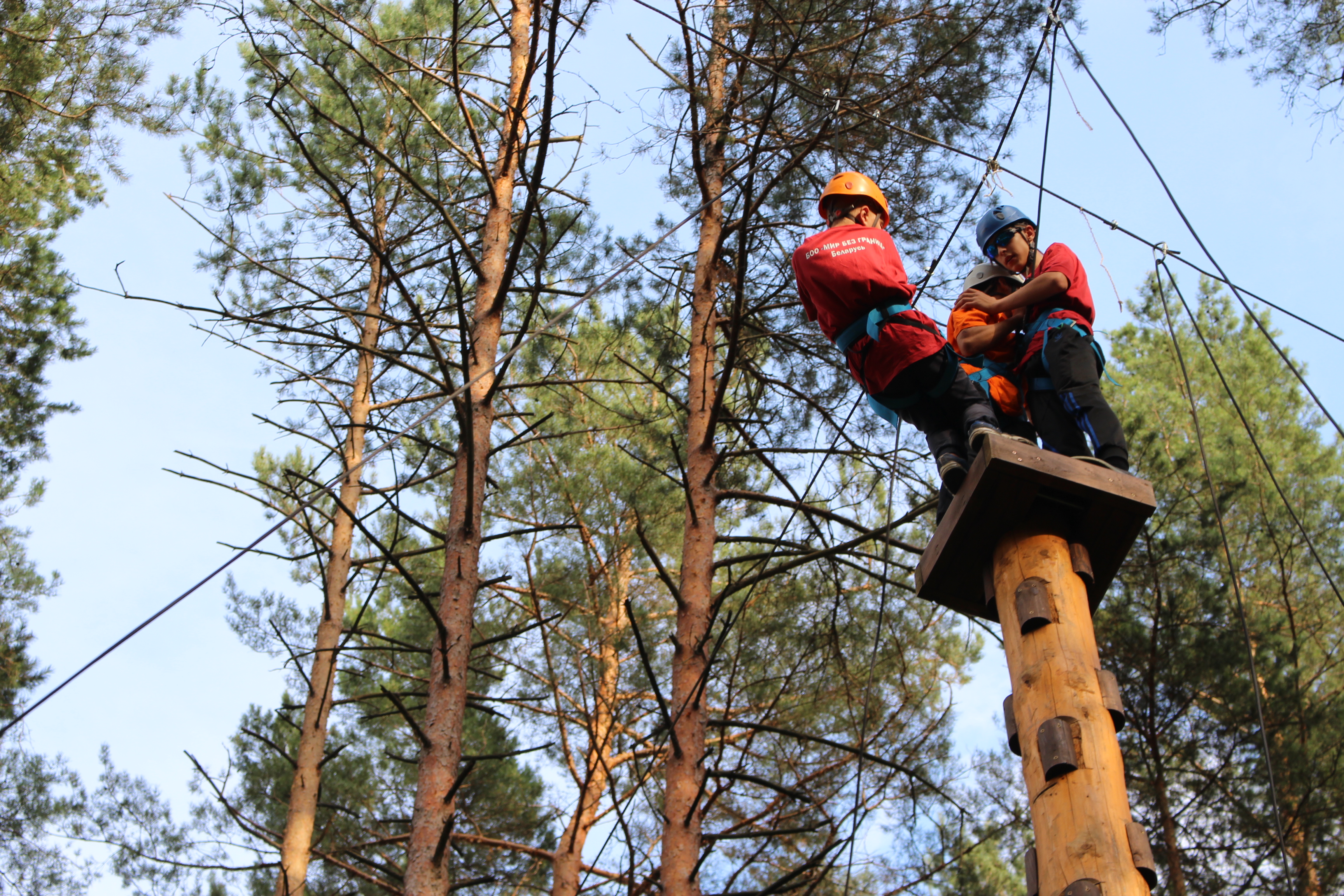
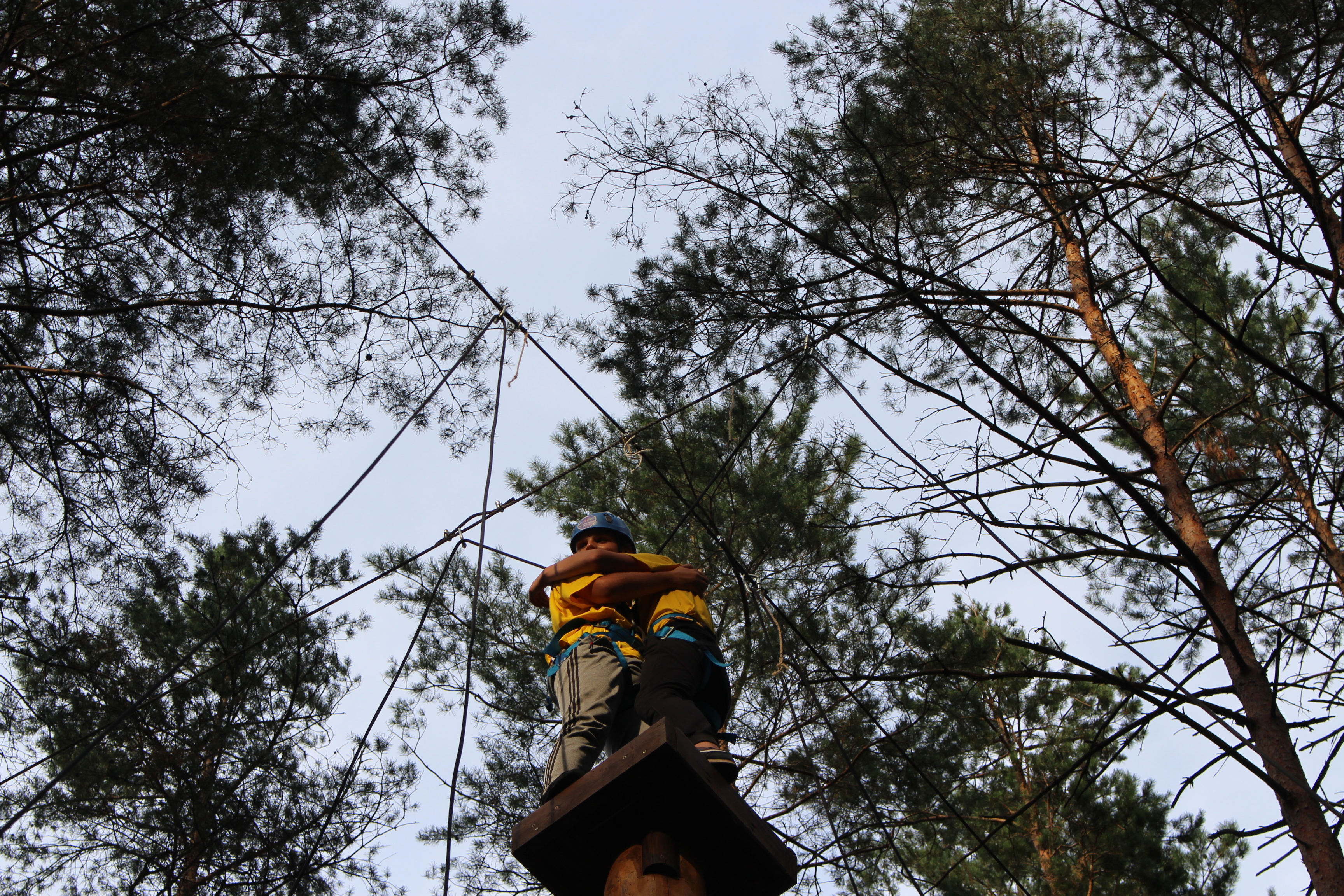
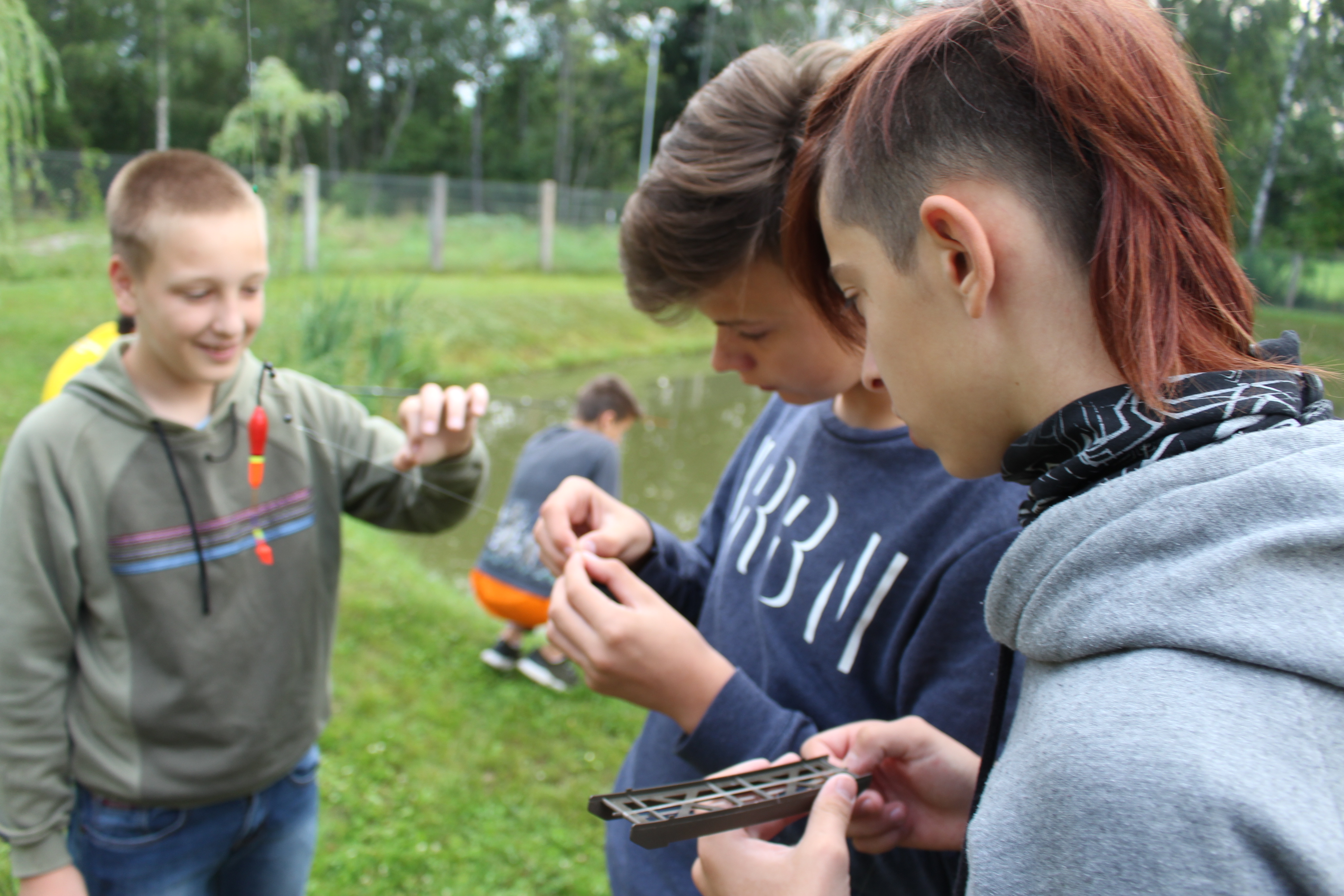
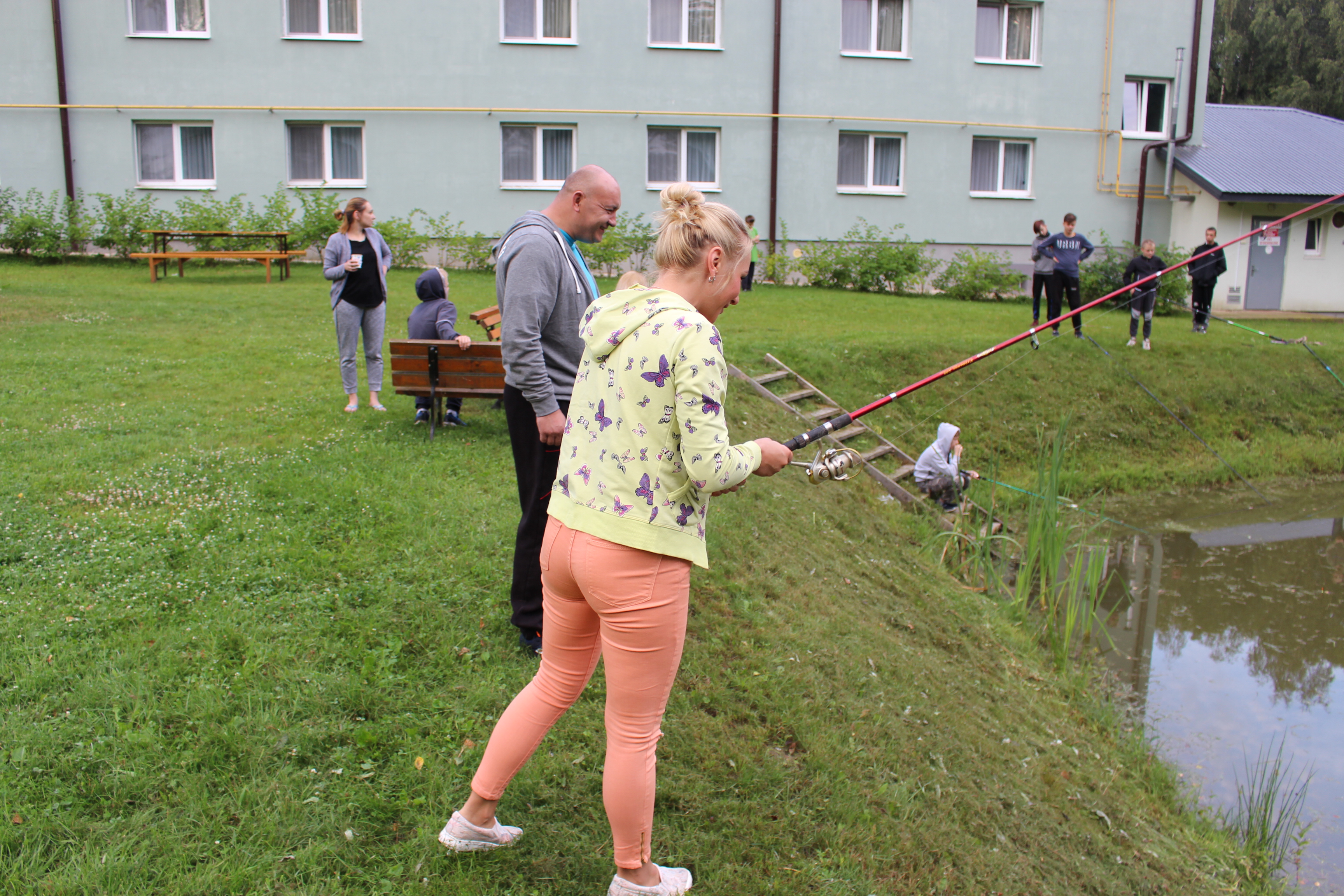
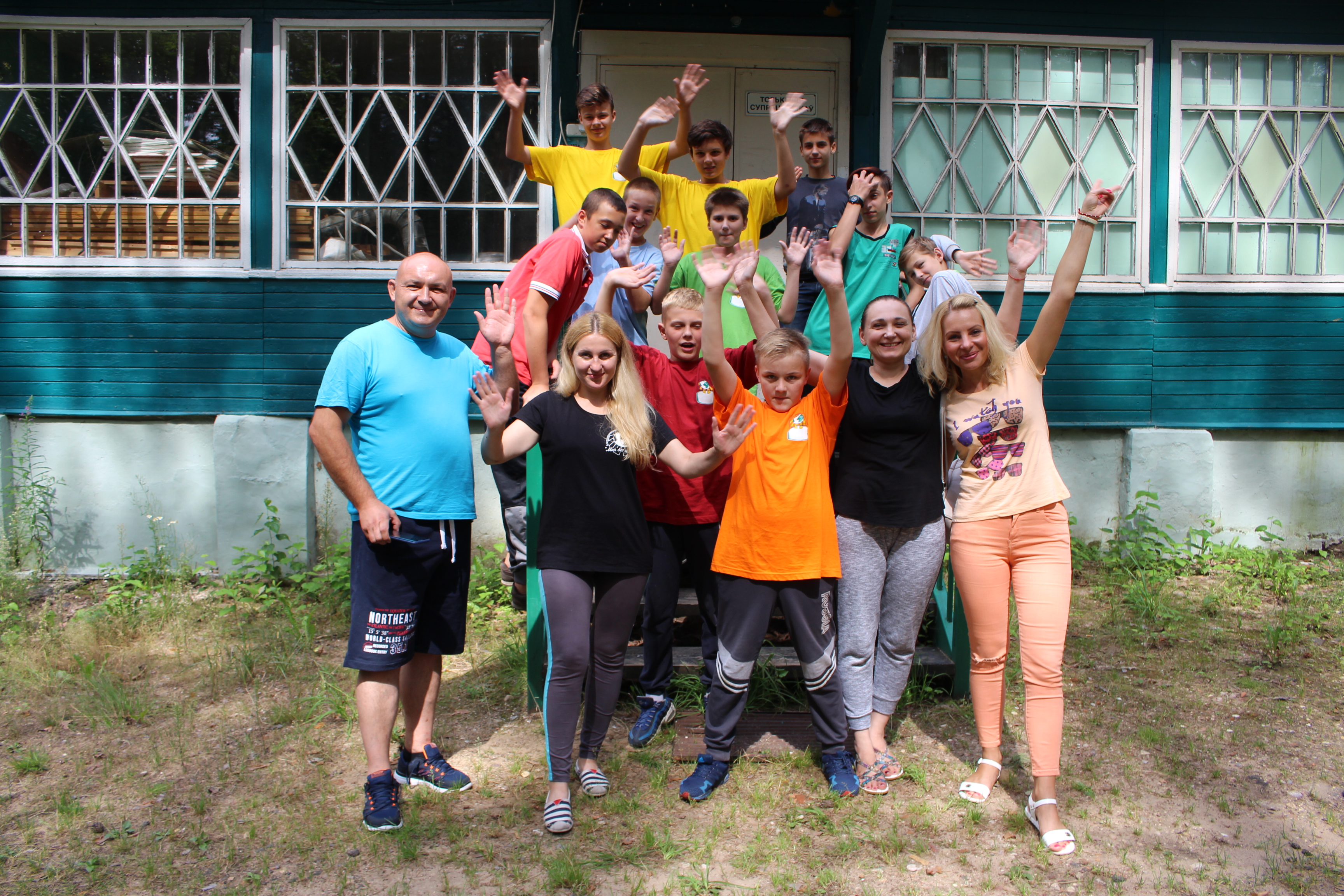
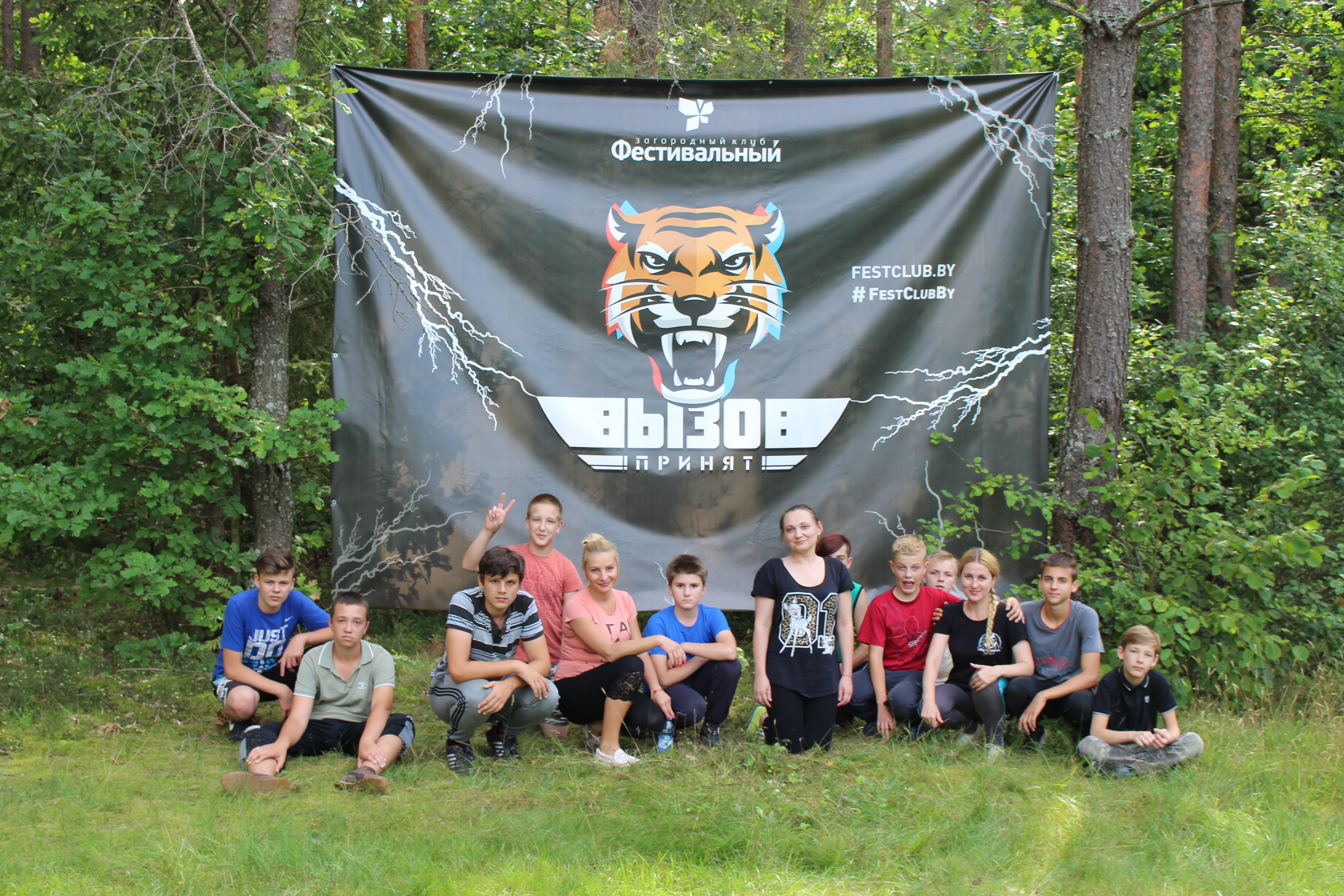
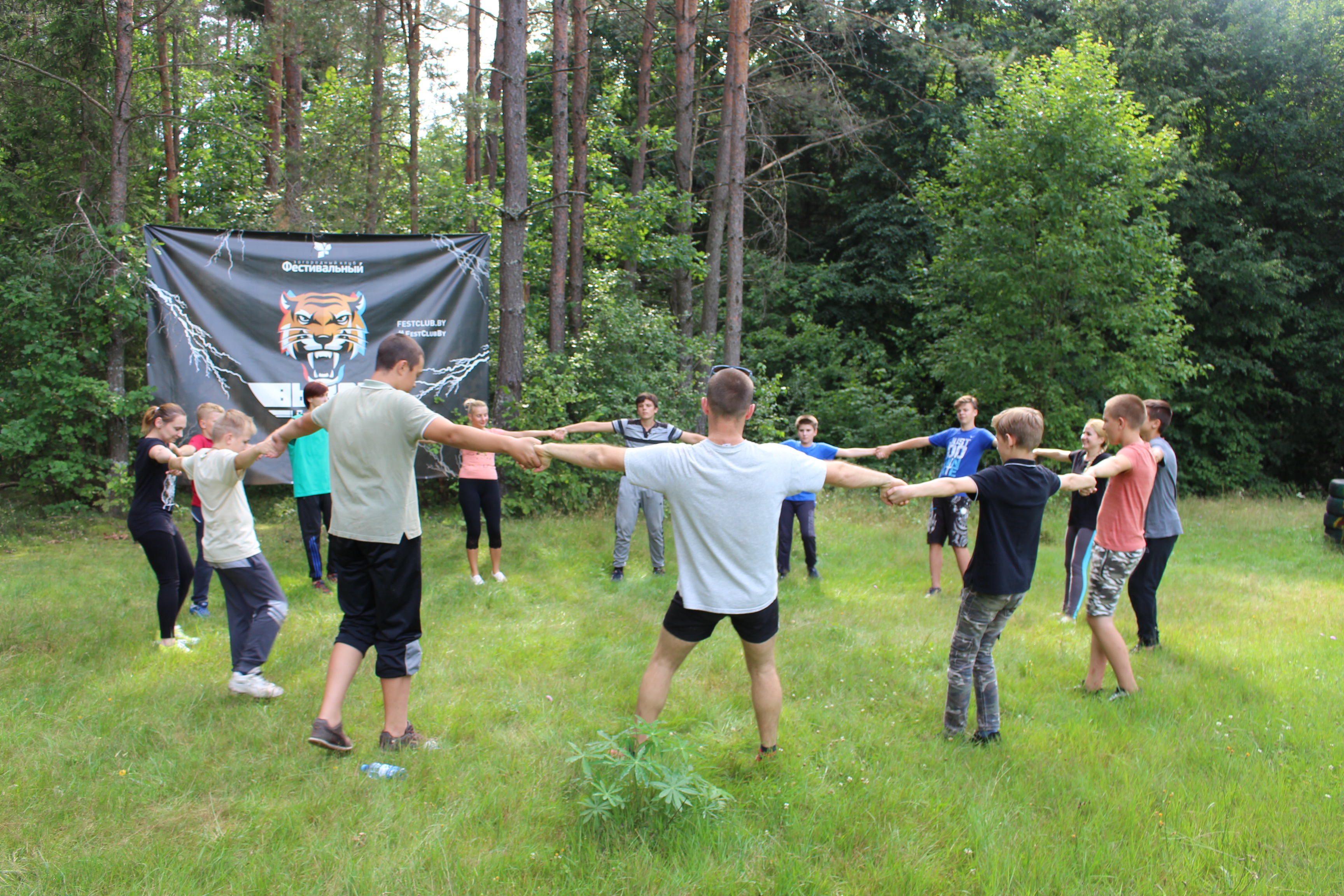
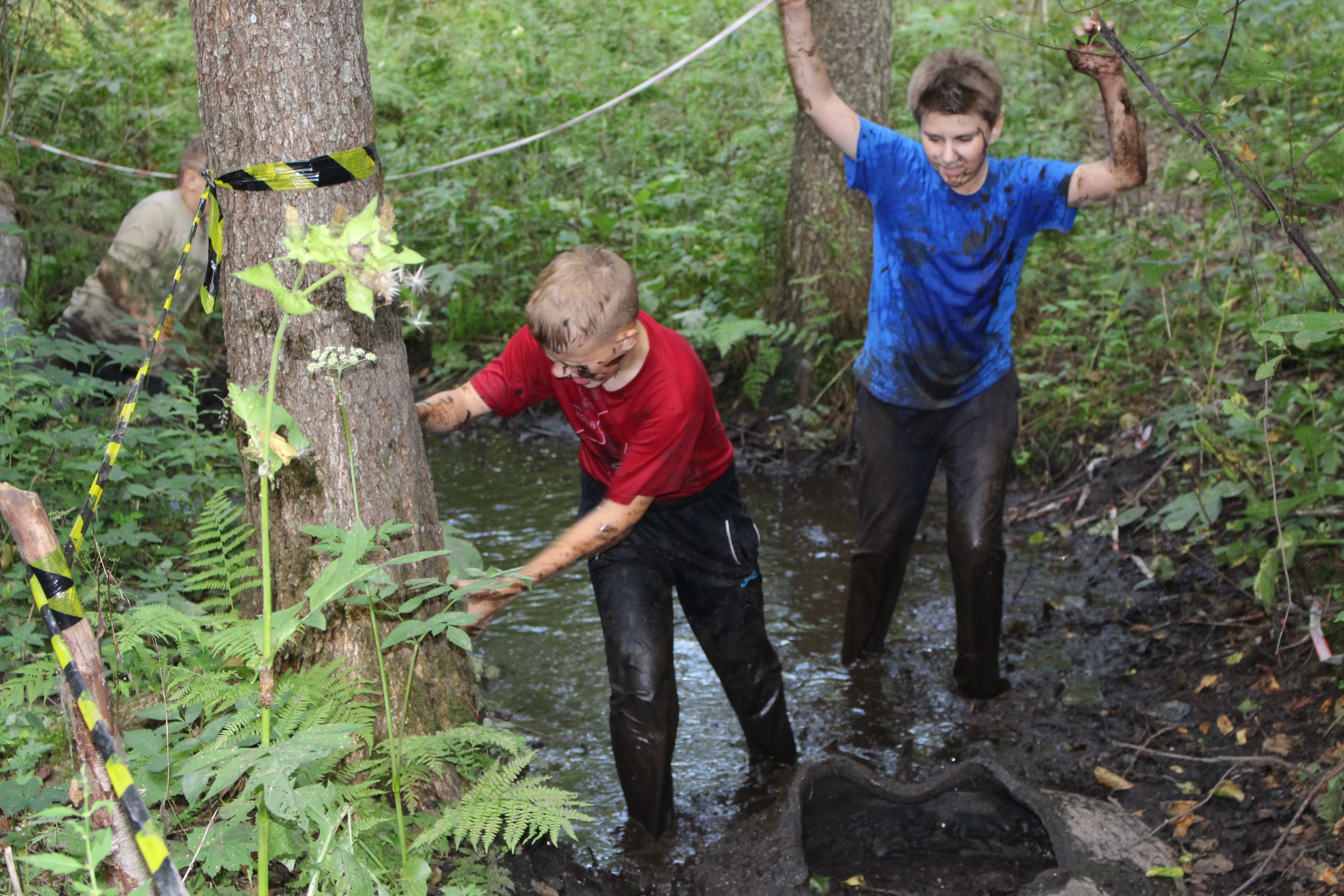
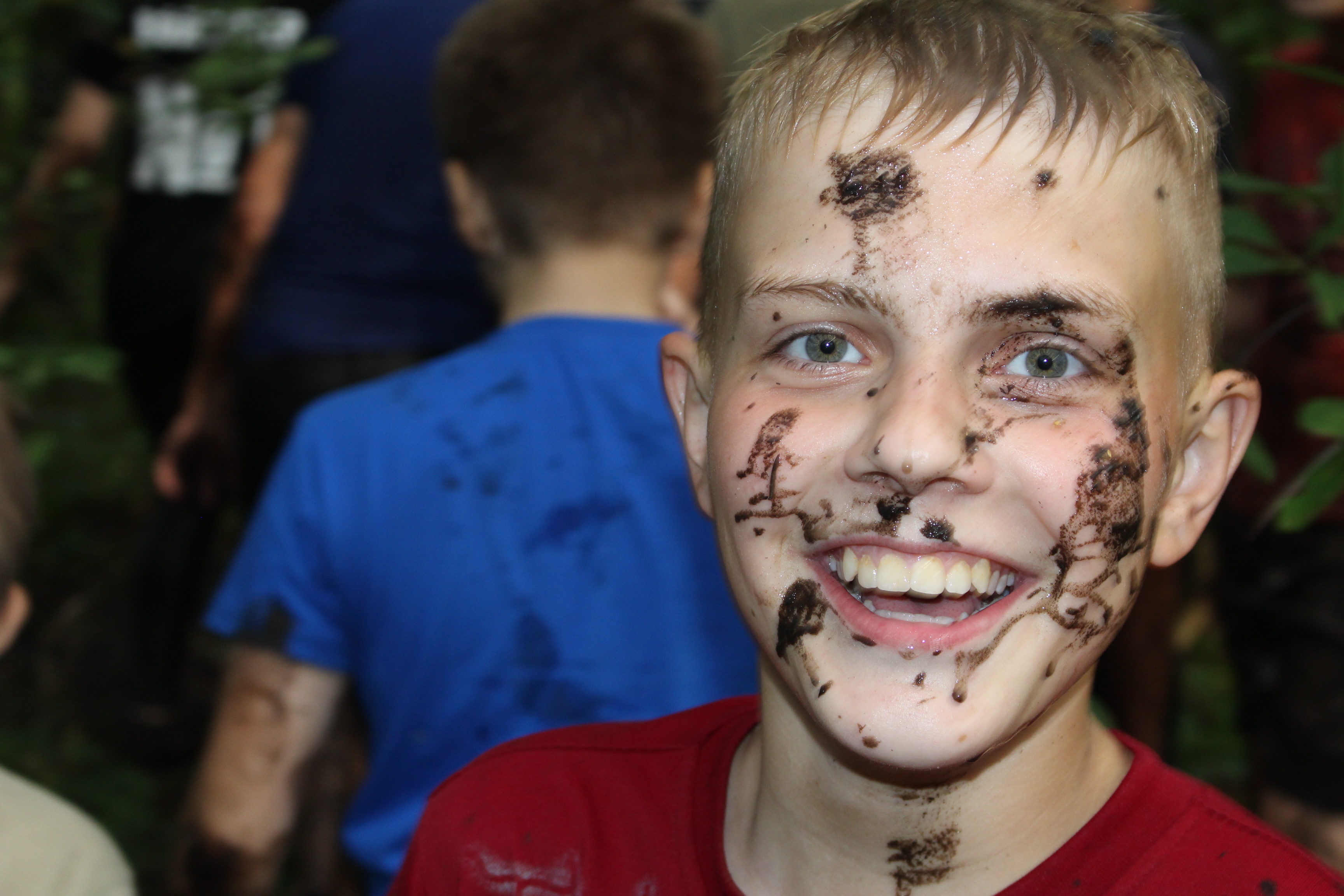
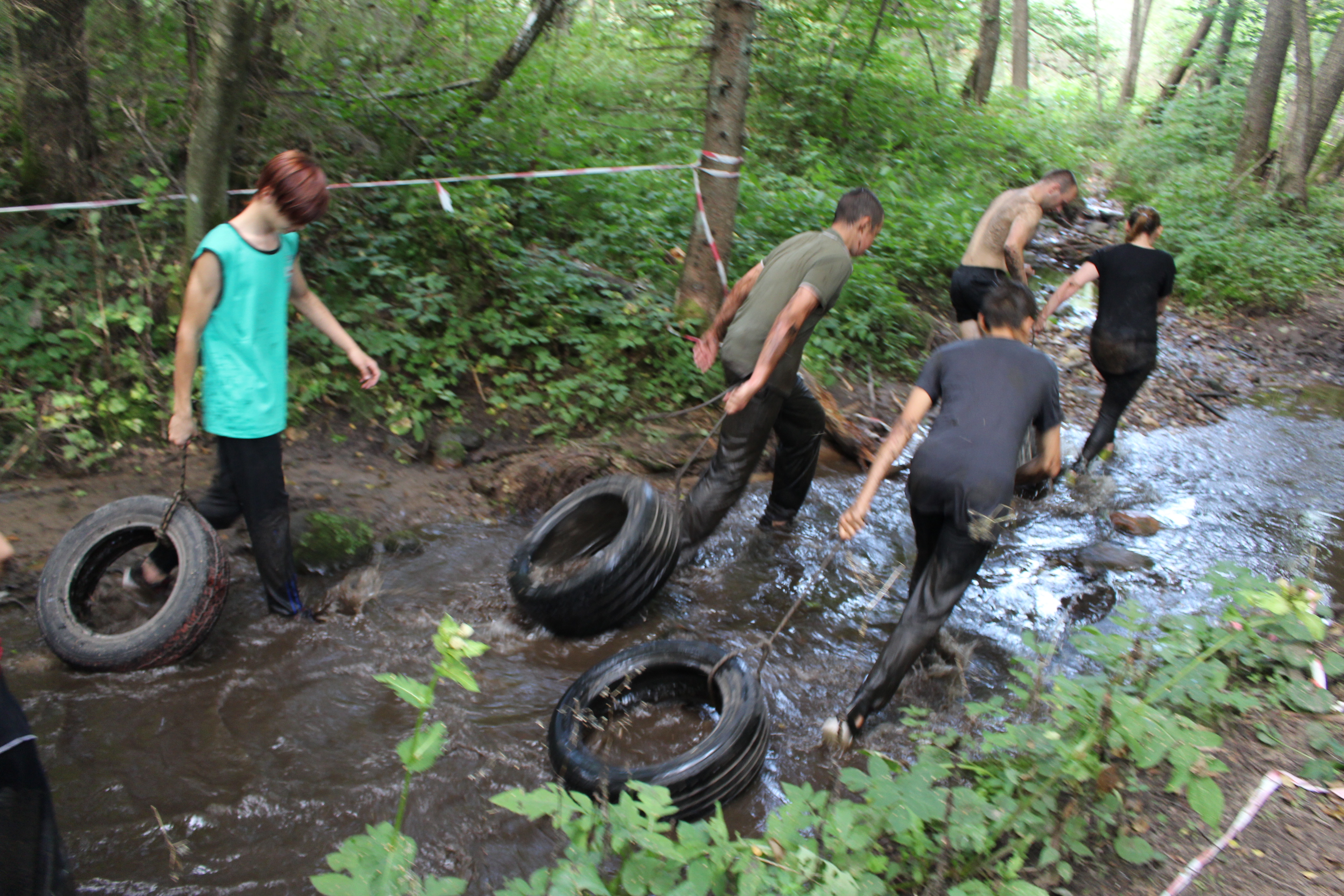
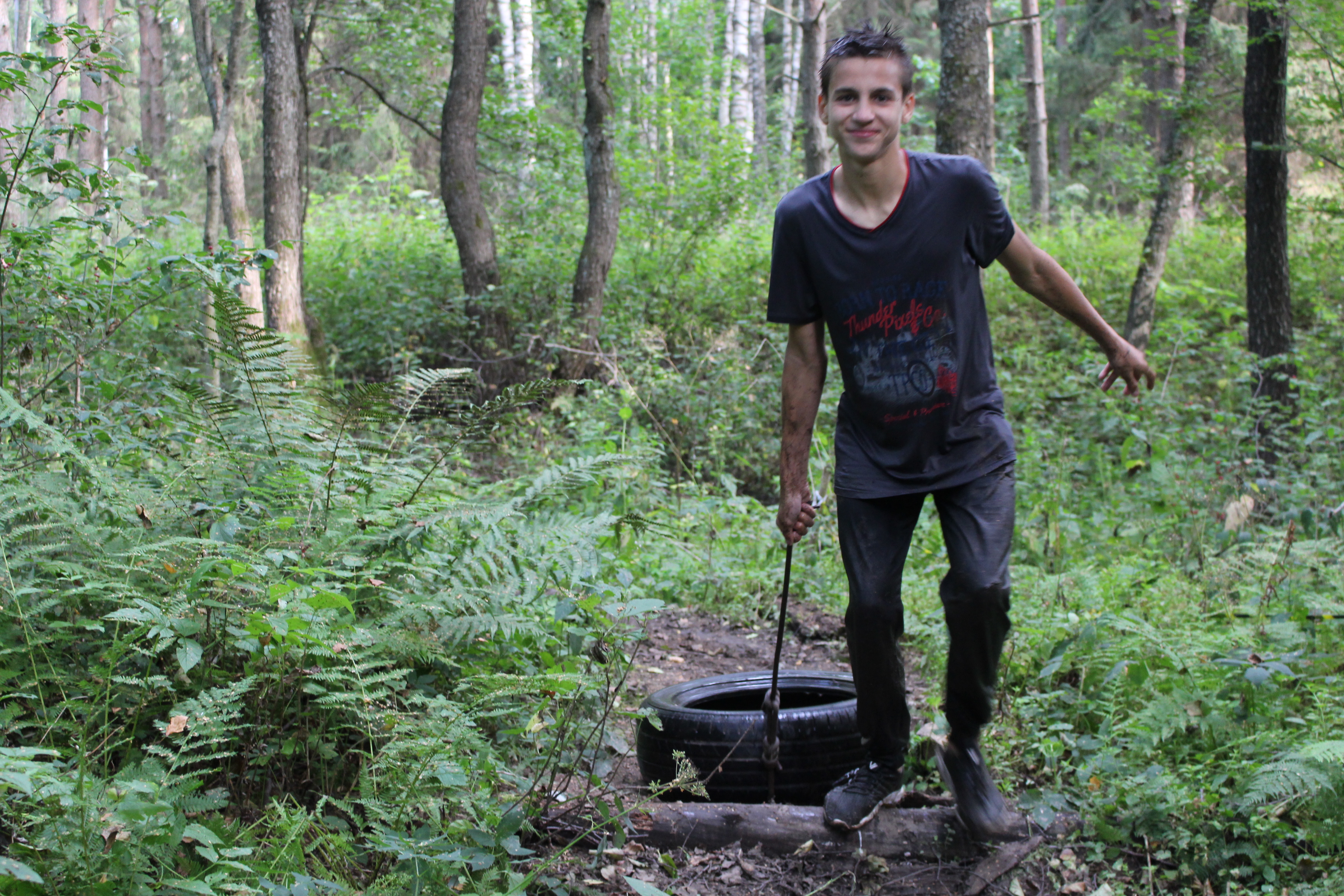
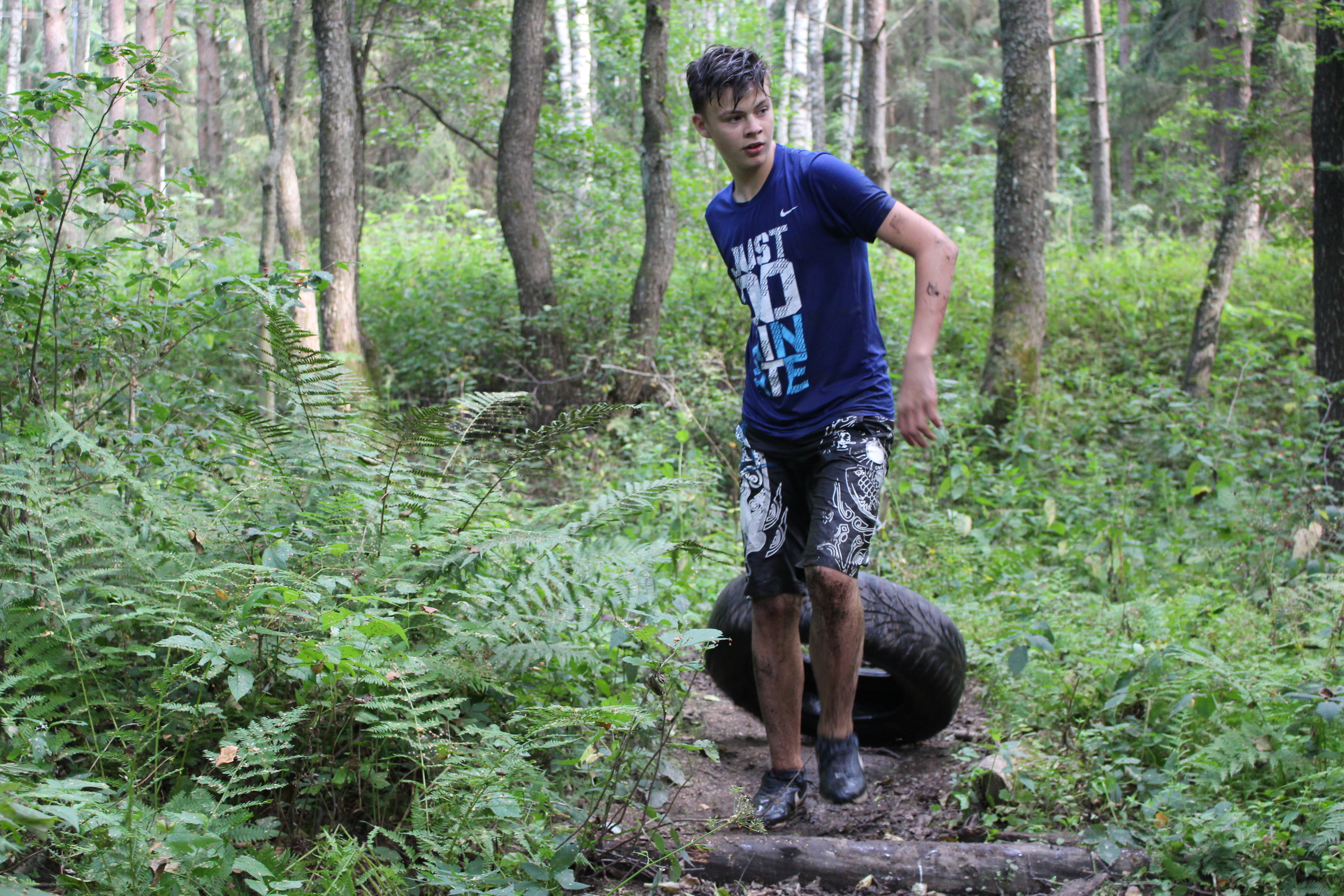
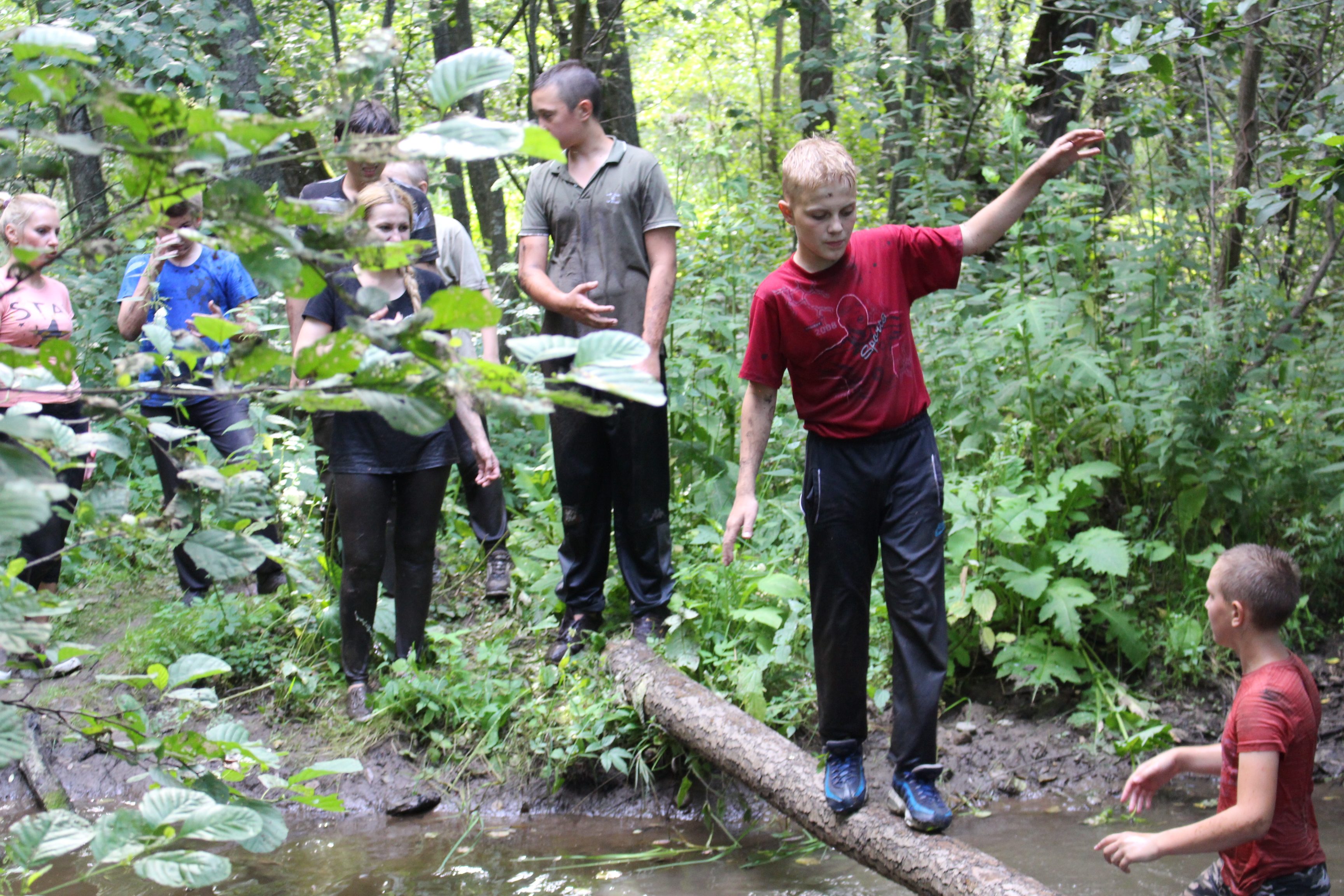
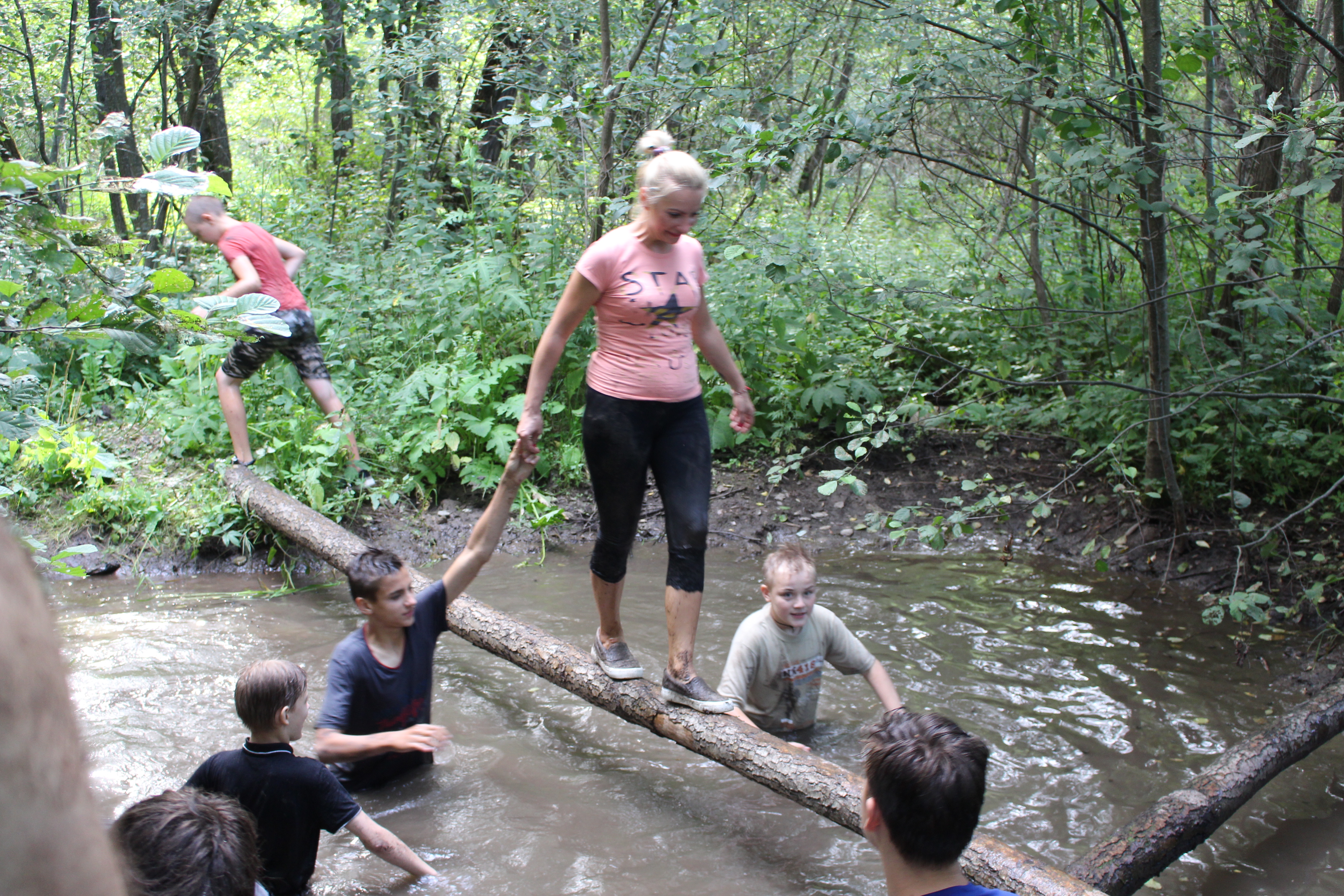
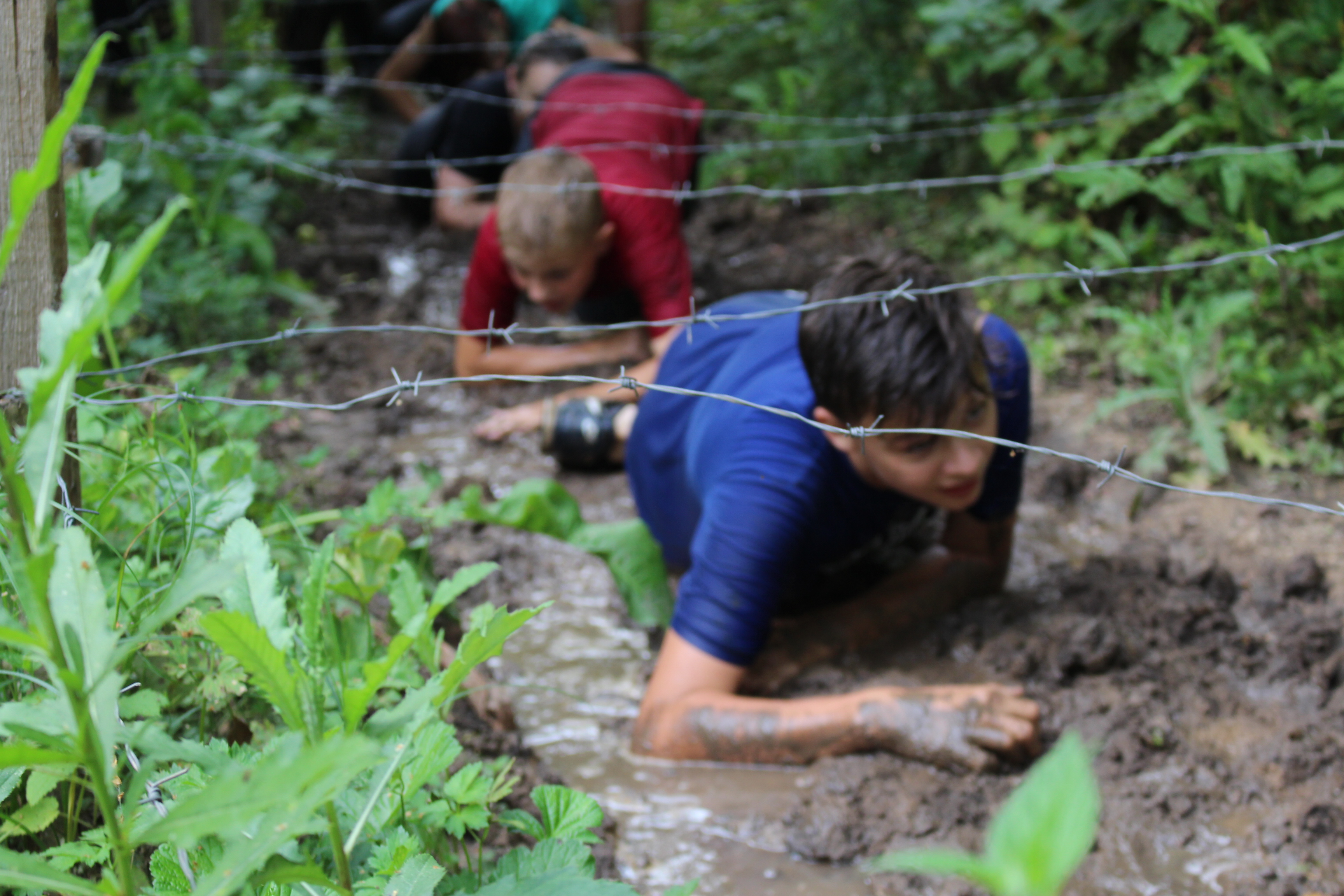
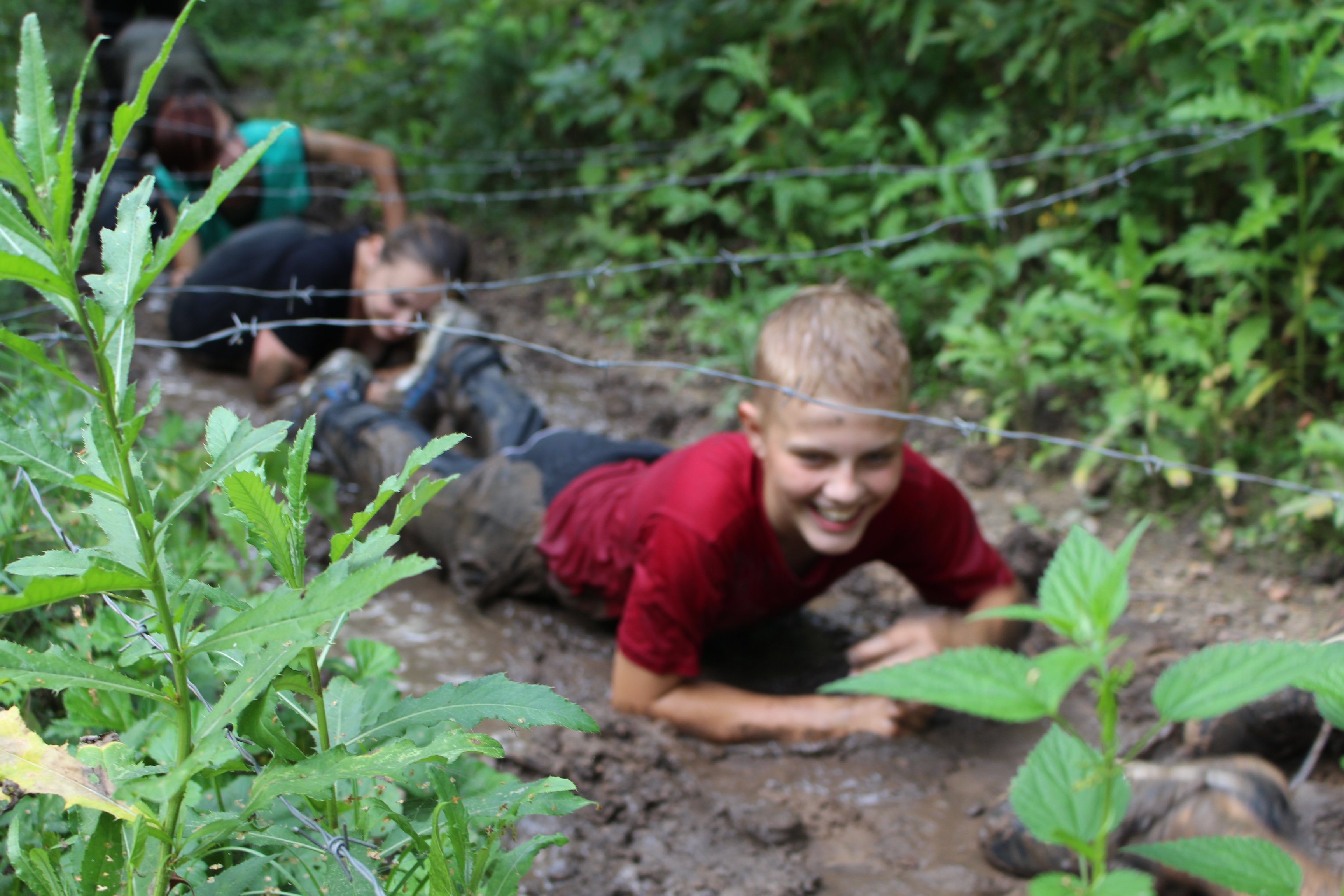
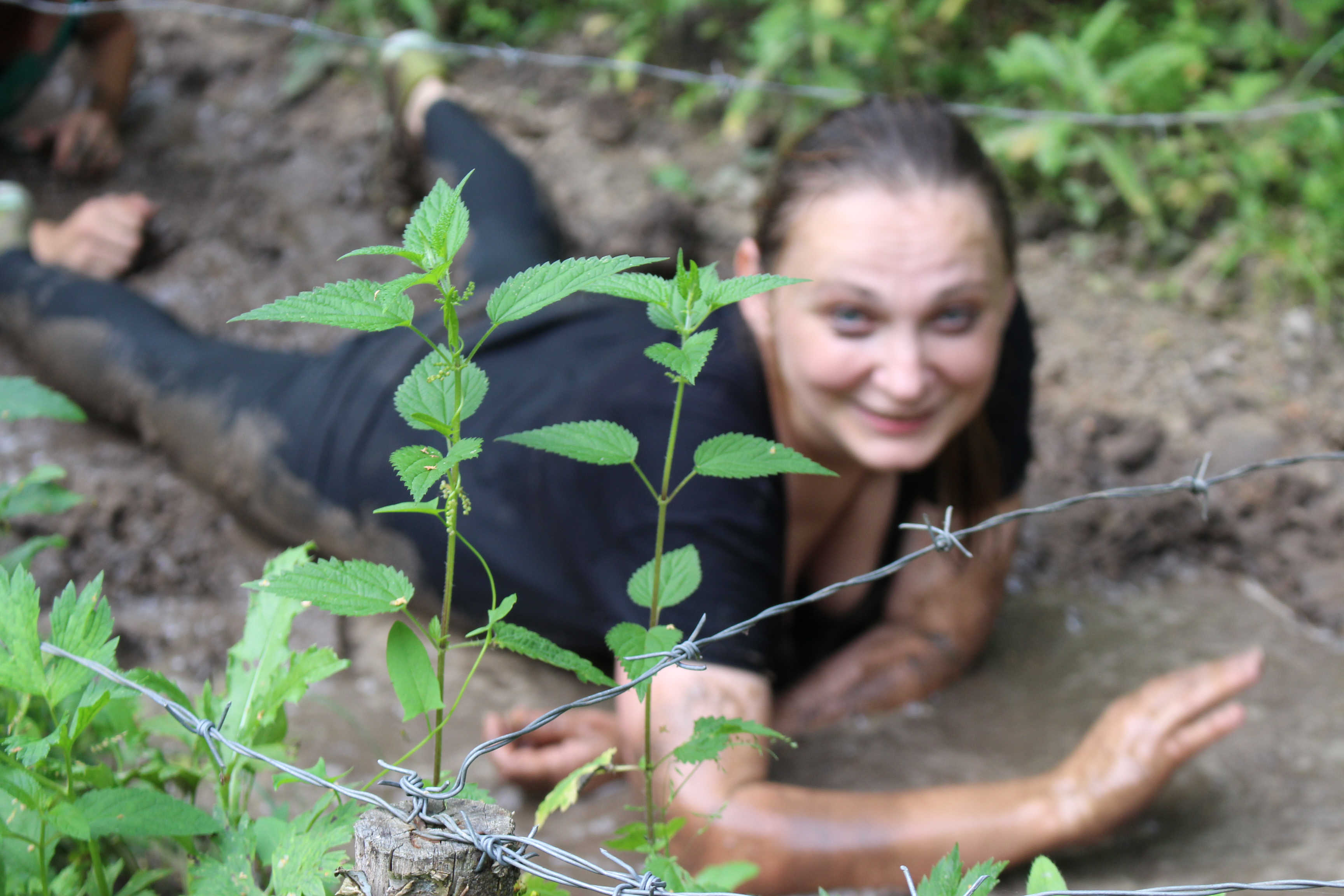
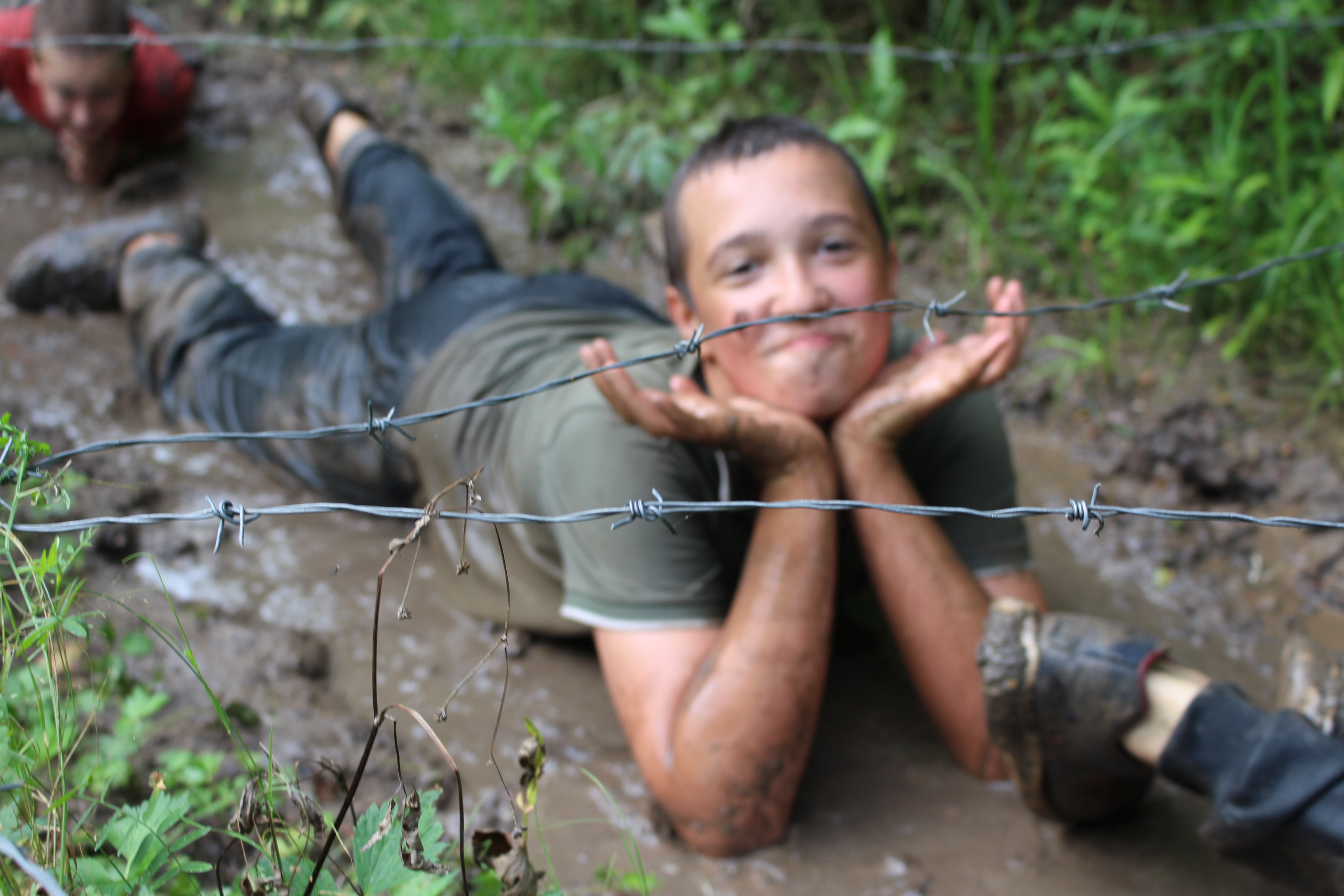
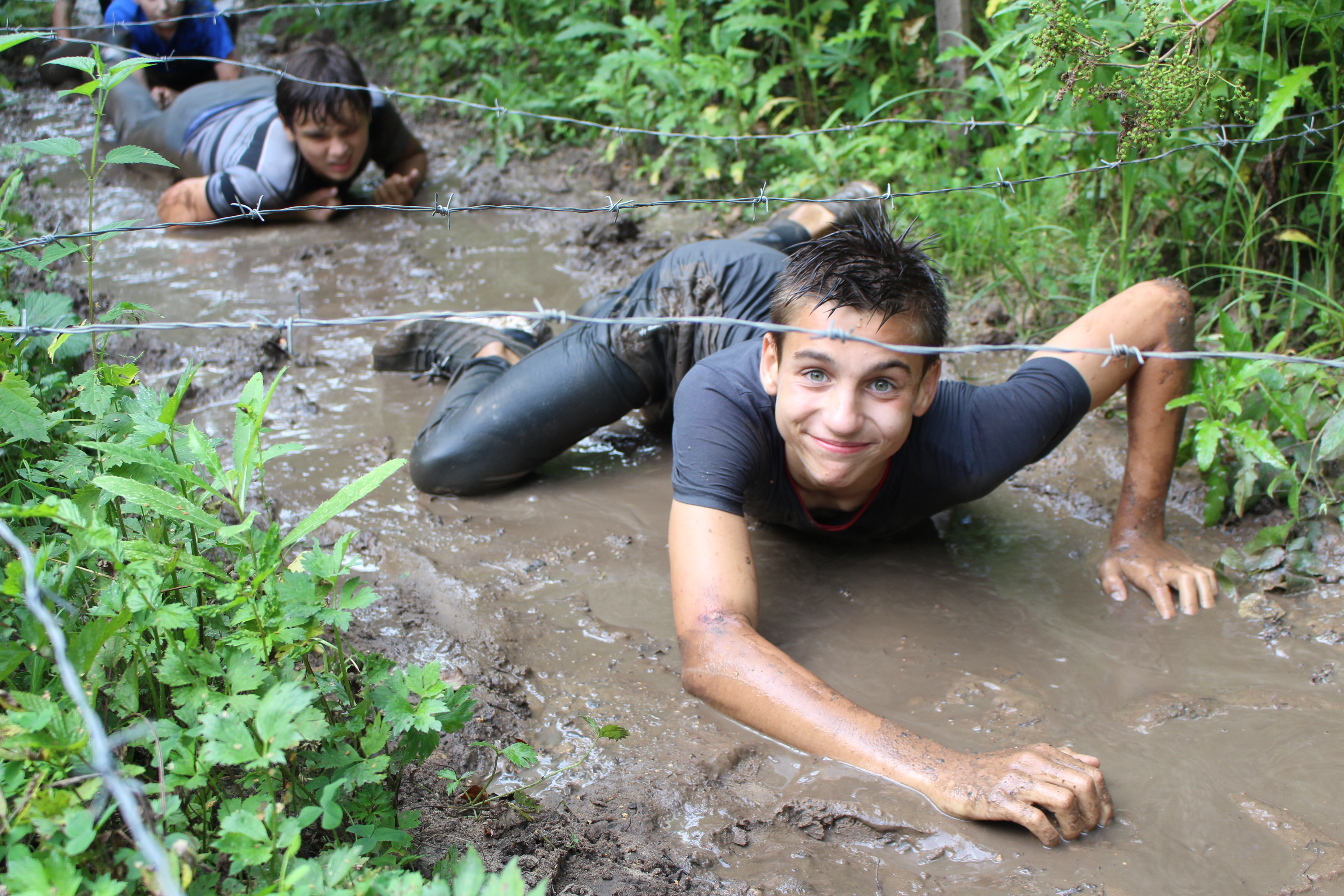
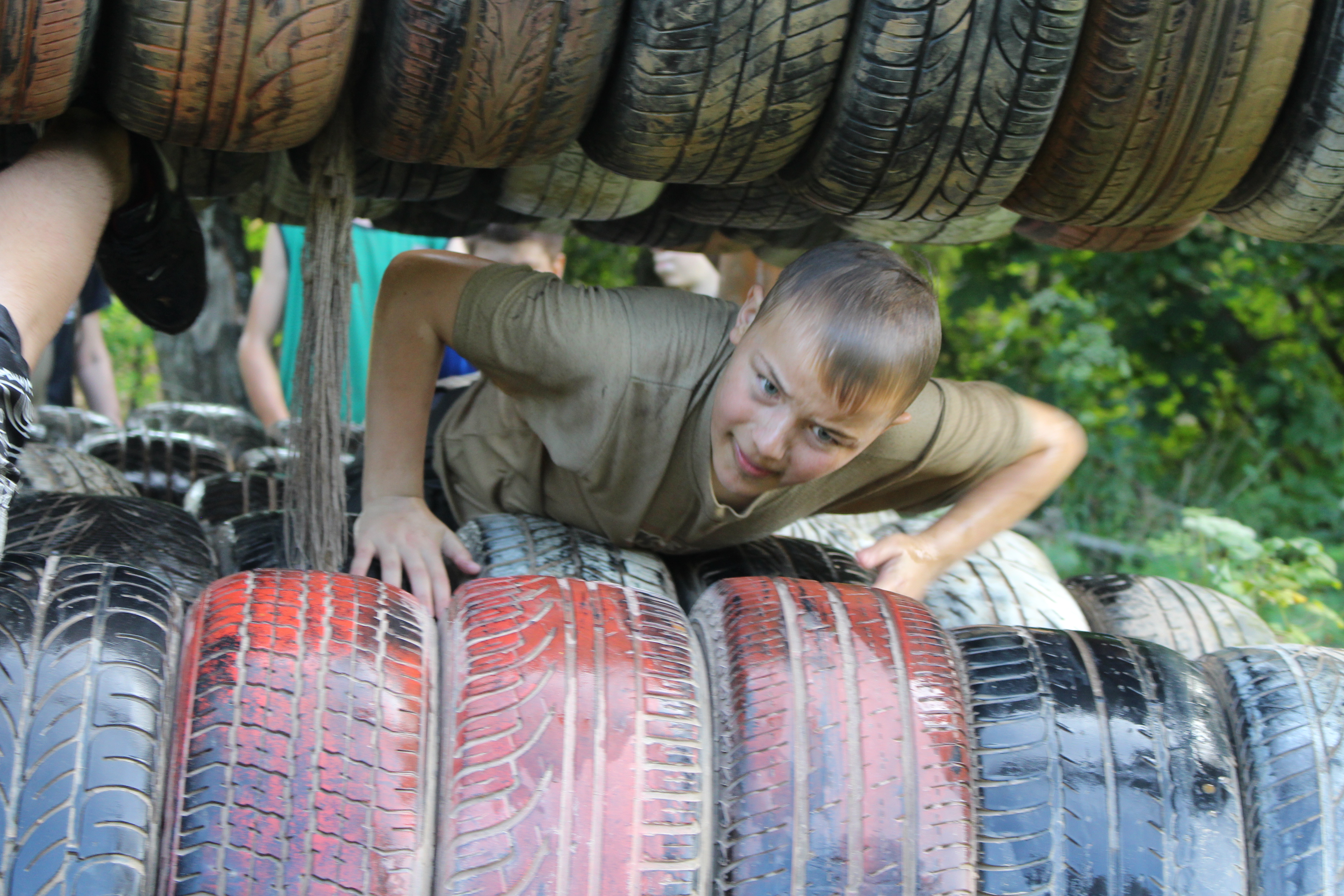
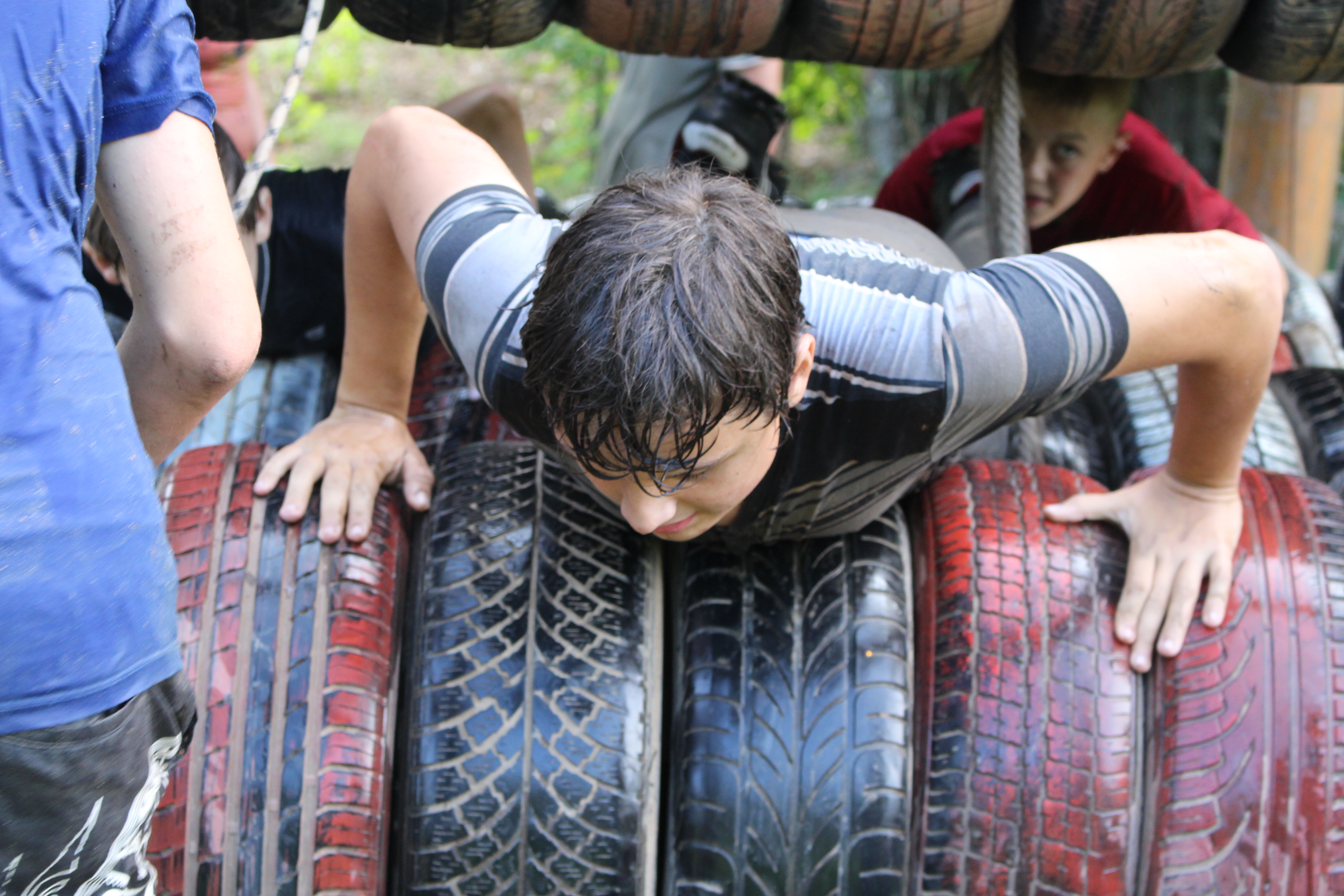
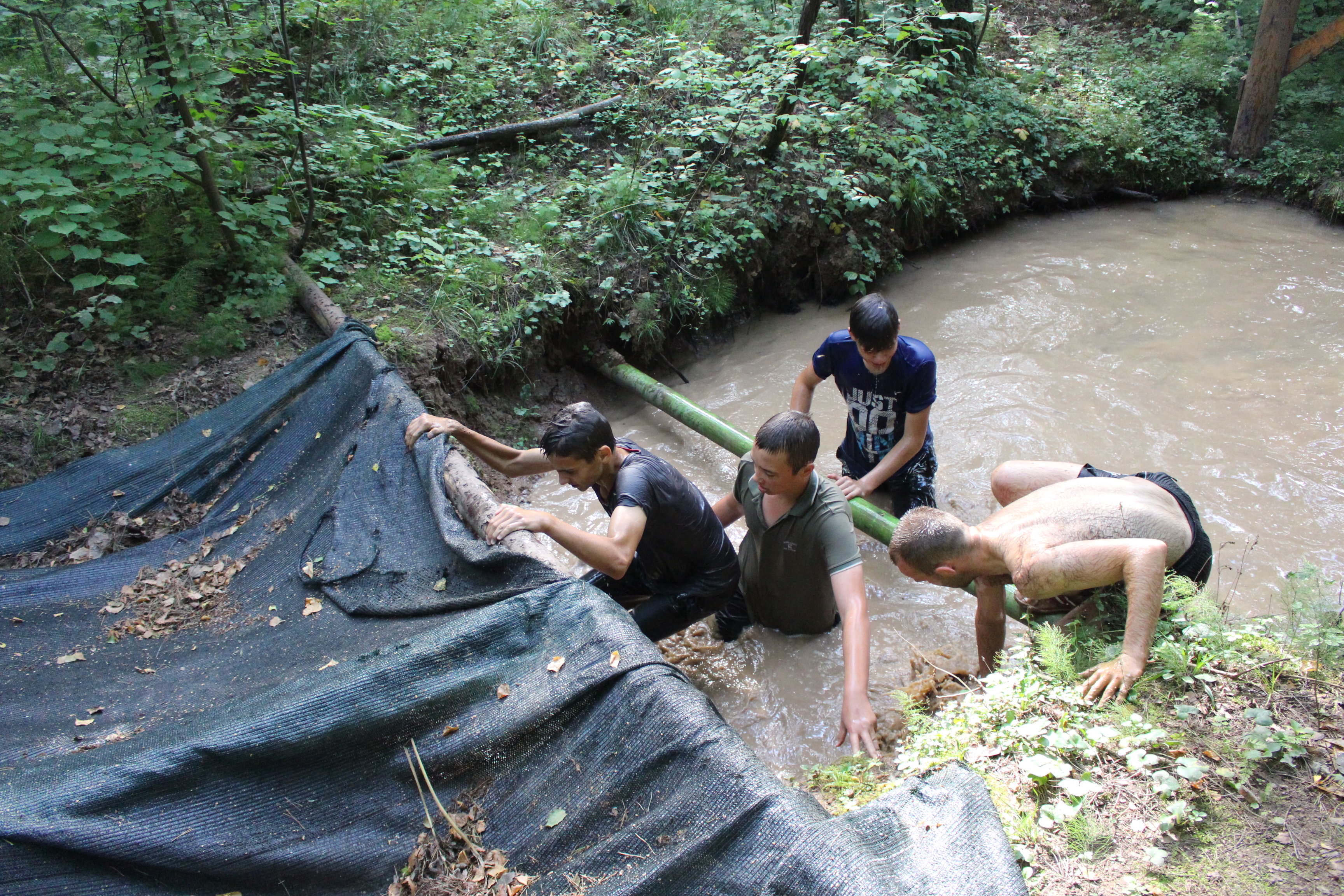
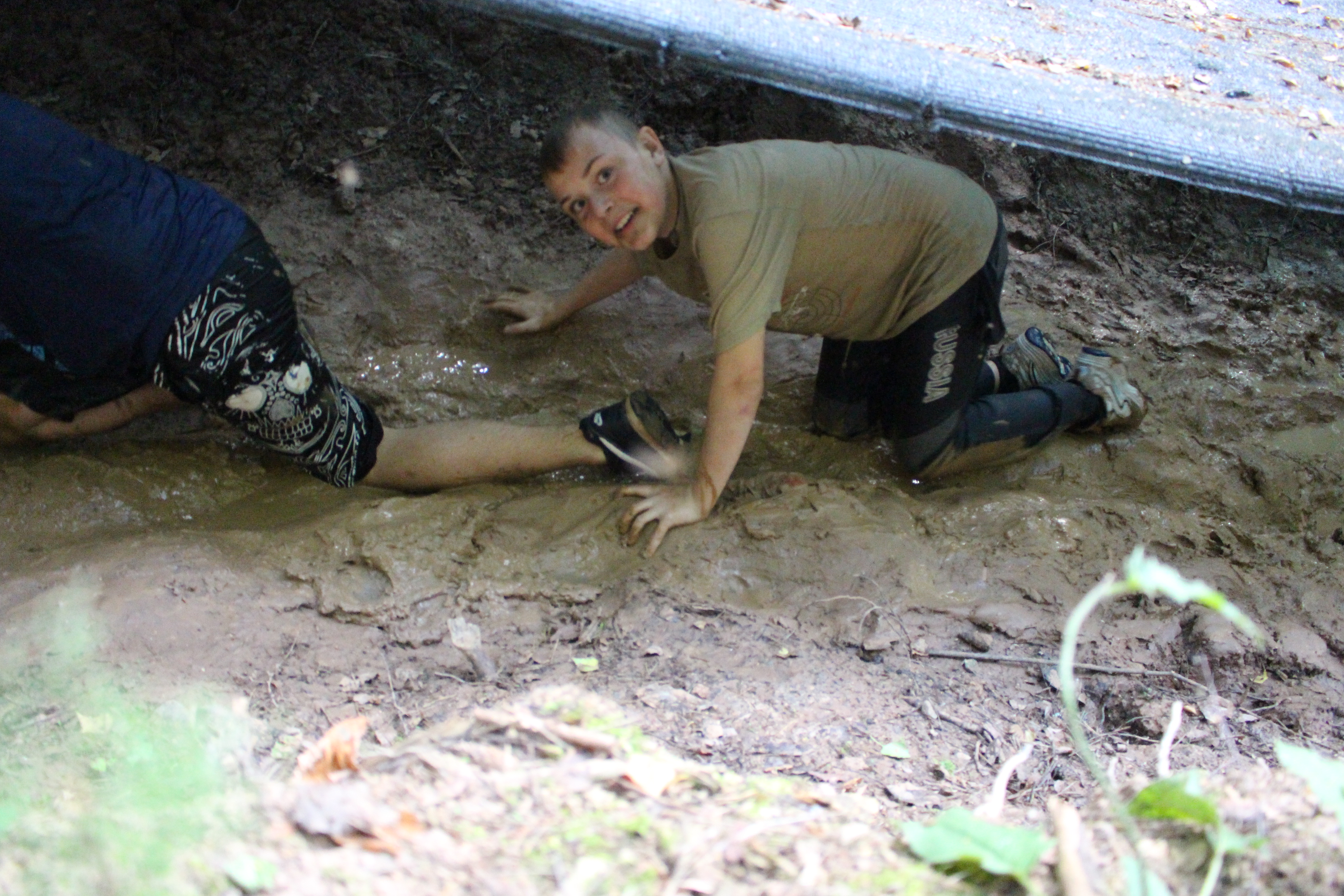
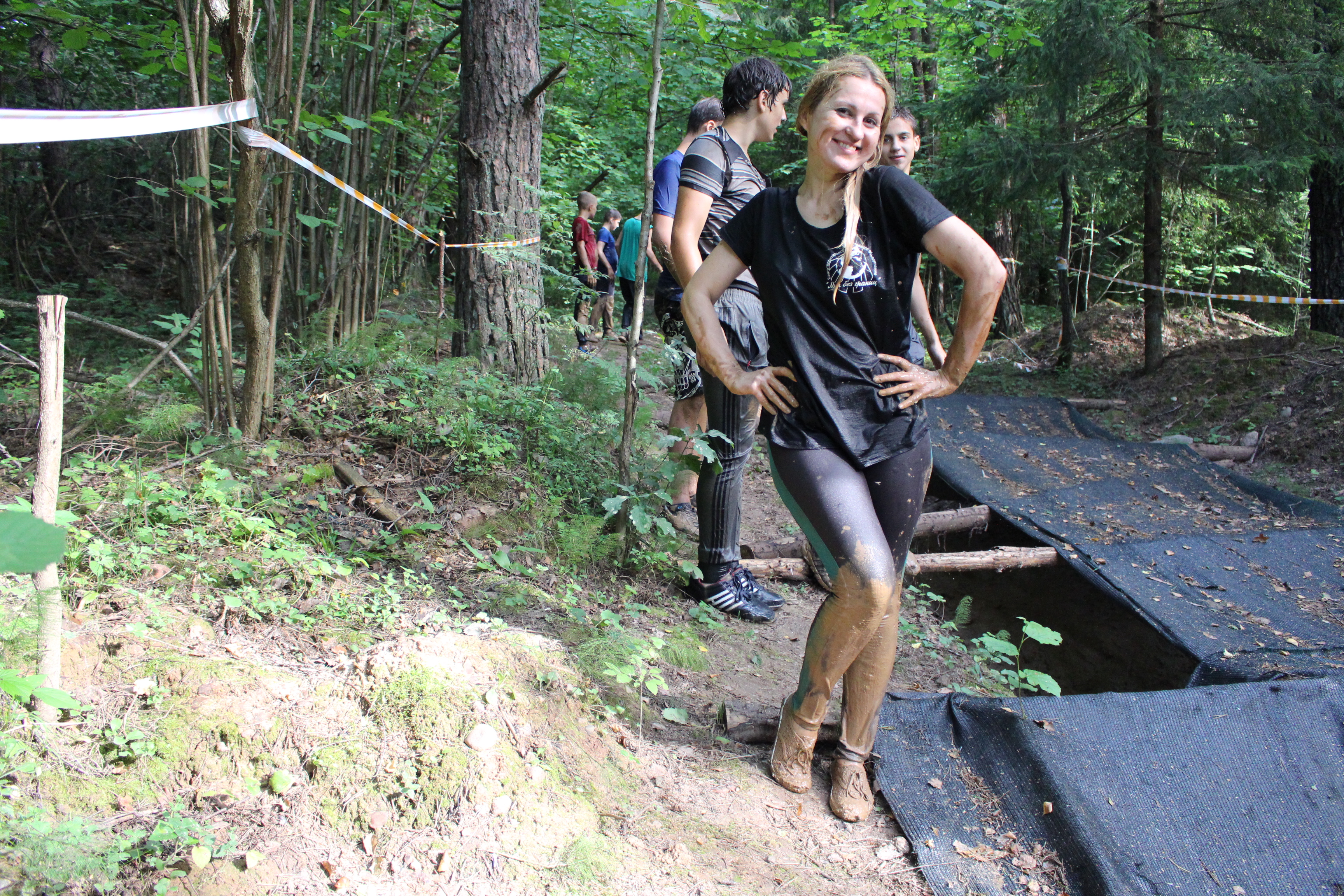
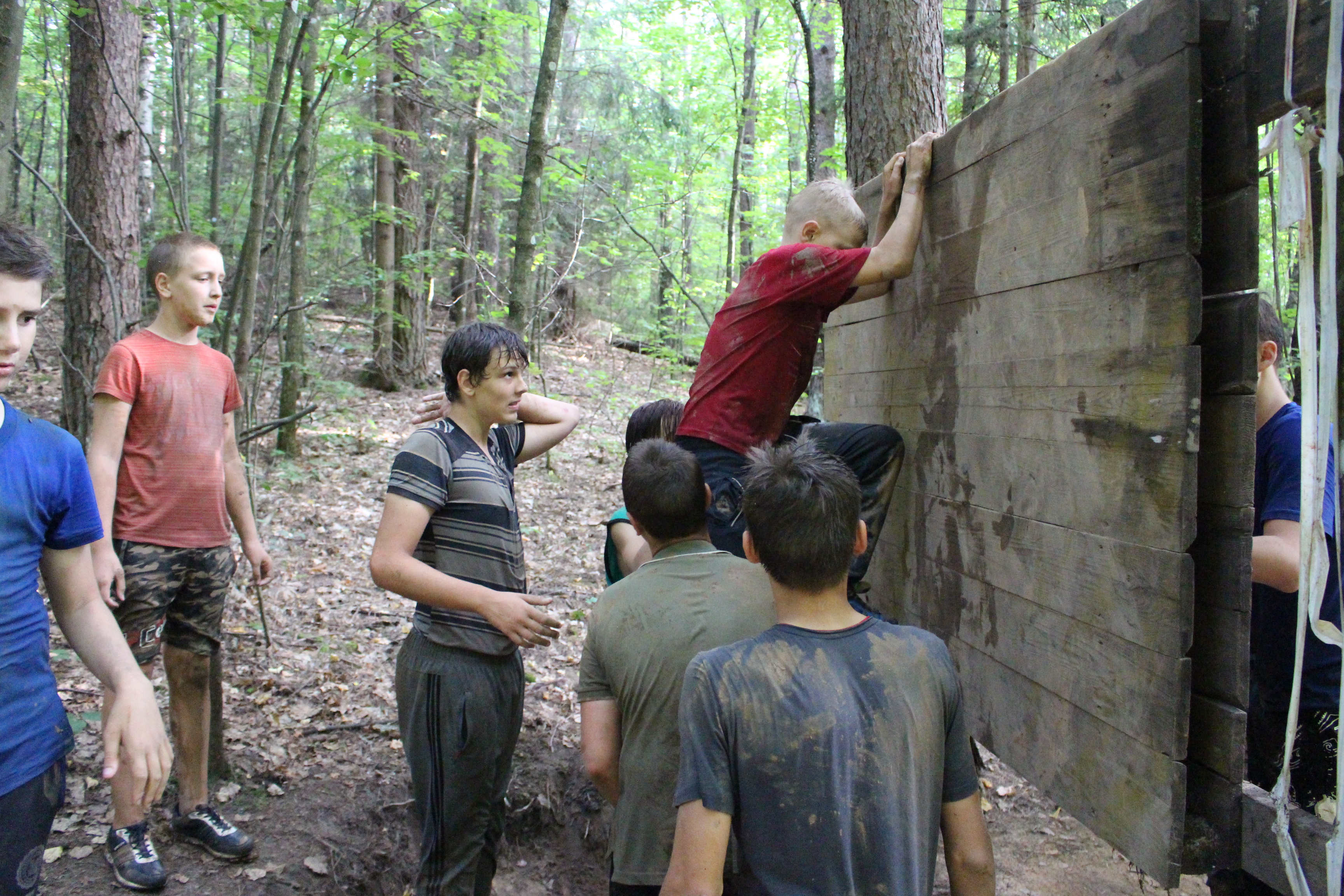
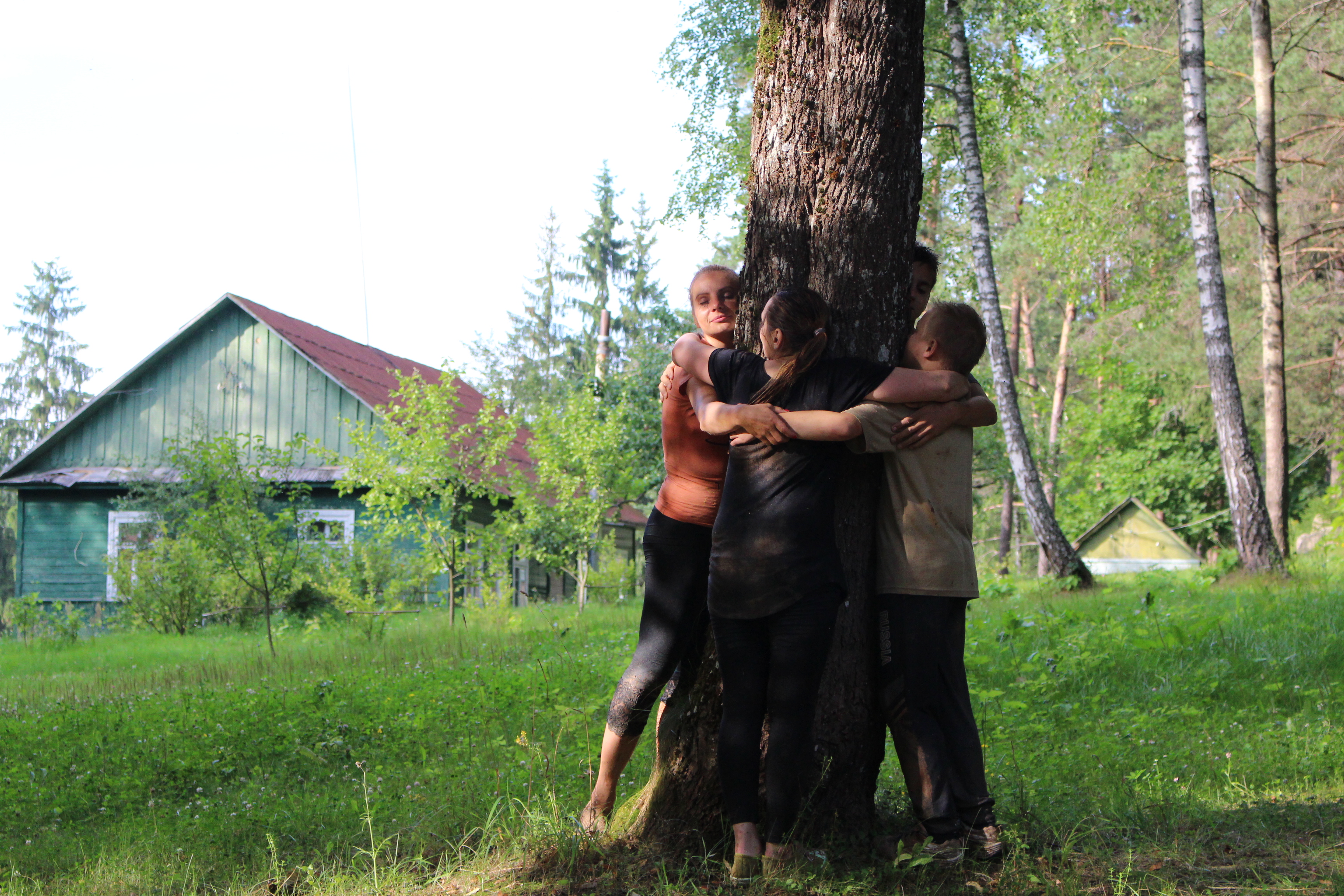
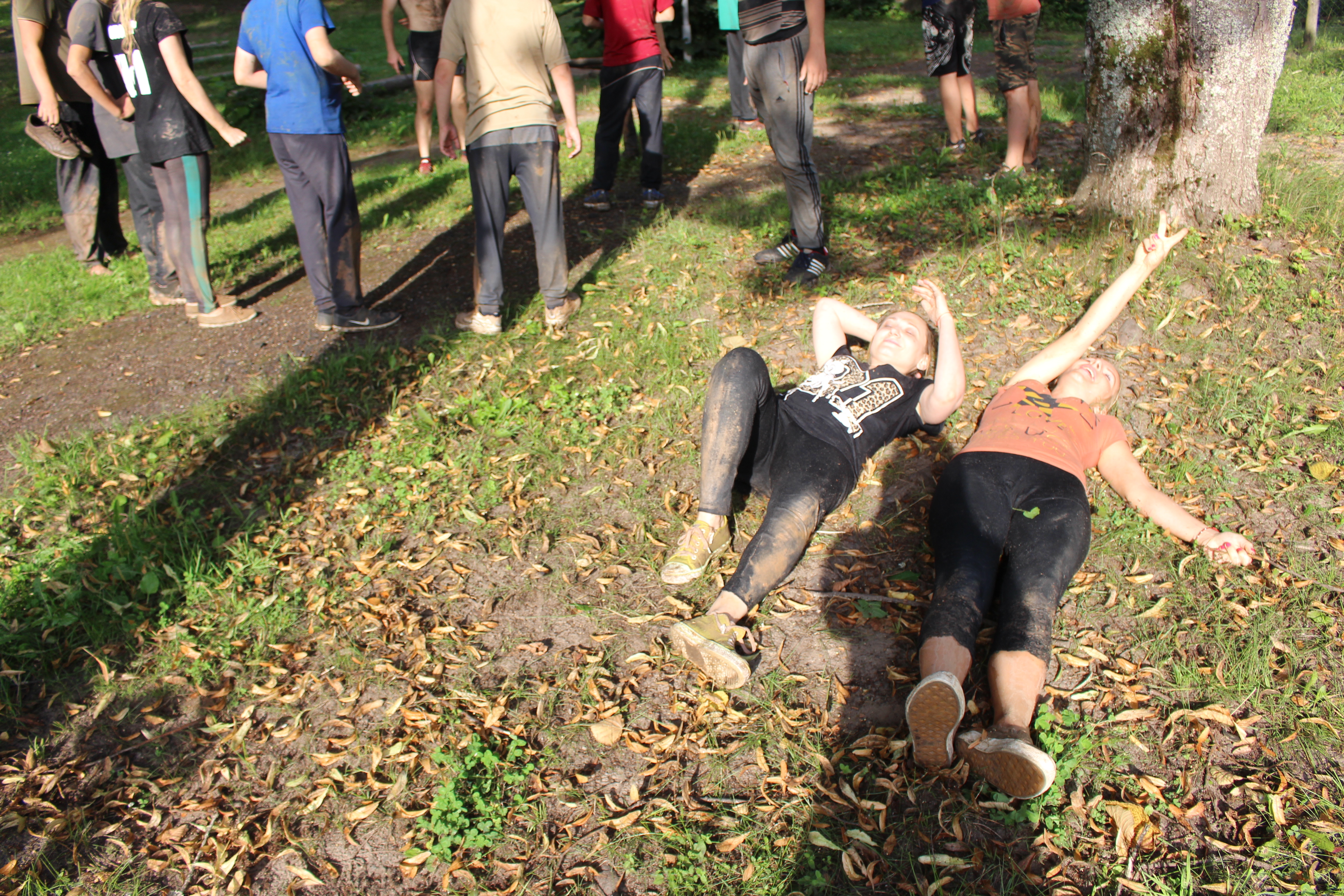
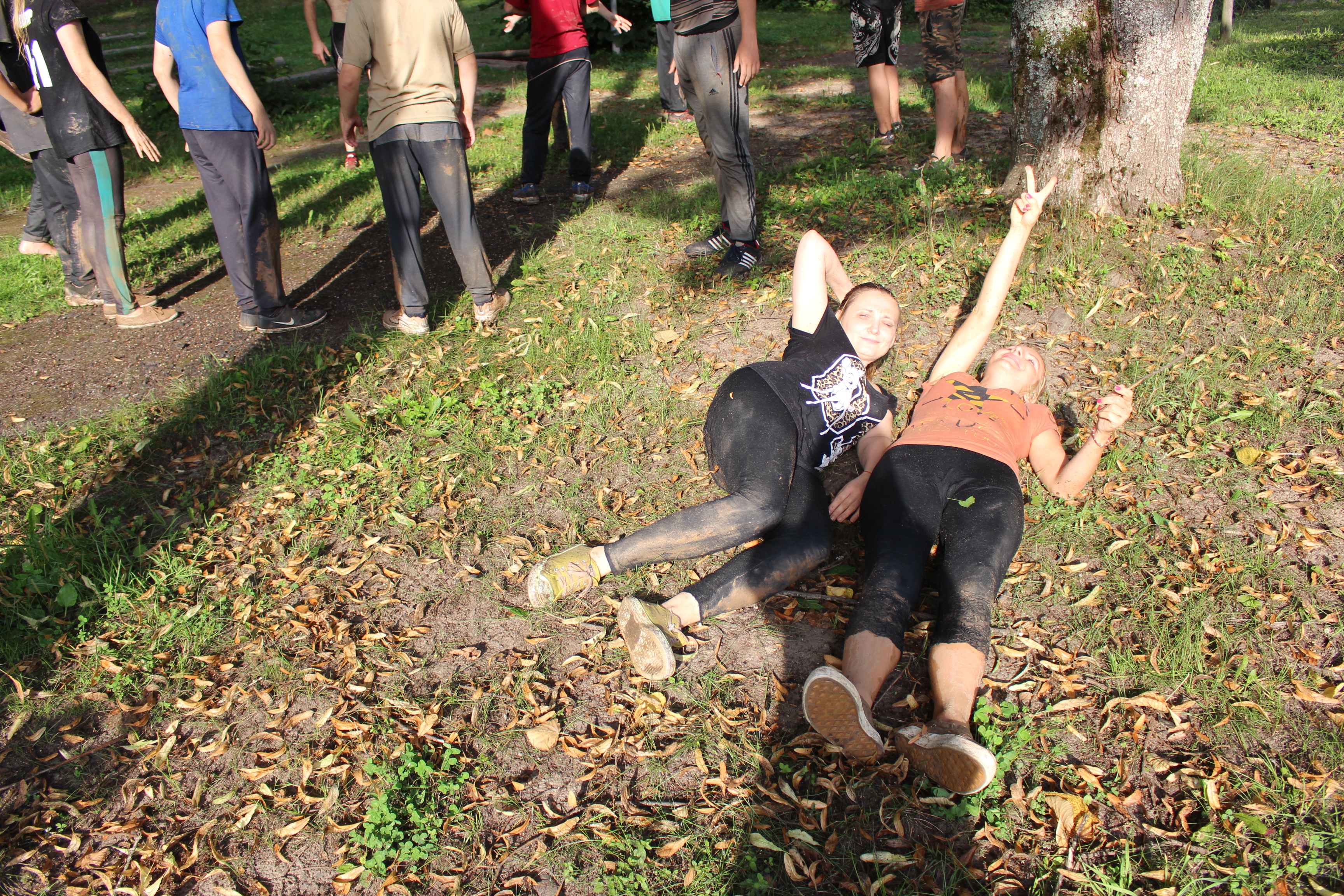
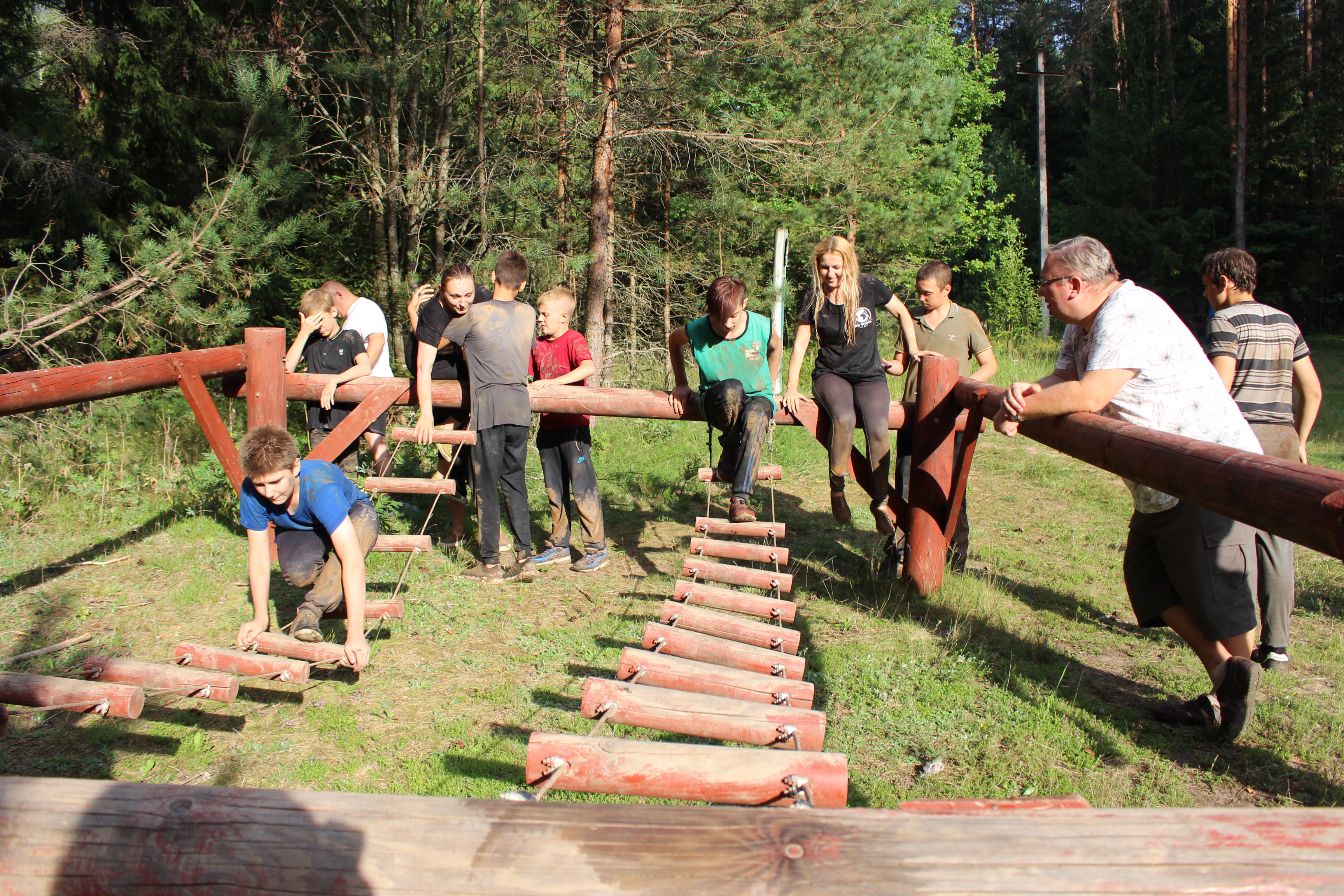
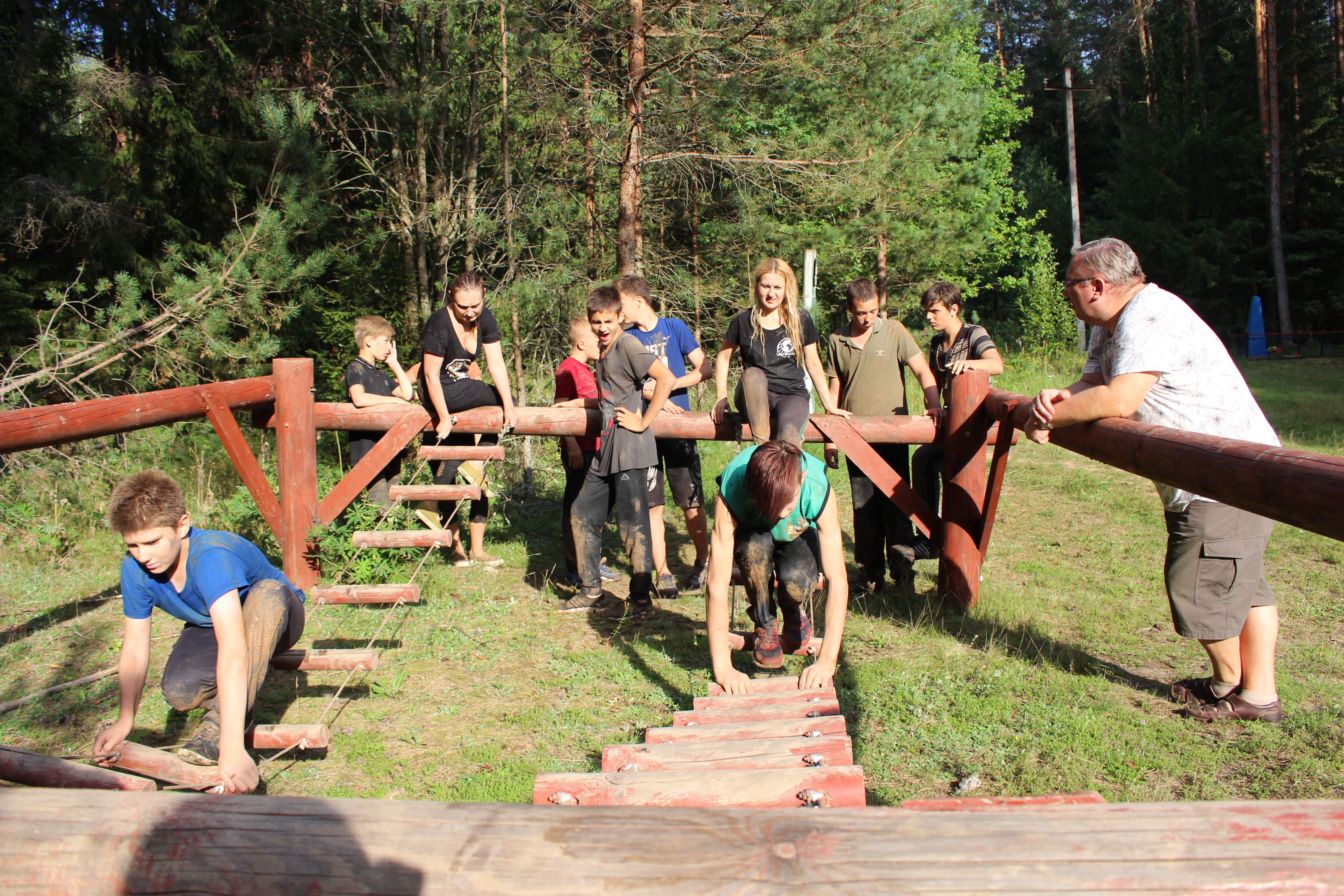
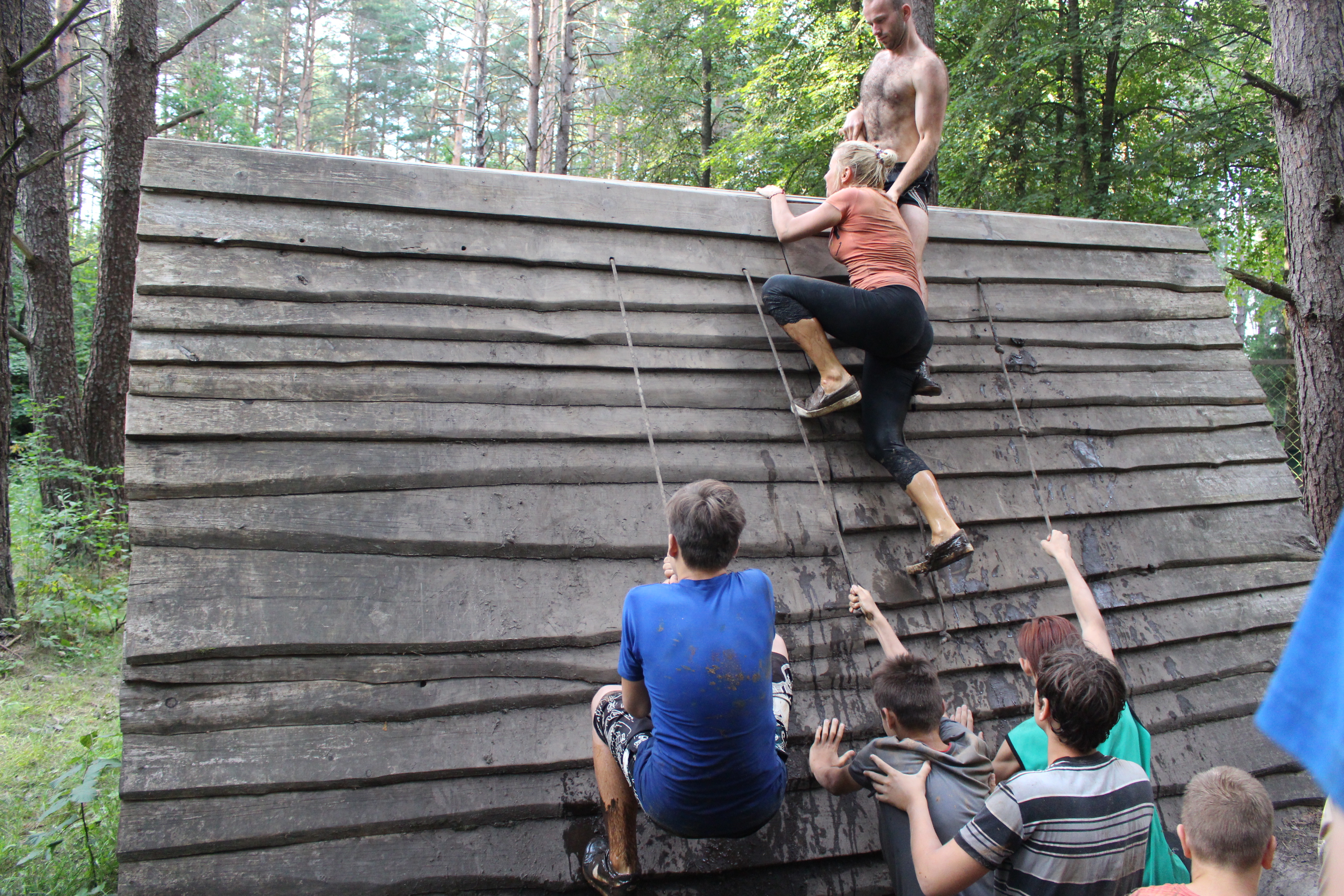
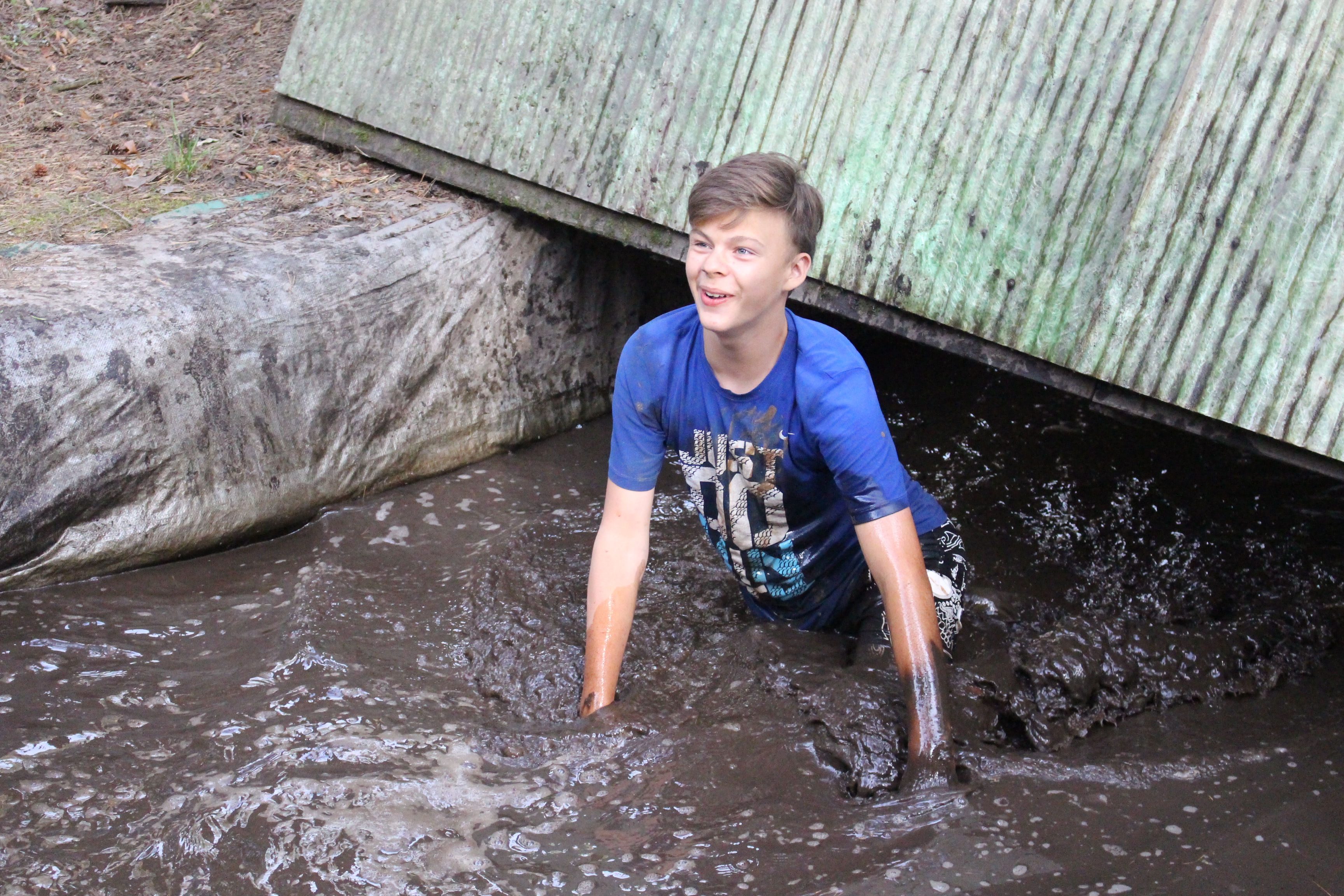
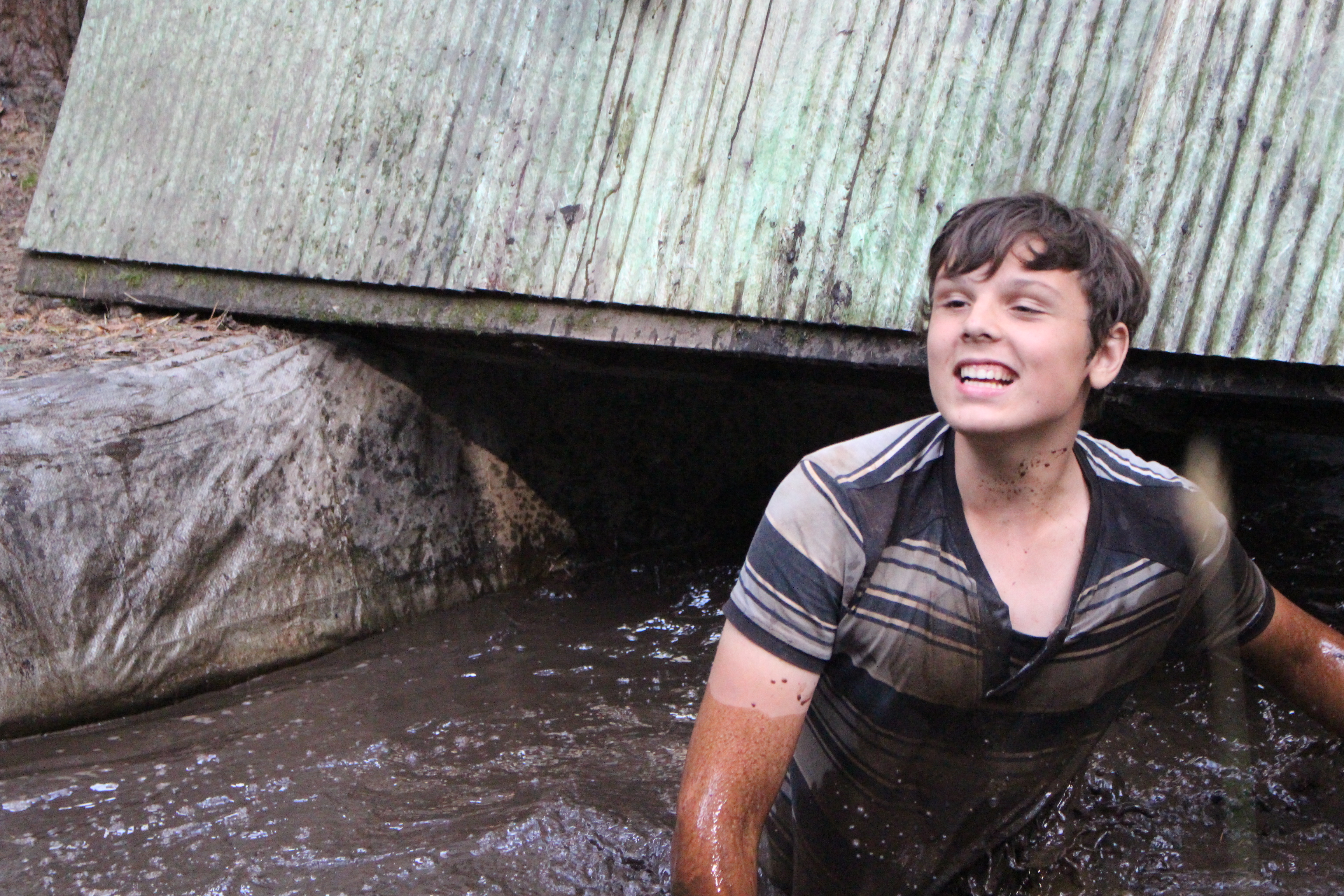
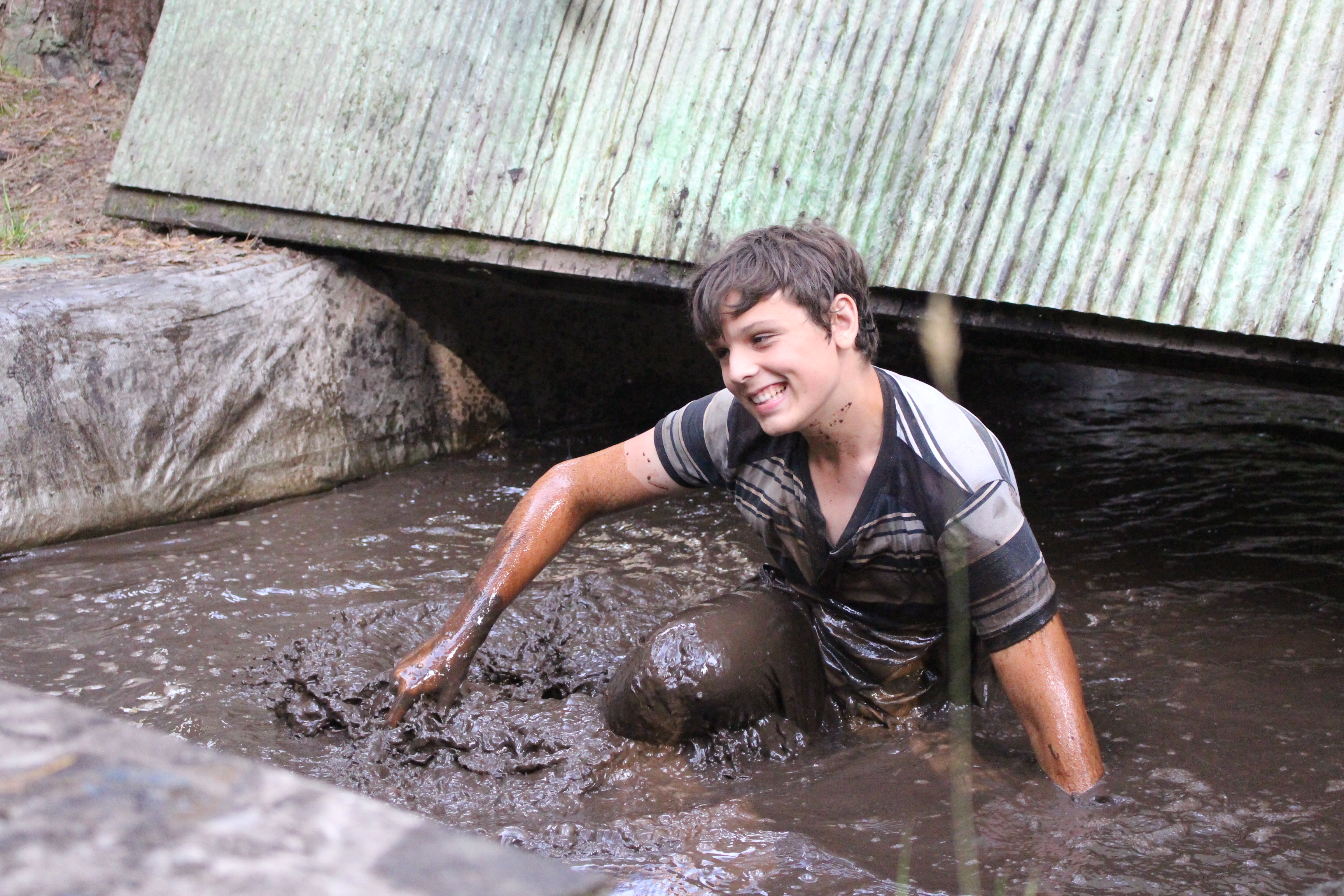
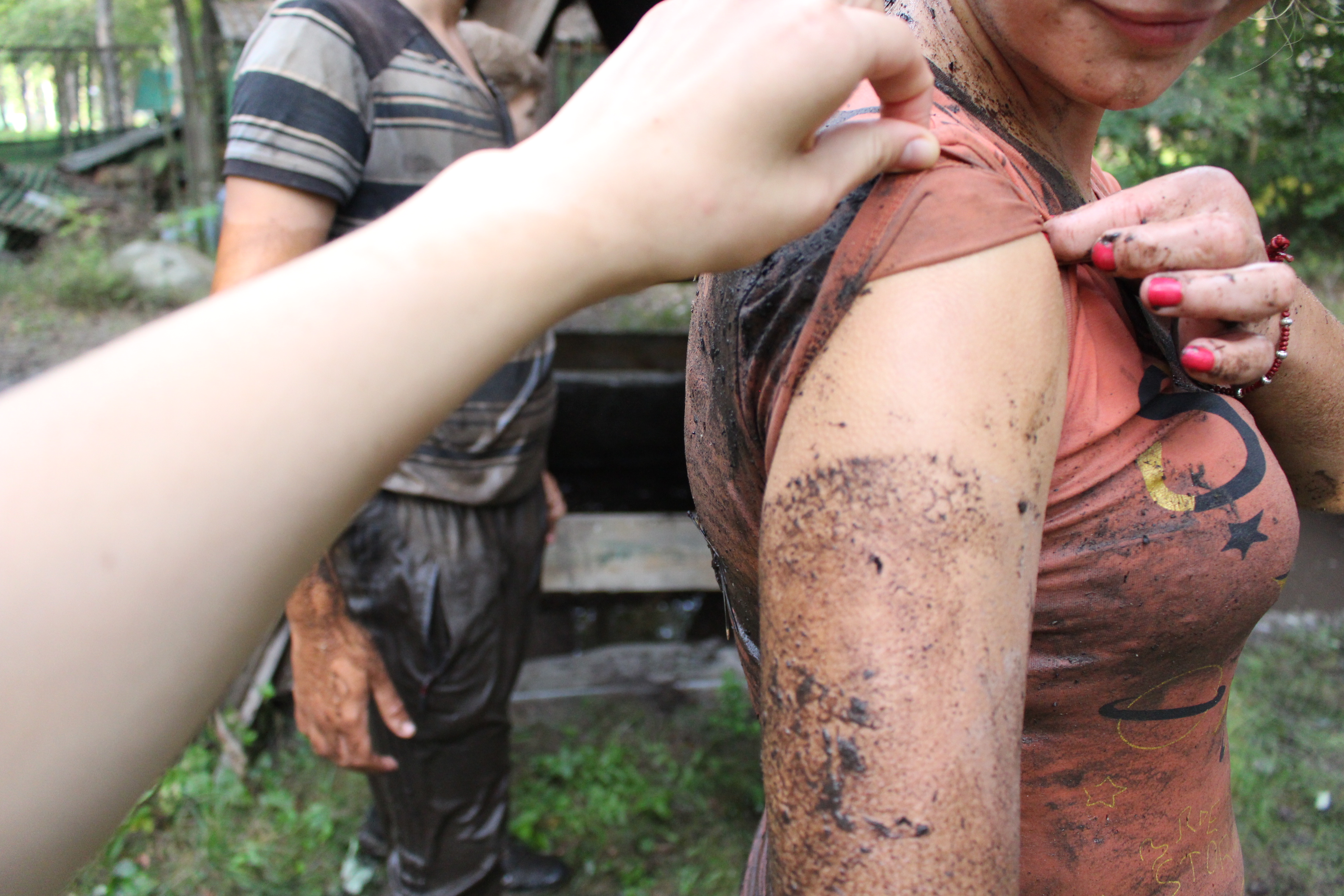
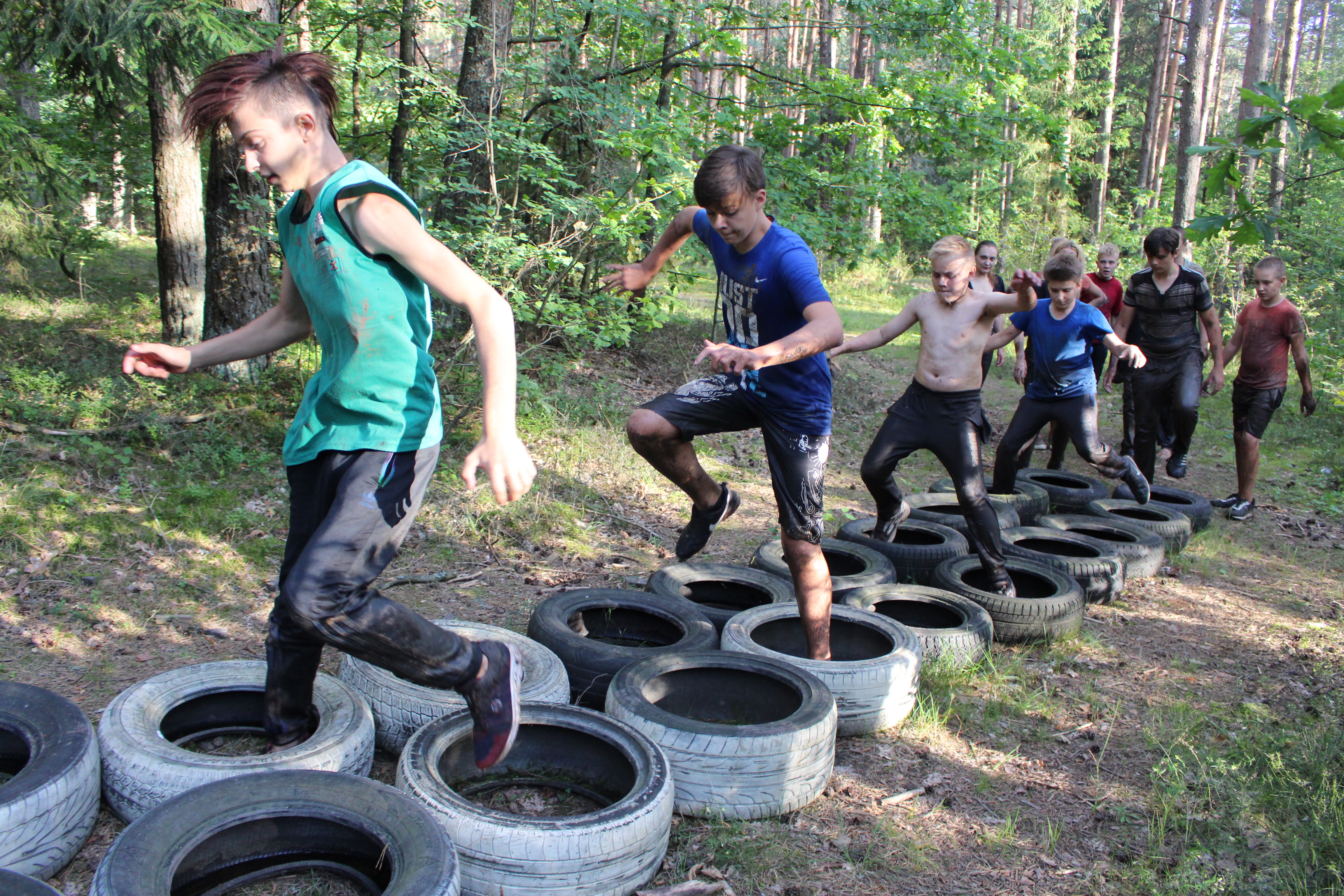
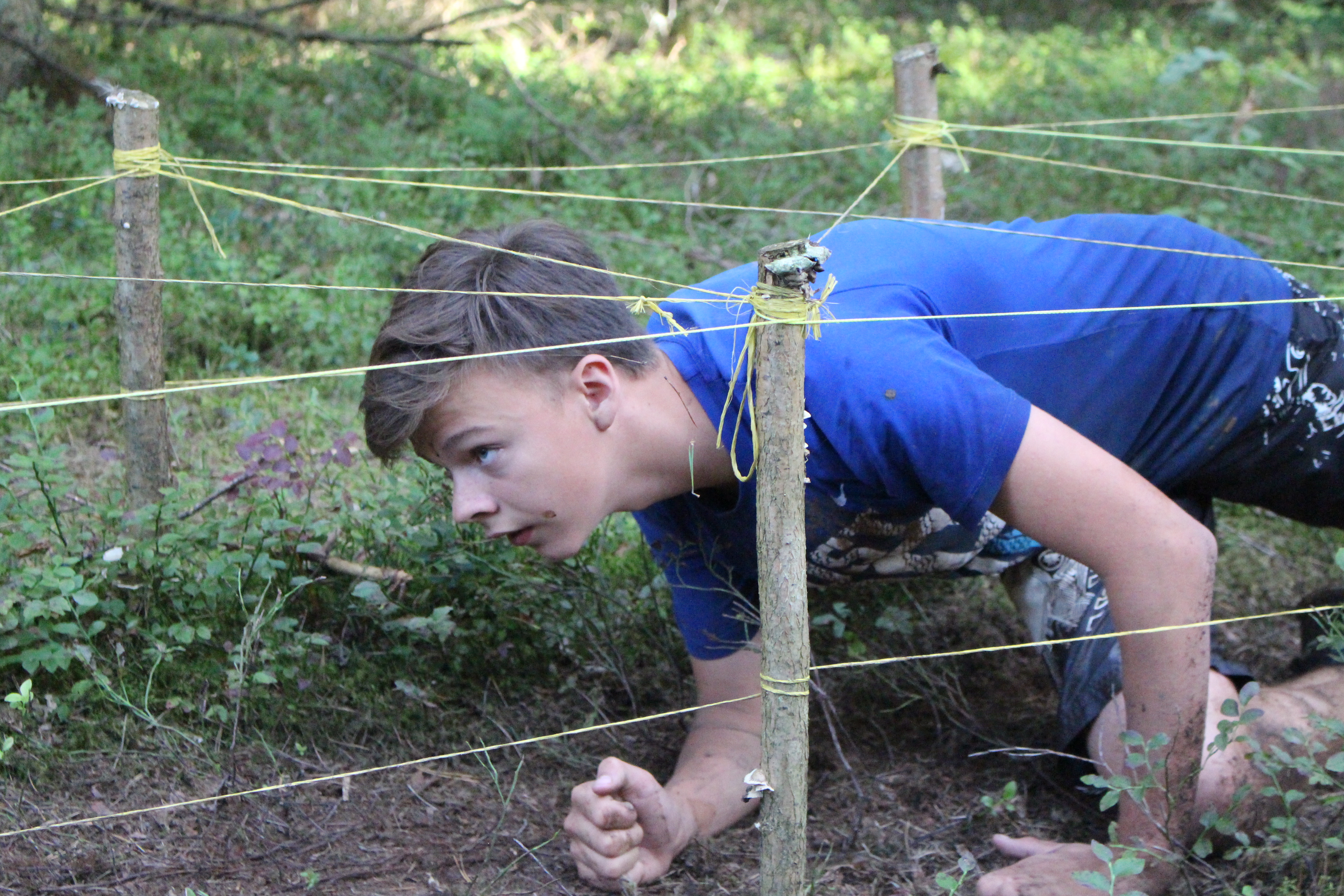
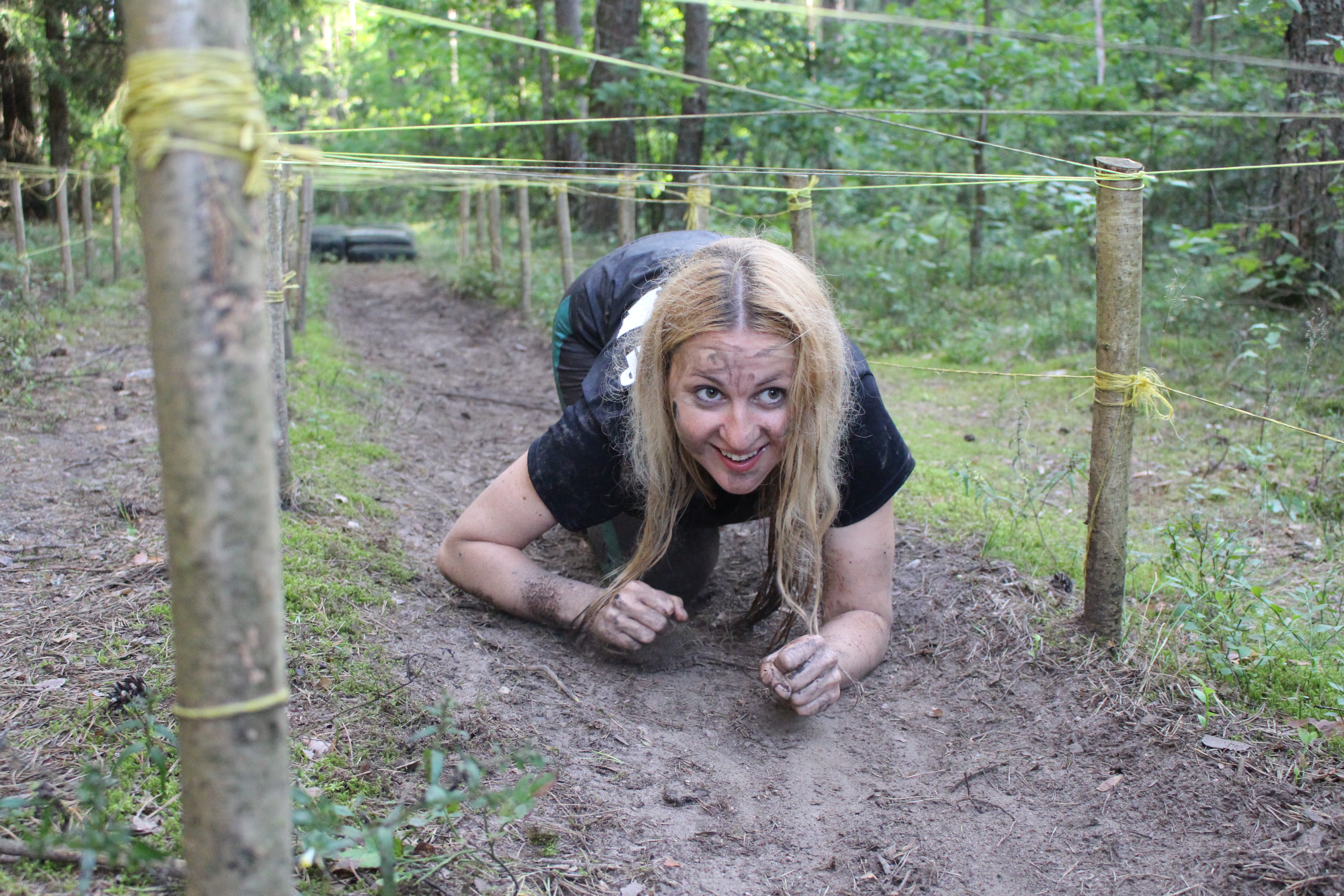
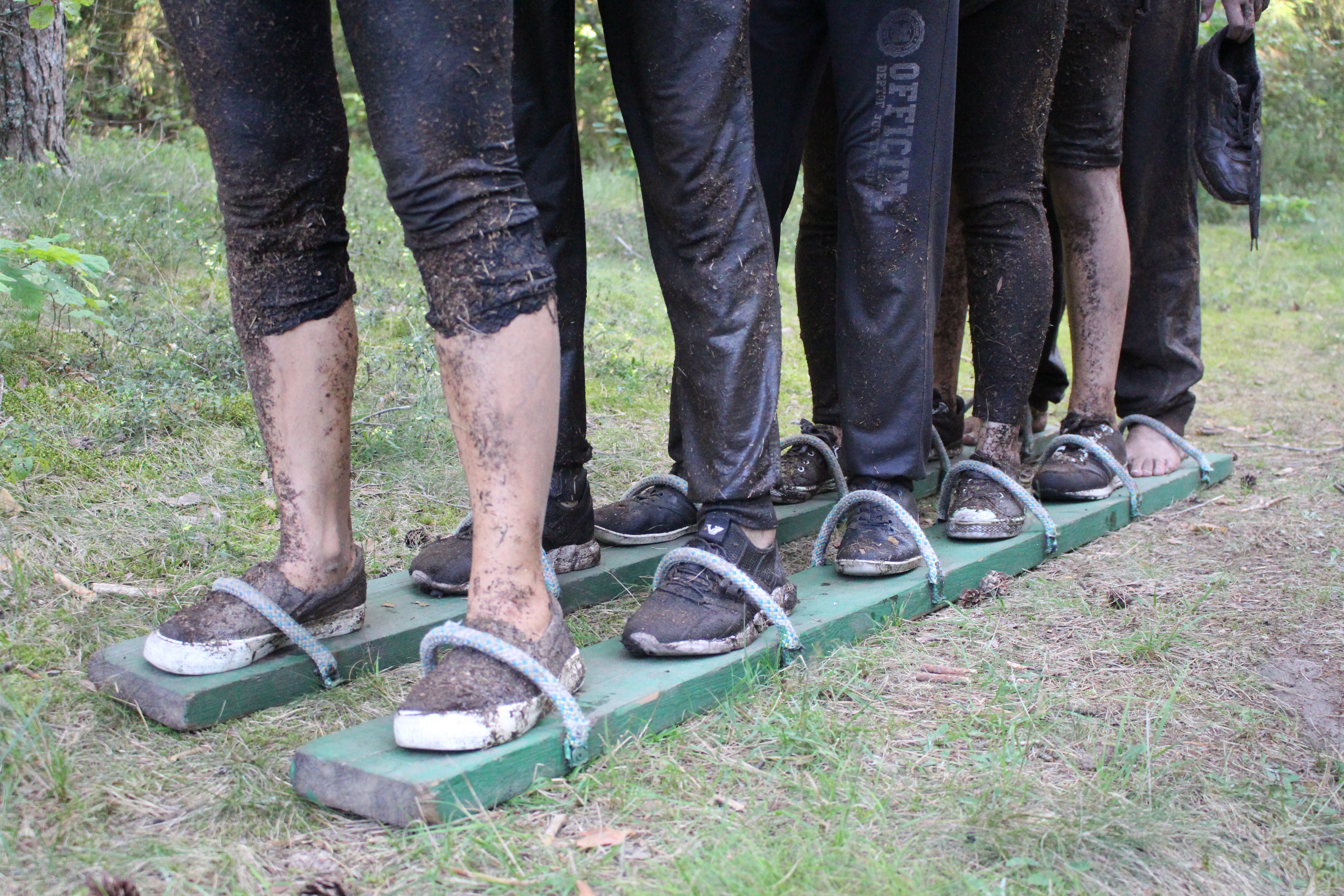
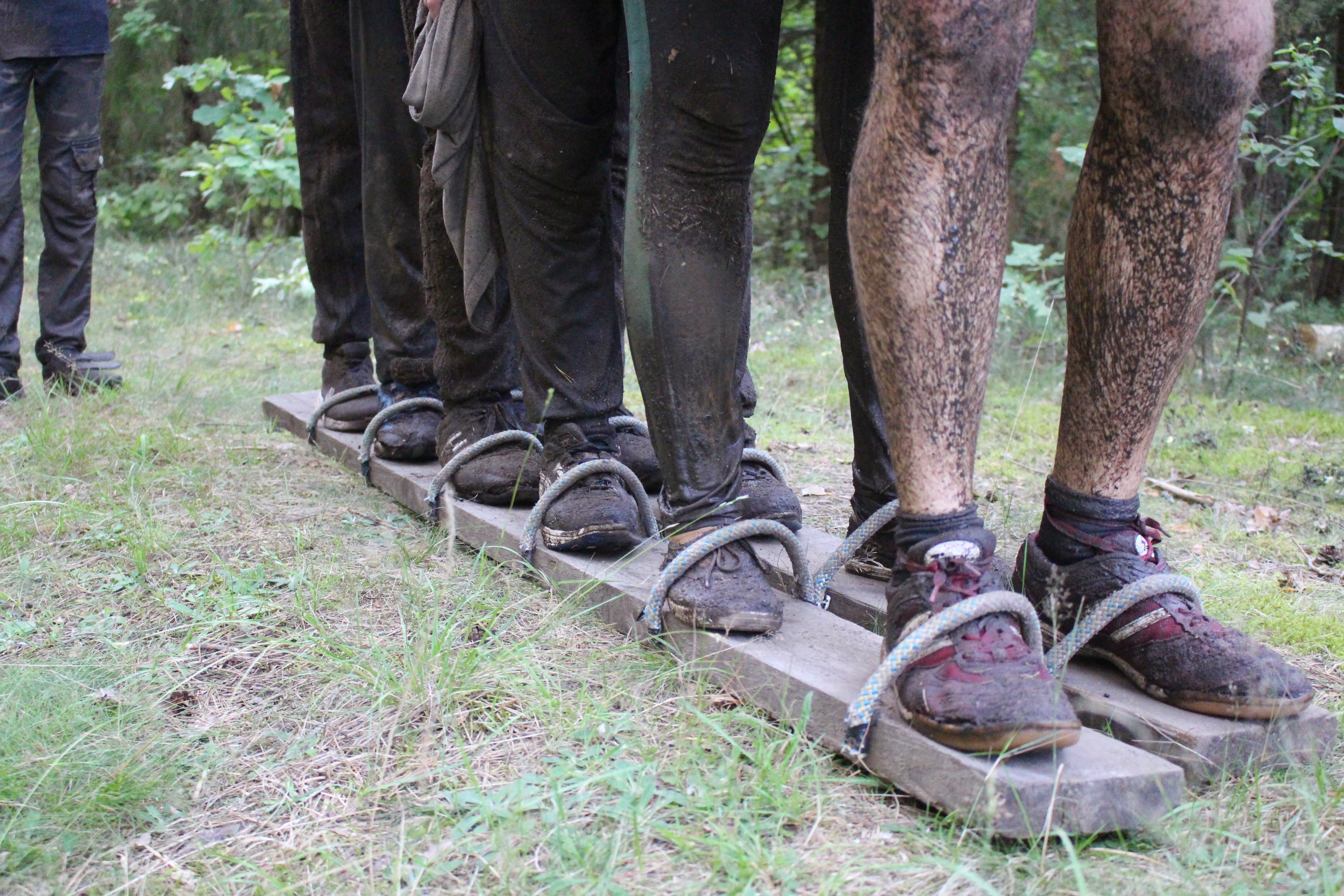
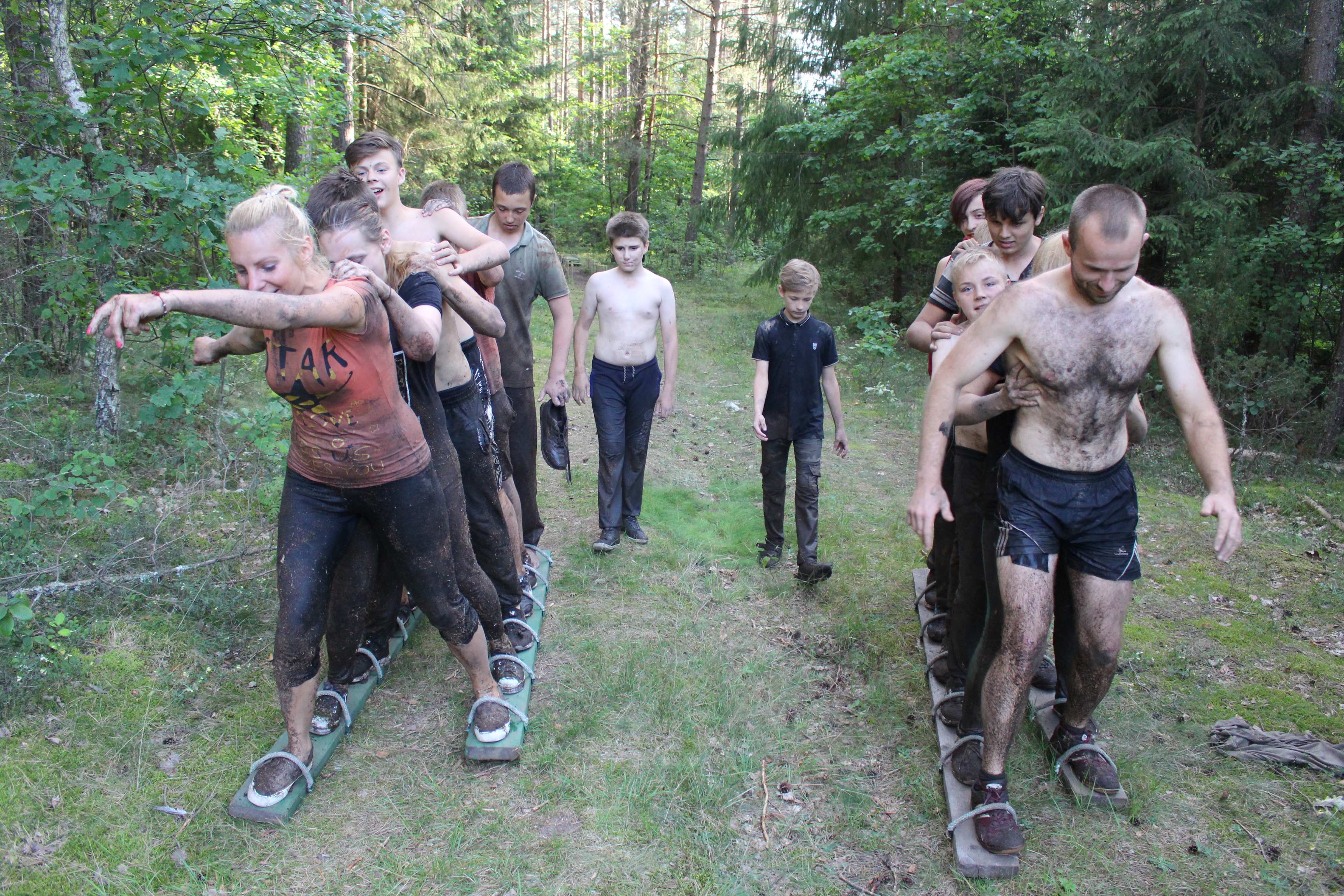
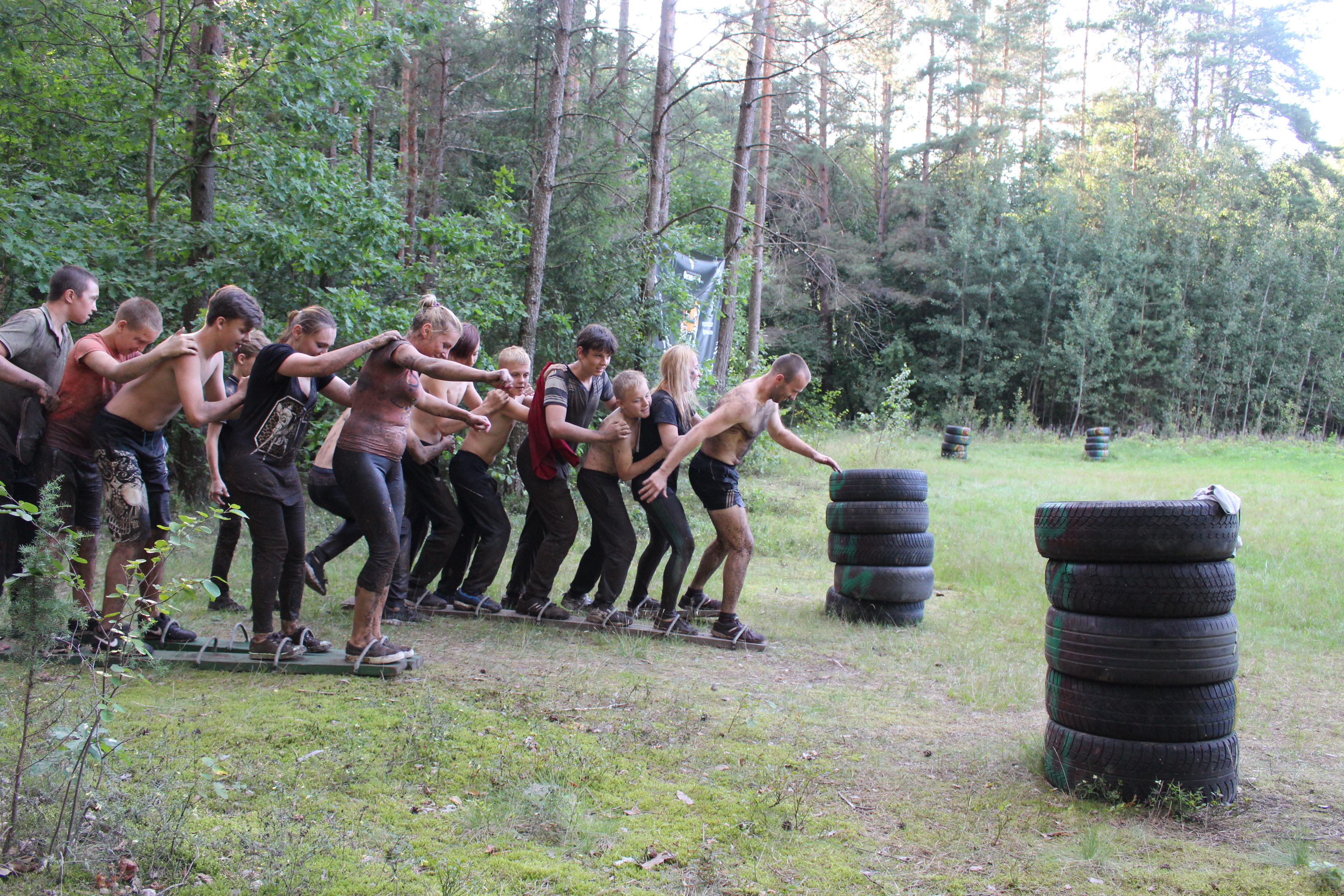
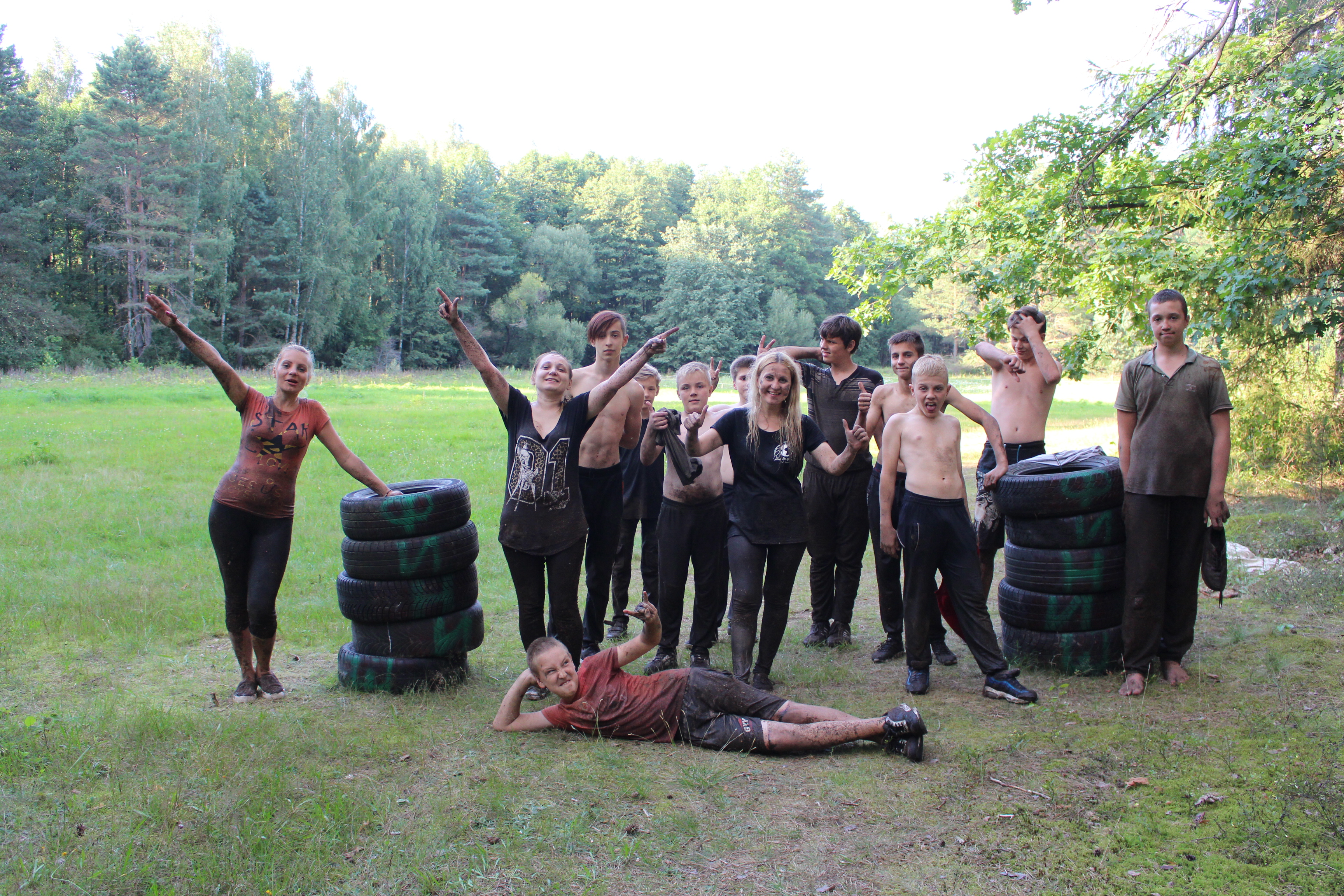

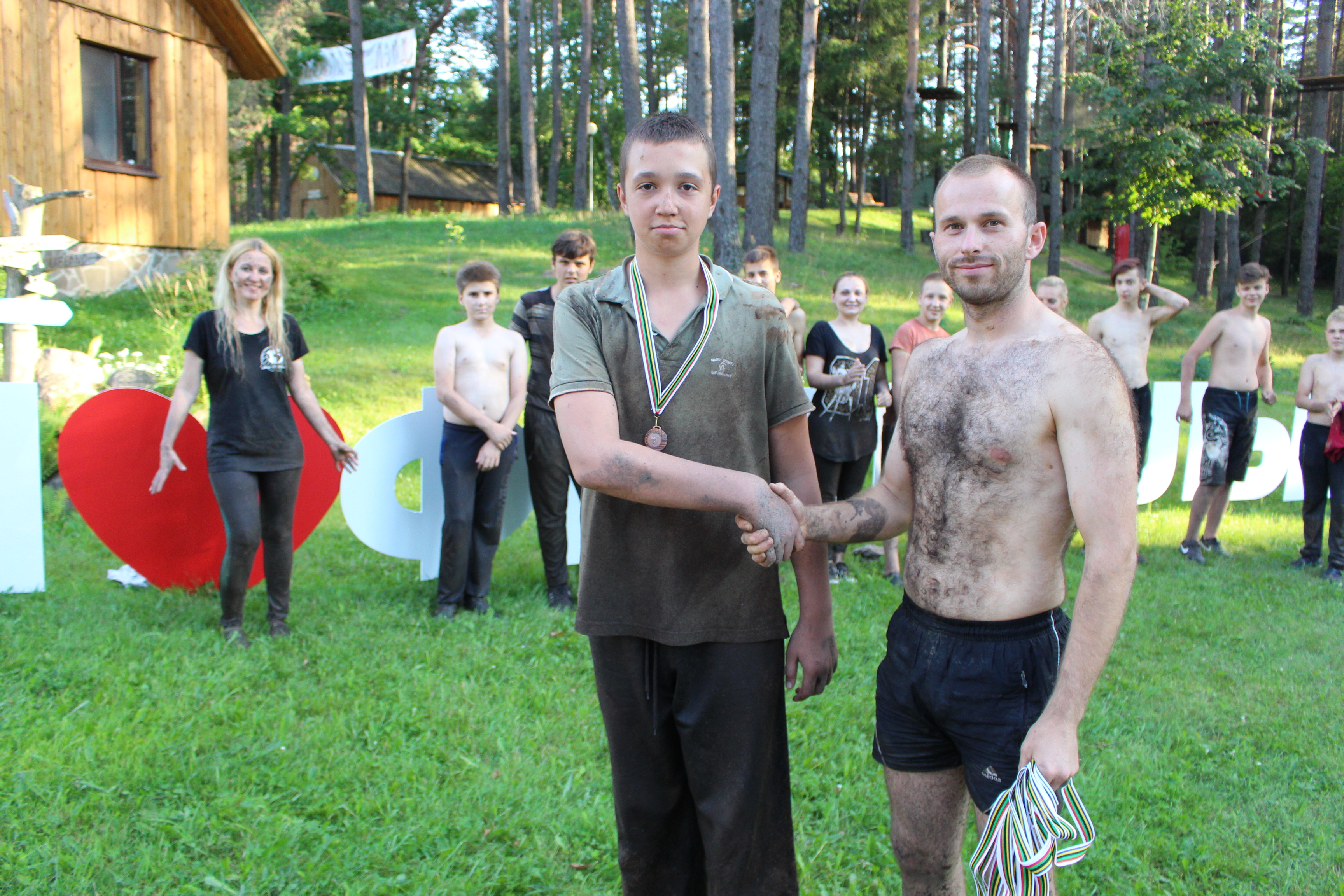
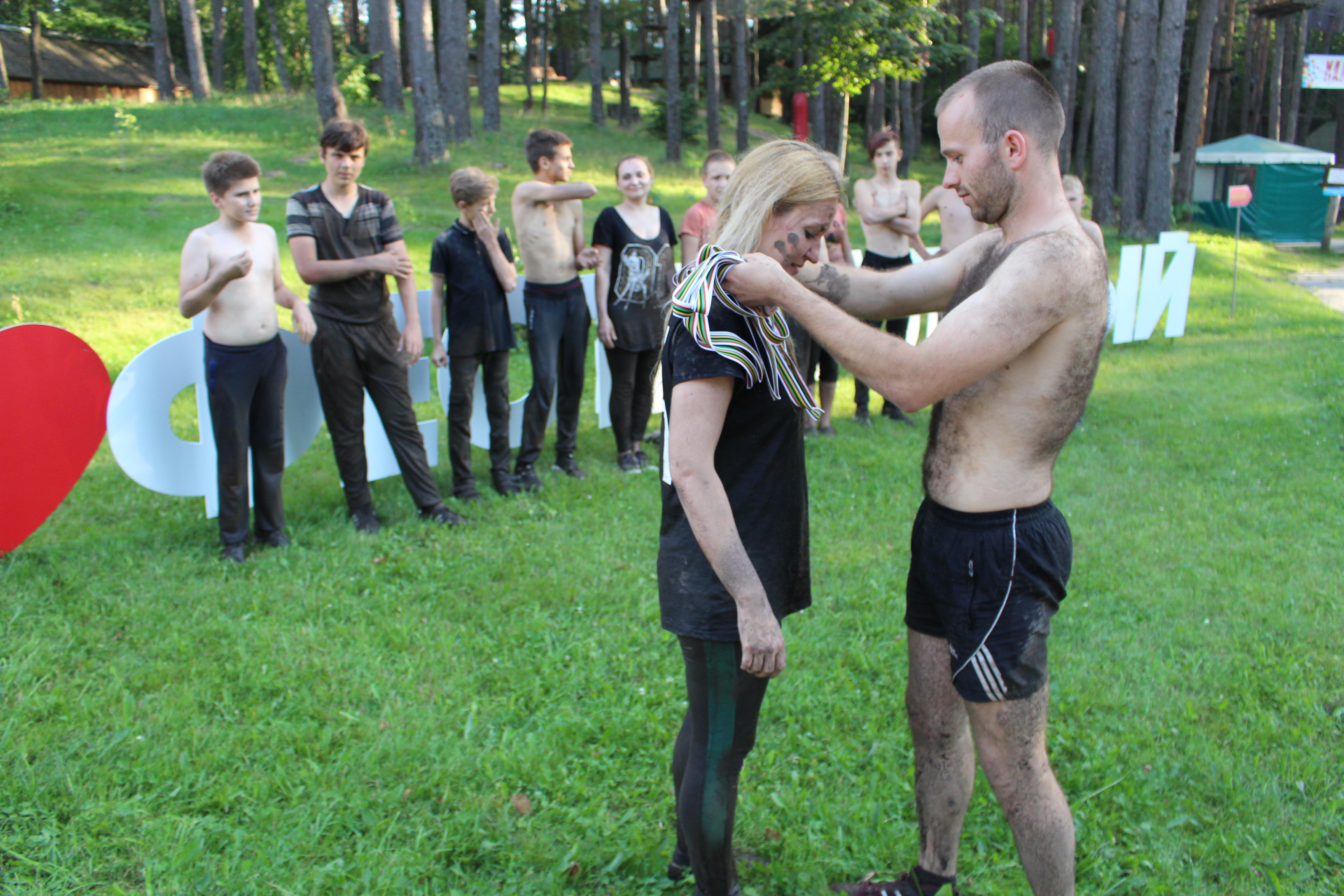
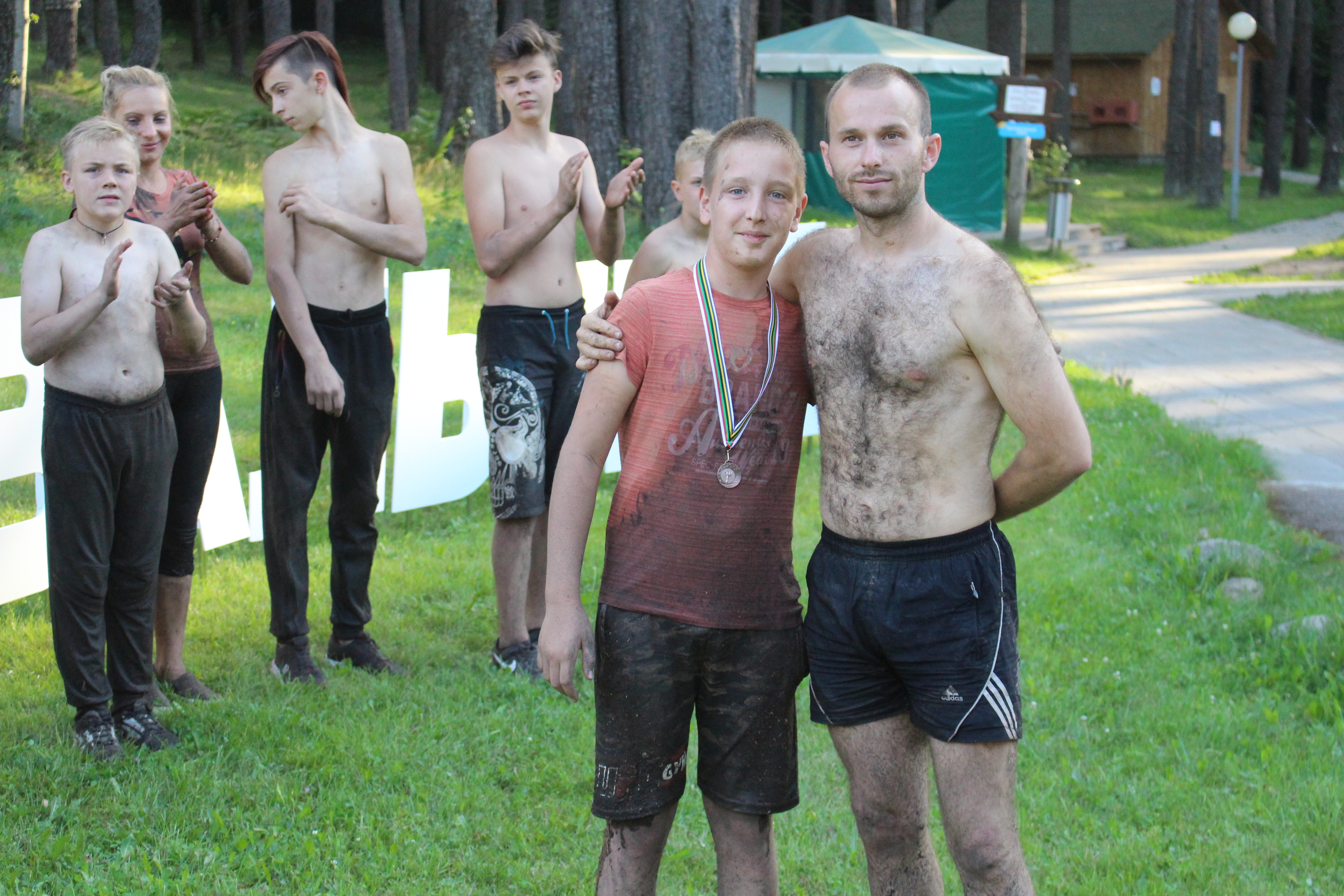
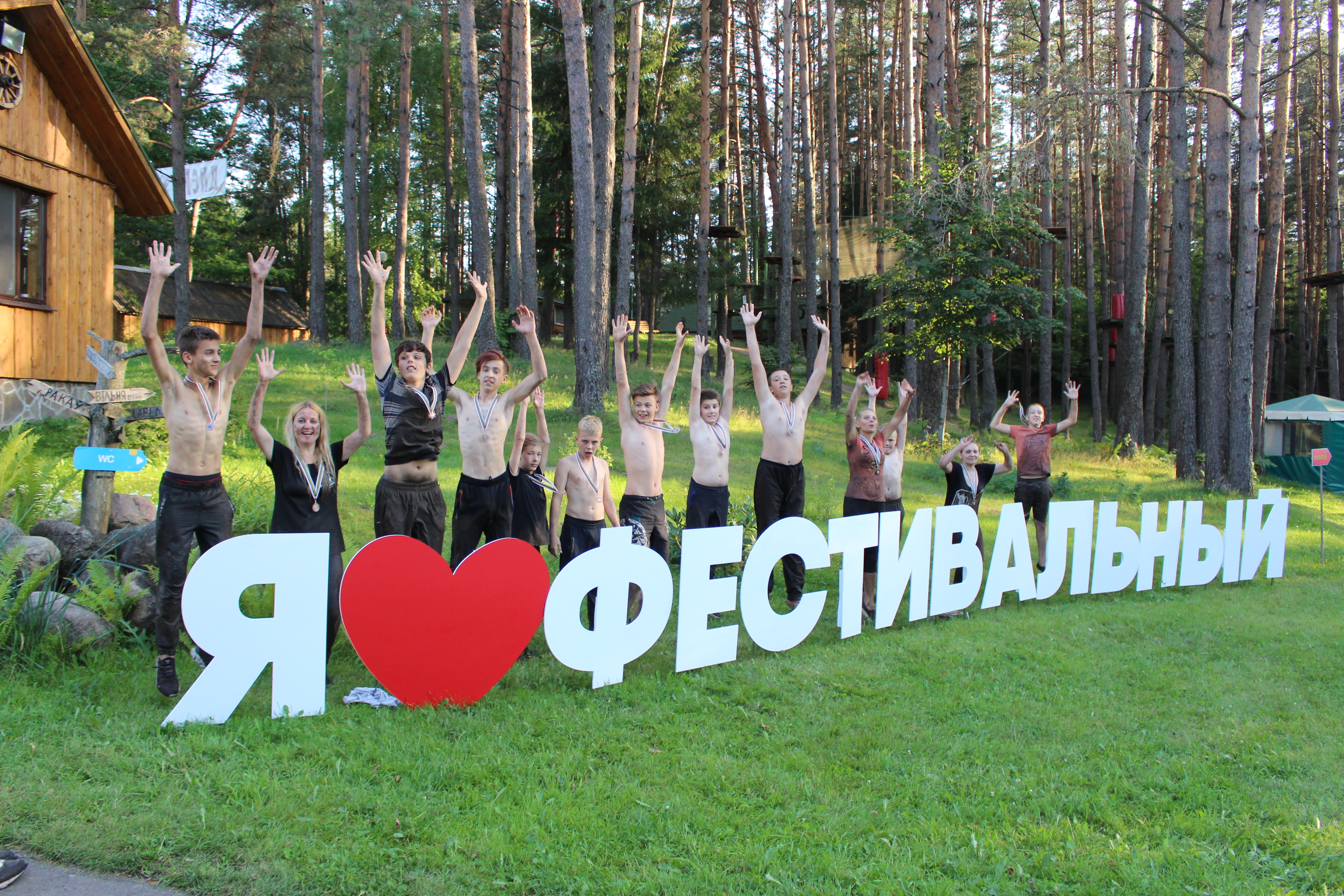
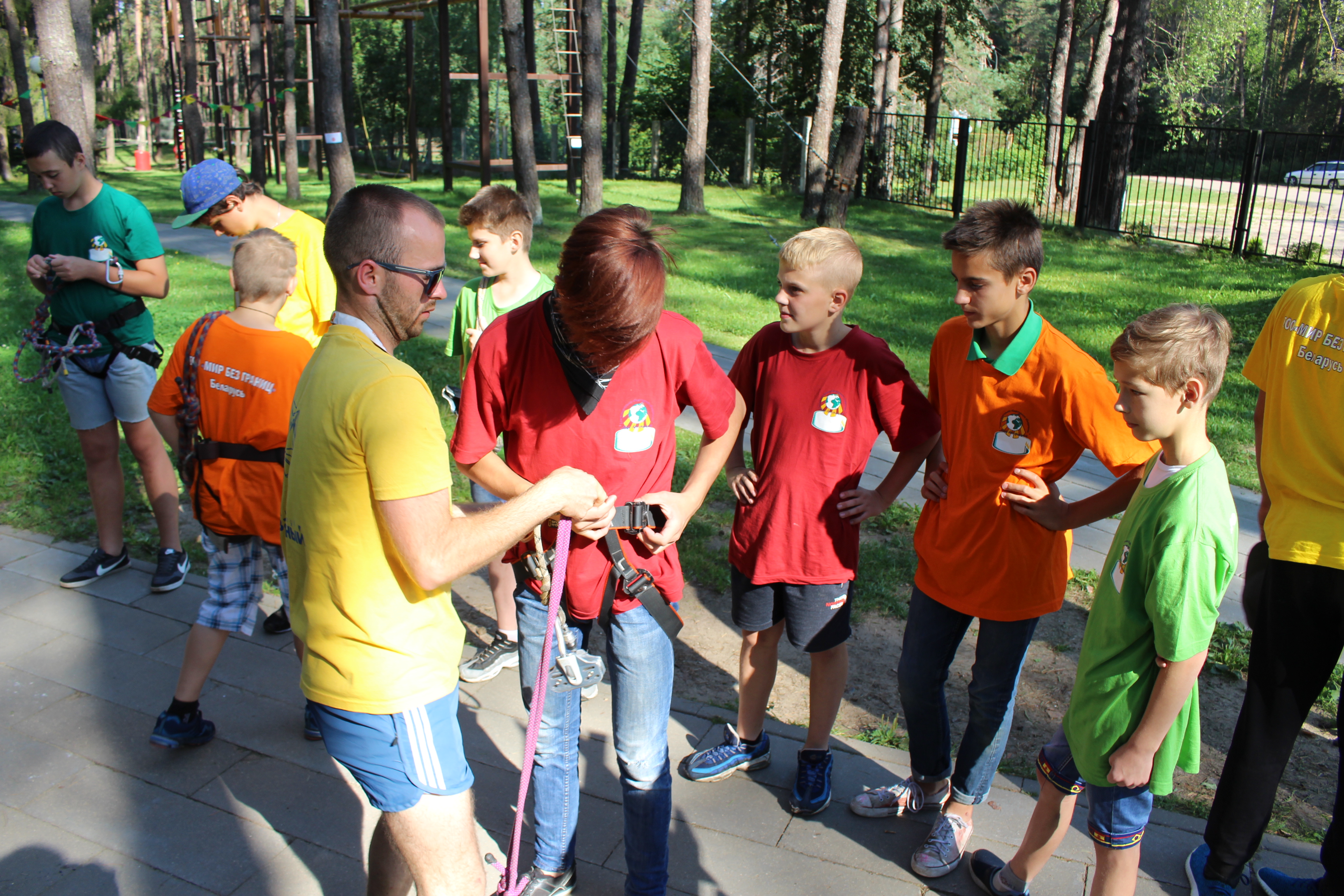
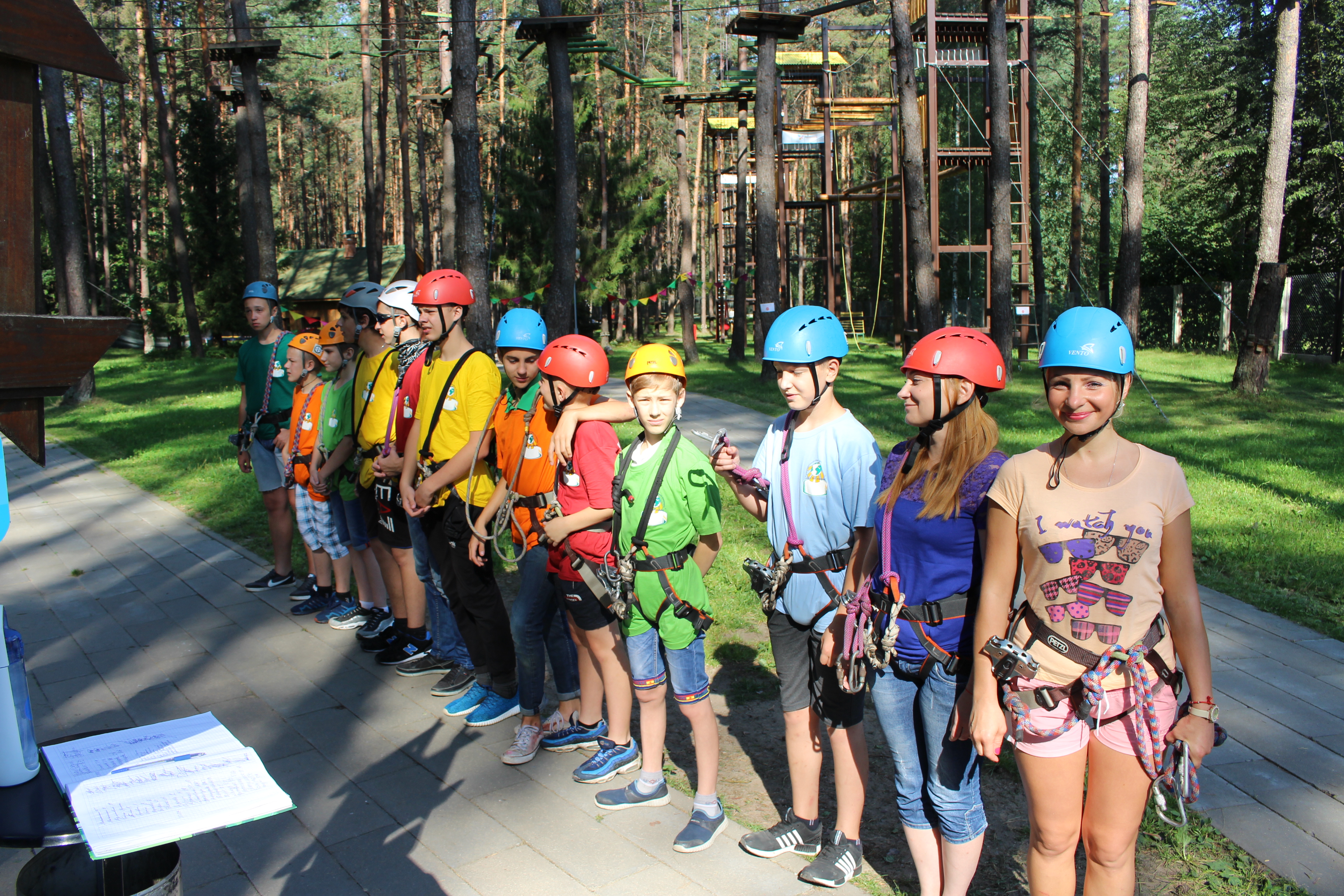
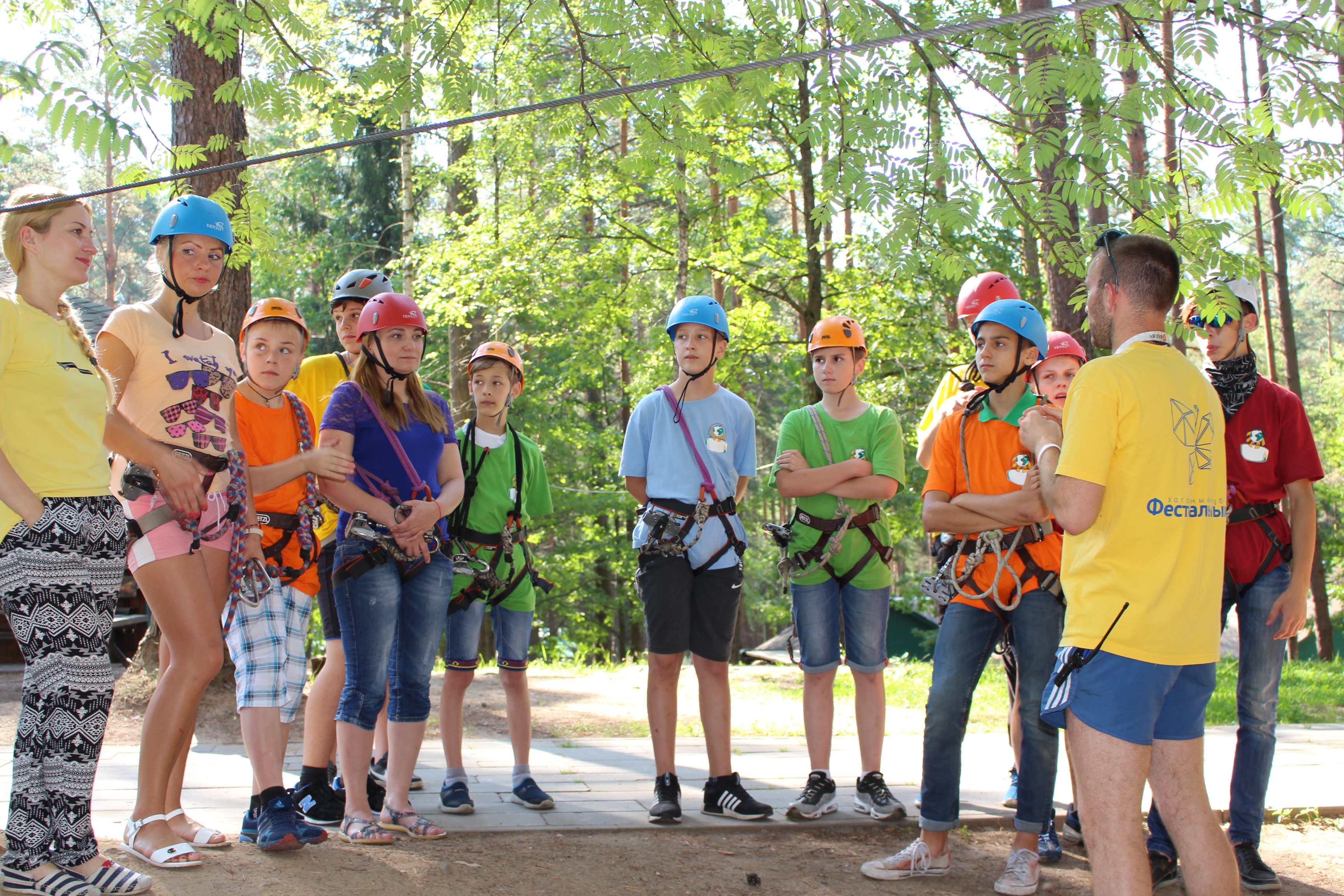
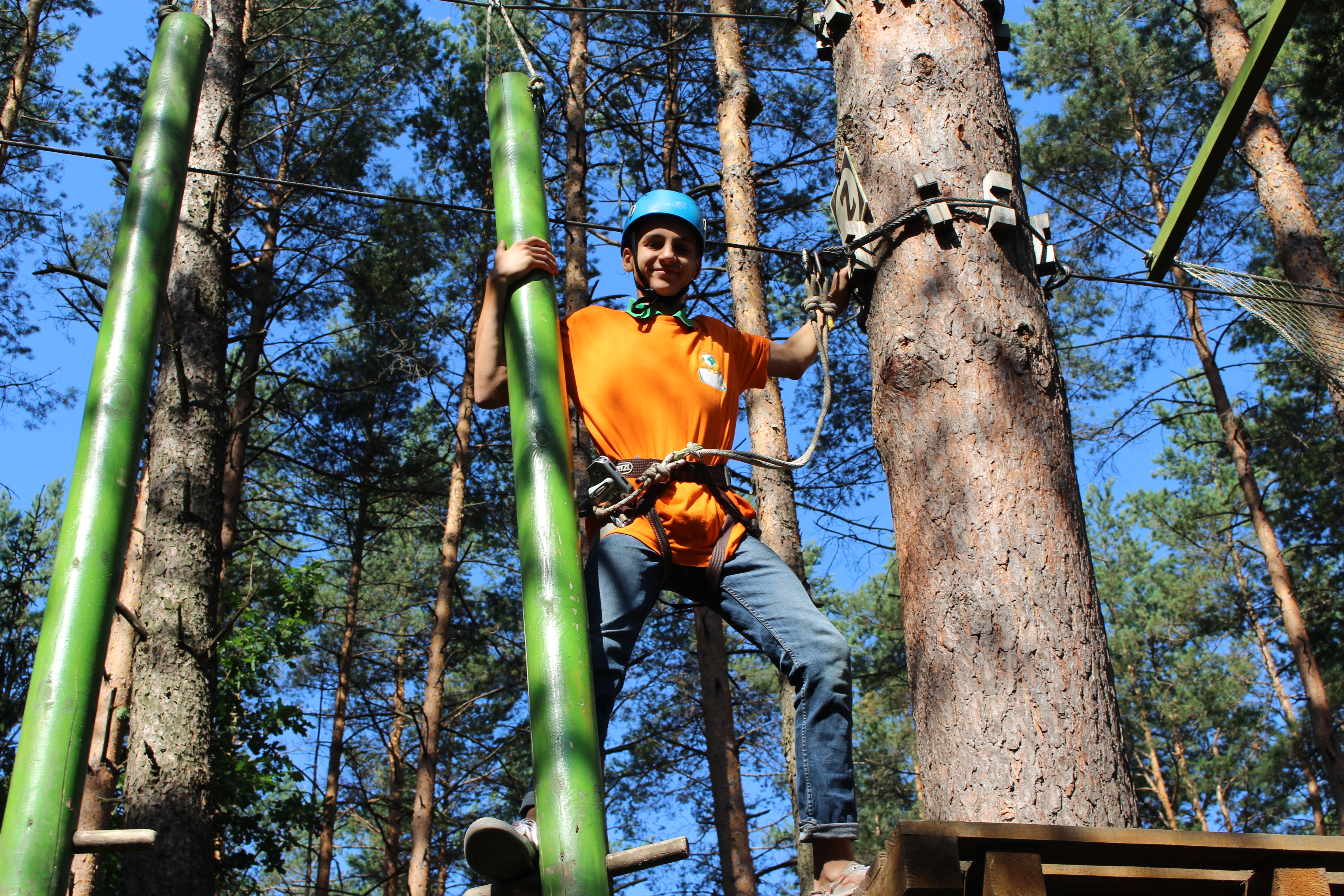
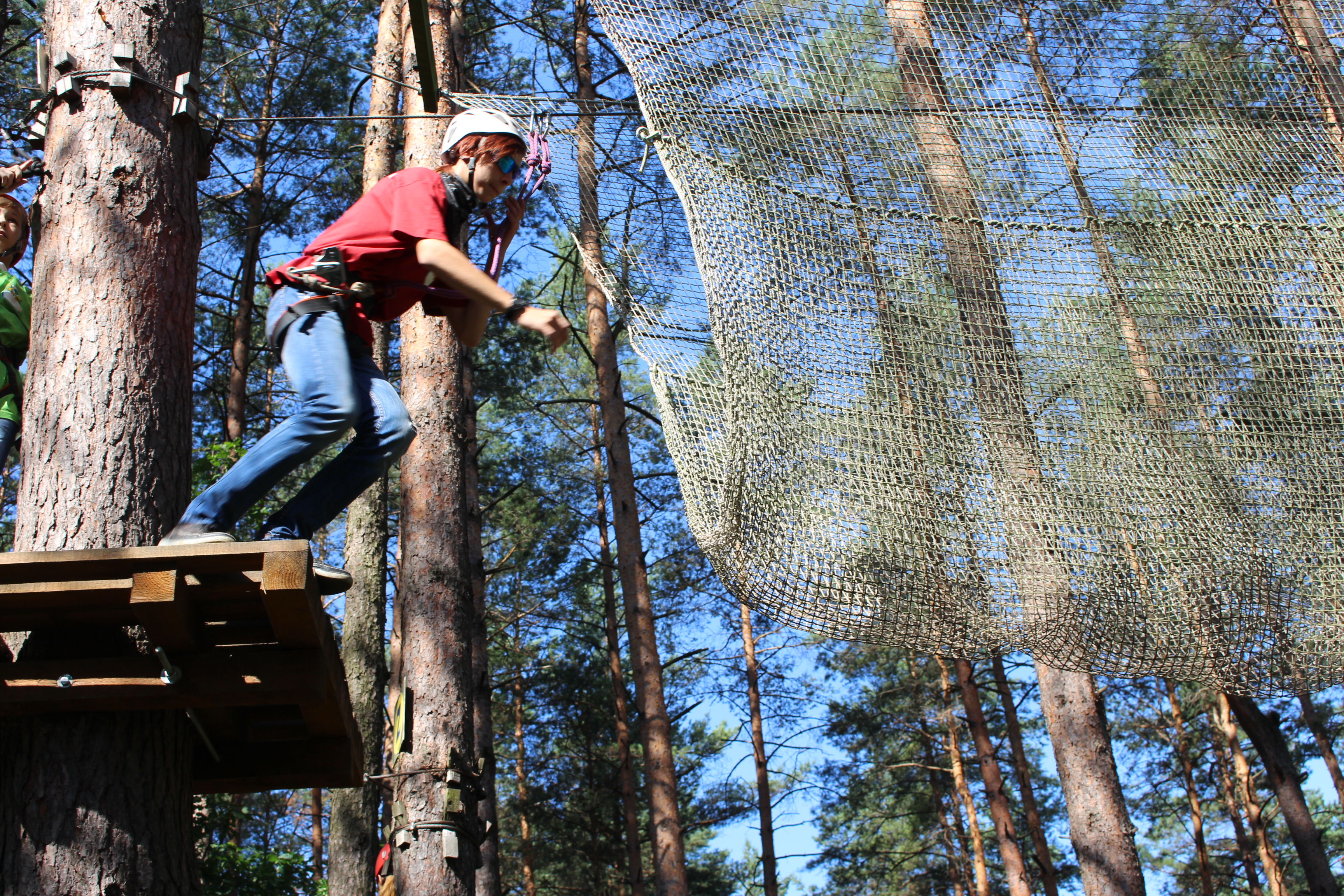
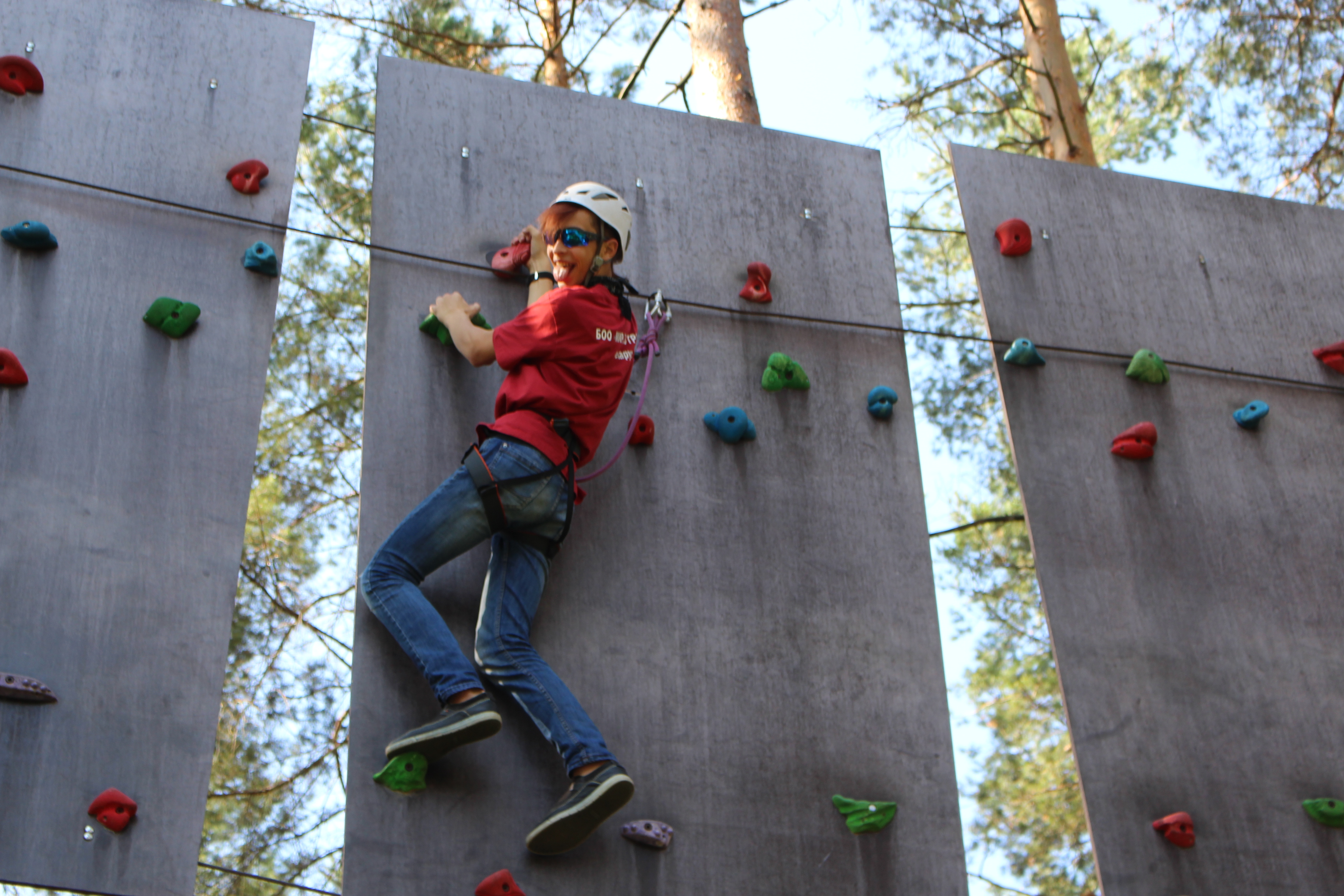
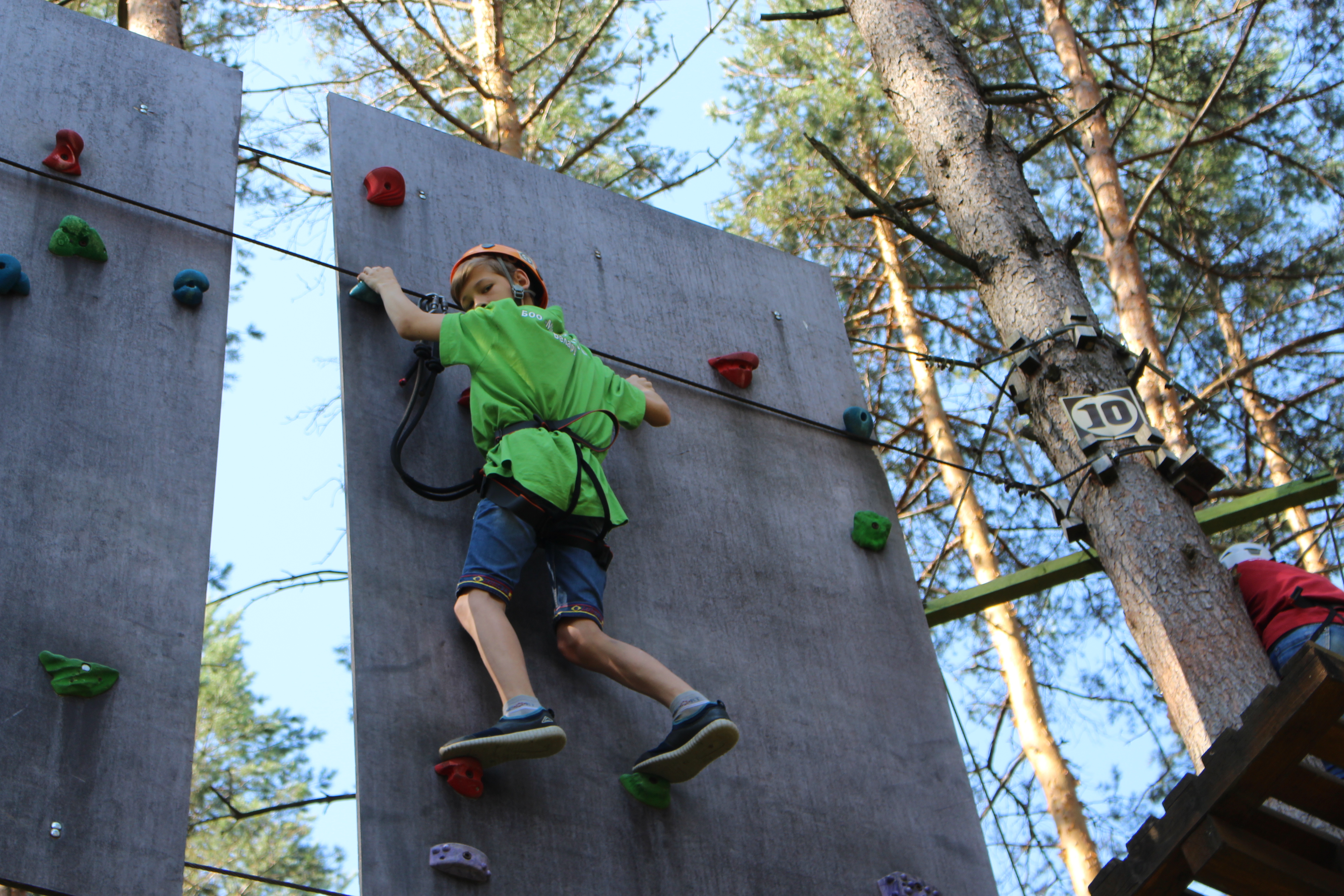
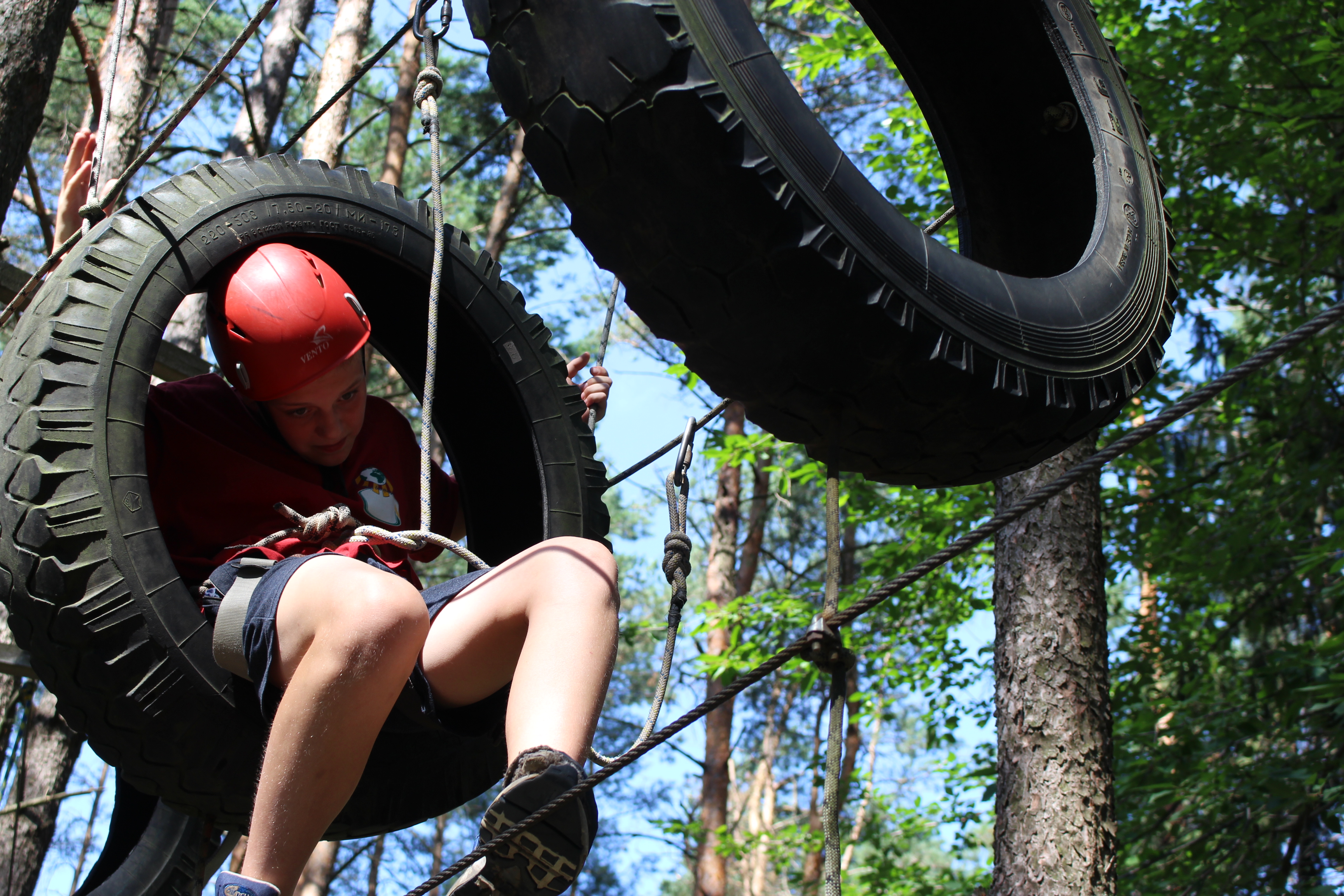


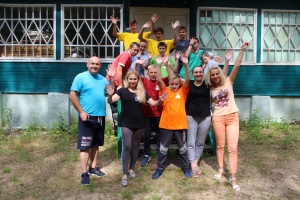
A therapeutic program for teenagers in conflict with law took place at the country club “Festivalny” from 30 July to 2 August 2018. In involved teenagers from experimental groups based on social pedagogical centres, that take part in a project.
The main tool used in a work of the program was the so-called “adventure pedagogy”. This technique was chosen for a reason. In a psycho-pedagogical context "adventure" is considered a situation of a person's interaction with self and the world in which he subjectively experiences novelty and force of external circumstances. During the adventure, he receives a new status, makes approbation of any activity or behavior models and gains new social experience. The pedagogical adventure always includes the situations creating connection between external and internal emotional experience. Whereas cooperating and sharing challenges contribute to establishing closer relations among the participants, create an informal atmosphere and break down communication barriers. The appeal of the adventure arises from the existence of an intrigue and romanticism of a situation, a possibility of winning and risk of losing. The strong-willed efforts made for overcoming the challenge allow the student to reveal a personal potential that he never considered before, to fulfill what supposed to be difficult or even impossible earlier.
We established a sequence of steps in organizing a pedagogical adventure:
1. Creating an intrigue regarding the upcoming adventure. The main purpose is to generate interest and anticipation of something unusual, new and mysterious among young people. An attitude of future participants is also of a great importance, as well as their will to act, try their powers and look for nonstandard solutions in uncertain cases.
2. Providing safety instruction. At this point the main task for an educator is to ensure participants awareness of all information and ways available so they can ensure their own safety as well as safety of others.
3. Defining the format of participation in adventure. In the first place, it is important there to take into account pupil’s expectations and intends concerning the forthcoming situation. The educator also should define what they are poised and what they are not poised to. Secondly, the duration of an event, as well as place, time and circumstances at which it will be held should be determined. Thirdly, a possibility of quitting the adventure should be stipulated, in case of some participants wanting to quit for whatever reason.
4. Providing training to participants. Depending on features of the adventure, it can be technical training or mastering of necessary knowledge and skills, provision of emotional setting and so on.
5. Organizing the adventure. The adventure, as any educational event, presumes full implementation of all tasks and at the same time requires educator’s improvisation, creativity and intuition. At the end of the adventure educators need to ensure a “triumphal” final that would make a participant feel like overcoming all the difficulties and being a winner.
6. Organizing a break and exchanging impressions. Emotional tension of the adventure frequently results in tiredness of participators, in particular if it is especially long and complicated. Moreover, at the end of an activity young people are overwhelmed by emotions. Such an emotional communication prevents the implementation of the next step — comprehension of the experience. Consequently, it is necessary to organize a break for resting and exchanging impressions.
7. Organizing a comprehension of the experience gained. In this case it is important to organize a reflection on the interaction between a young man and the outside world. The reflection should also cover the changes in self-perception and perception of the surrounding world, skills and abilities, relations and so on.
All the stages of organizing the adventure represent the algorithm of preparing any extra-curricular activities or sometimes even a learning event. Organizing educational activity, we focused not on a formalization and unification of a process, but rather on its “adventure” aspect. That is we tried to make the educational process more colorful and memorable on an emotional level, create a space for self-knowledge and experimenting.
Thus, there is no doubt that the program provided psychological help for participating teenagers in self-cognition. It also established intrapersonal communication in a group and ensured creation of a secure and peaceful atmosphere. It affected the formation of an adequate self-assessment, developed creative abilities and imagination; promoted increase in adaptive capacities for children in a temporary collective and helped changing negative behavioural stereotypes. Also the program carried out a task of preventing and correcting anxiety, fears, aggressions and asocial behavior.
Therapeutic program “Go up against yourself!”
Gallery
3 August 2018
Share: