
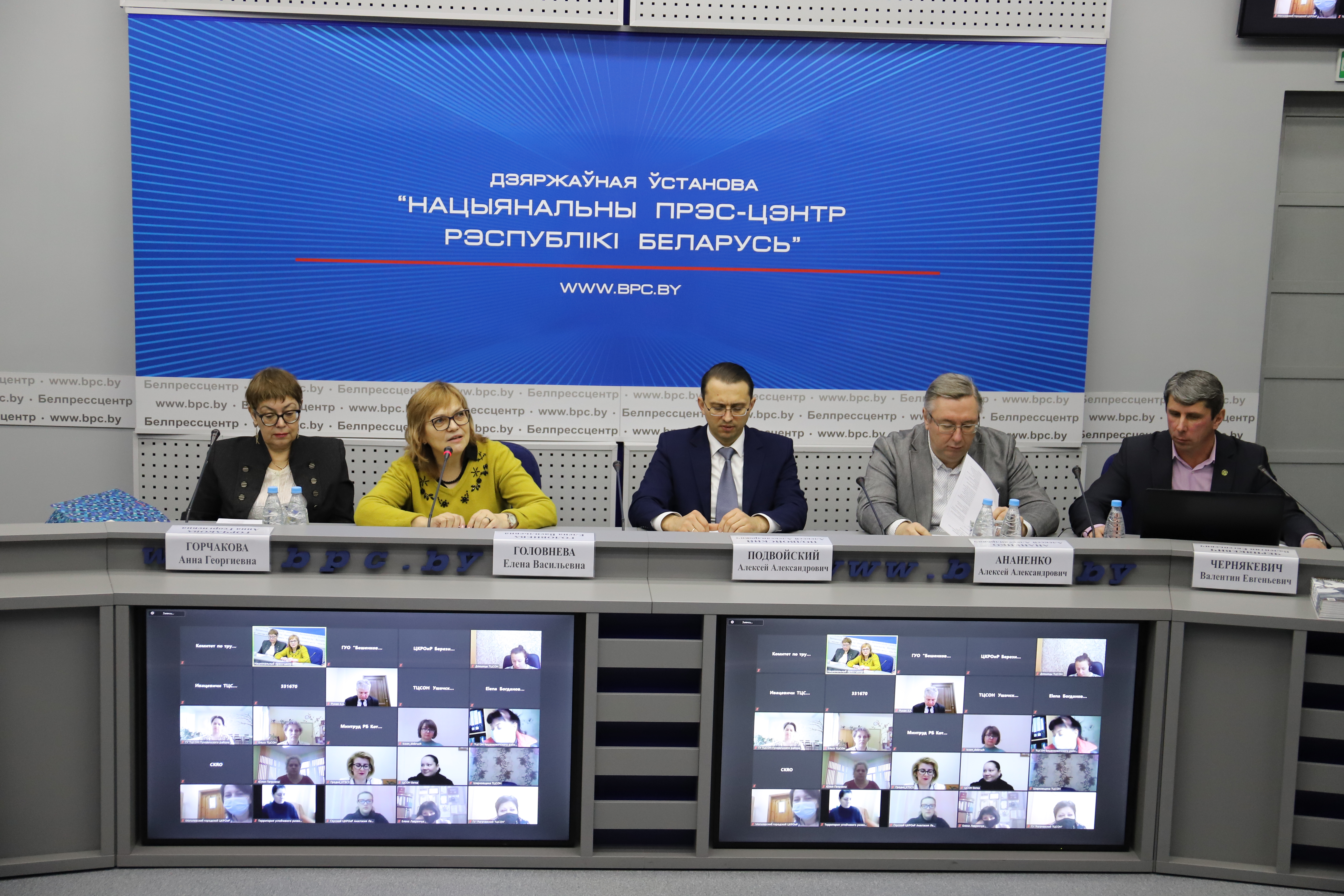
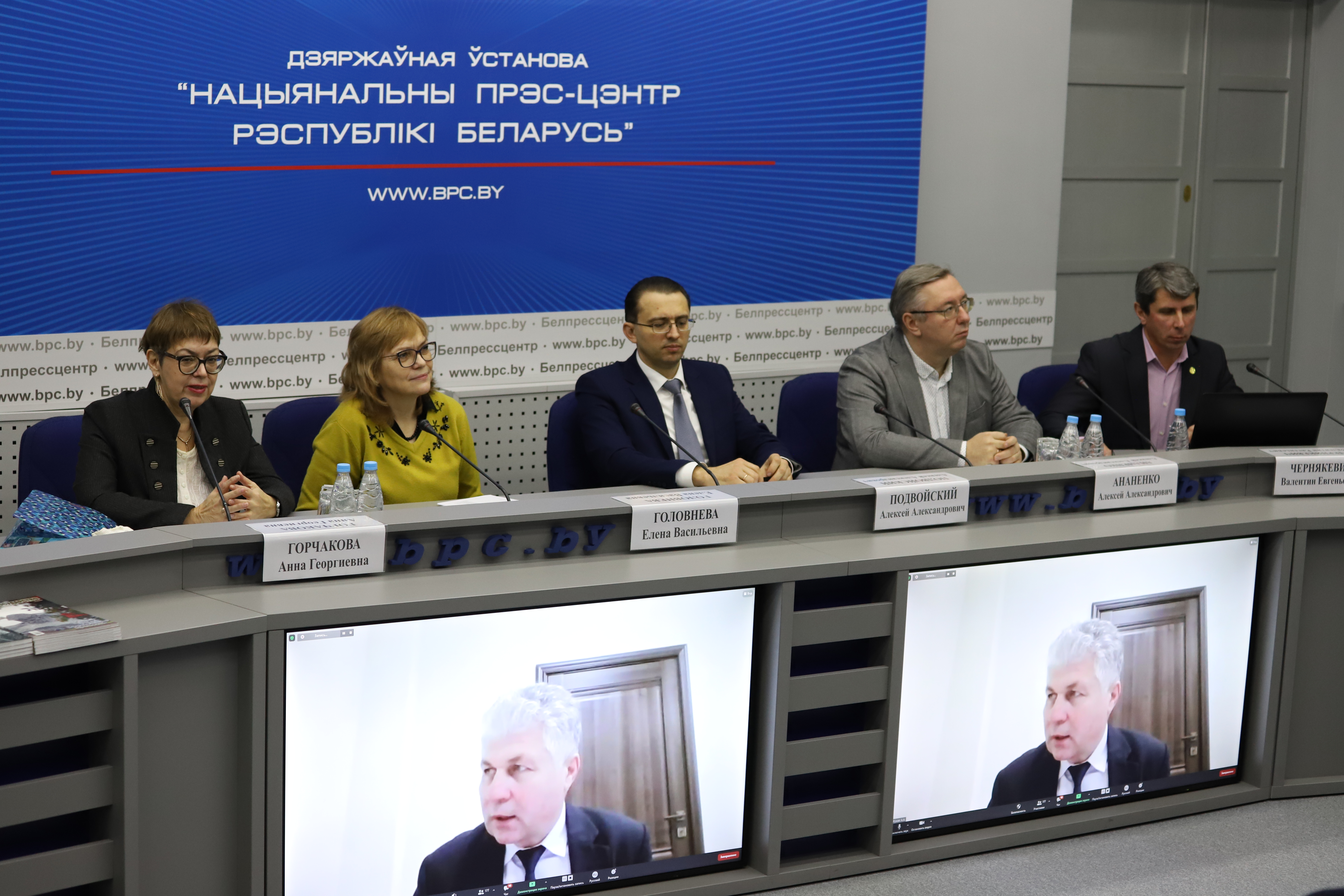
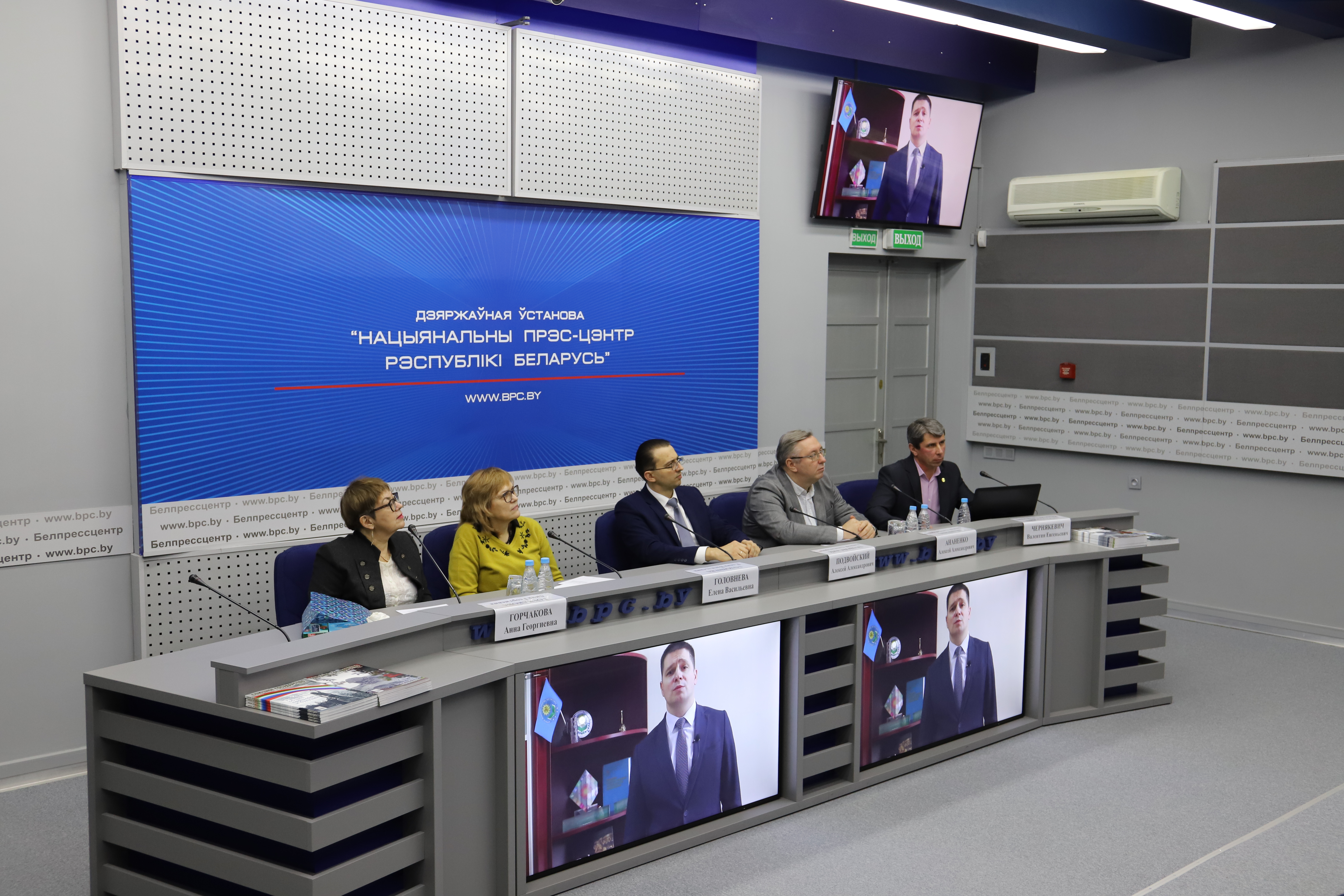
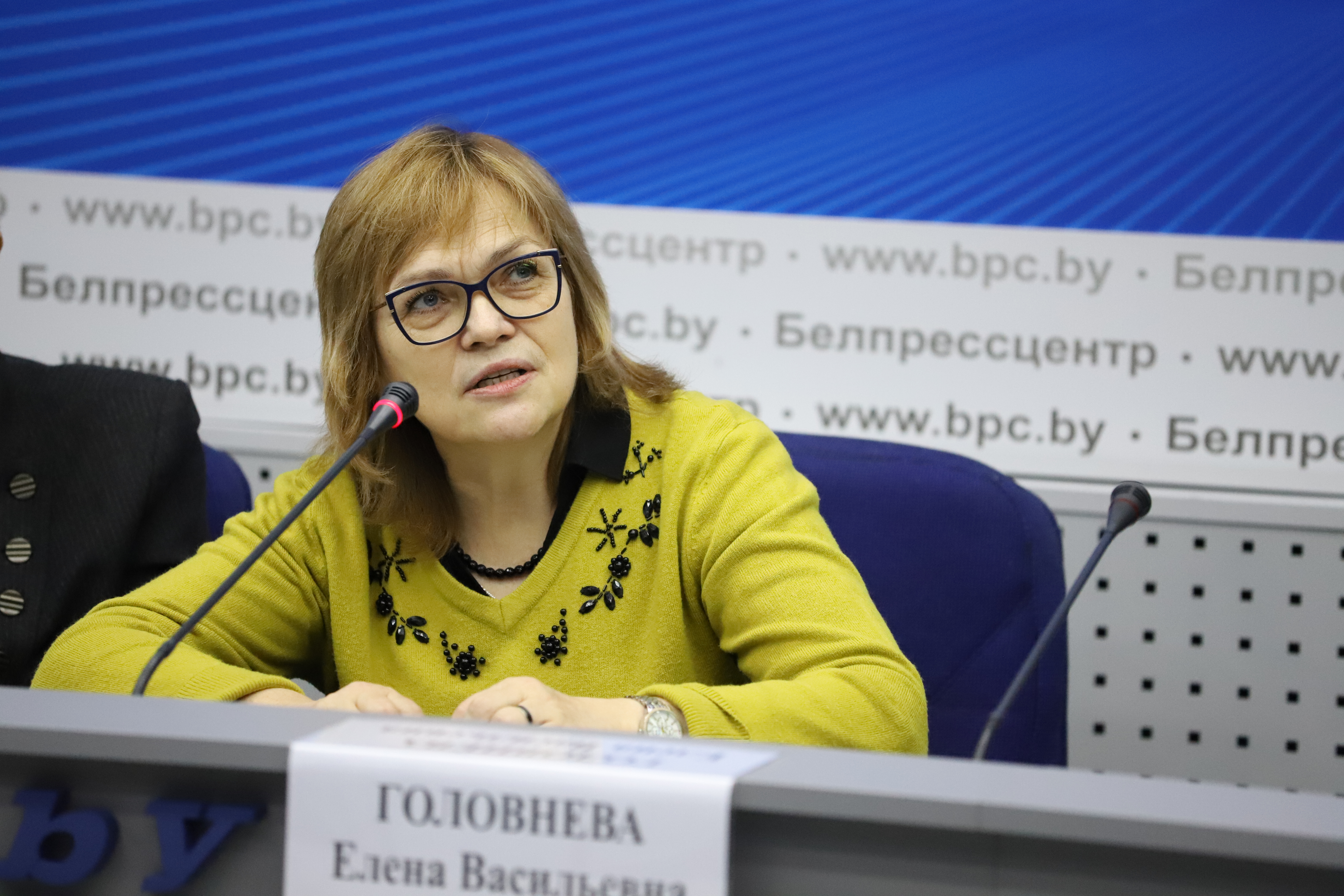
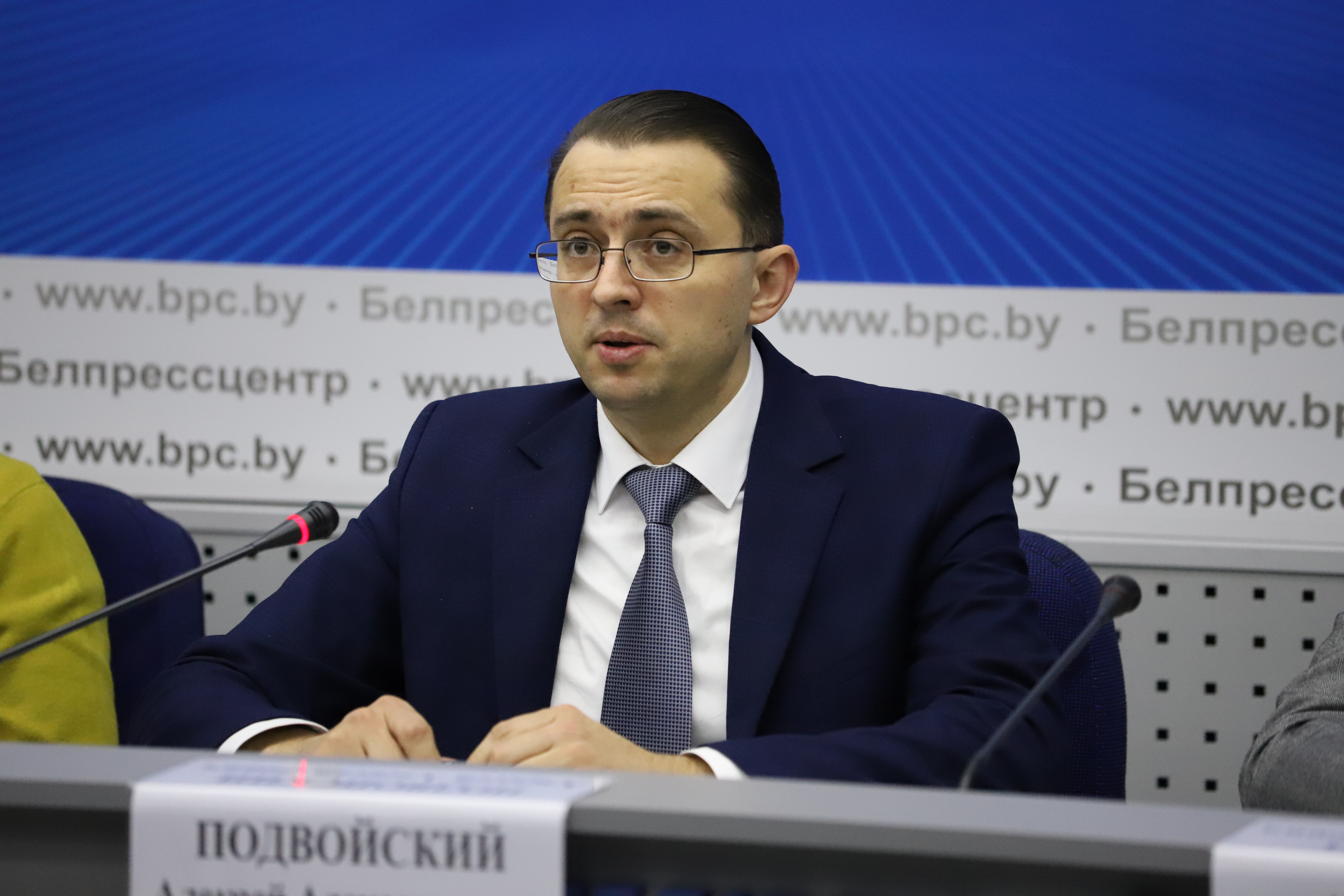
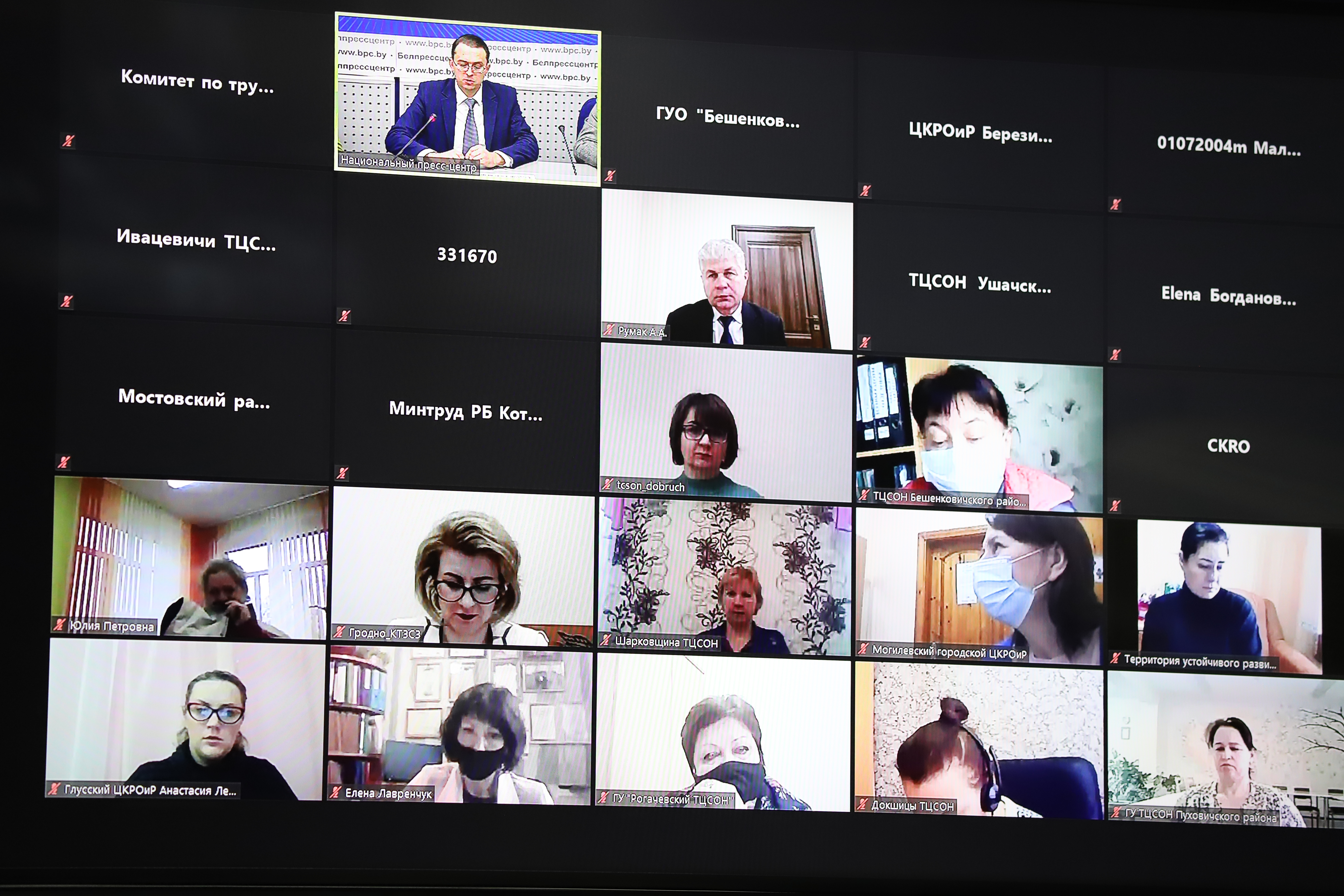
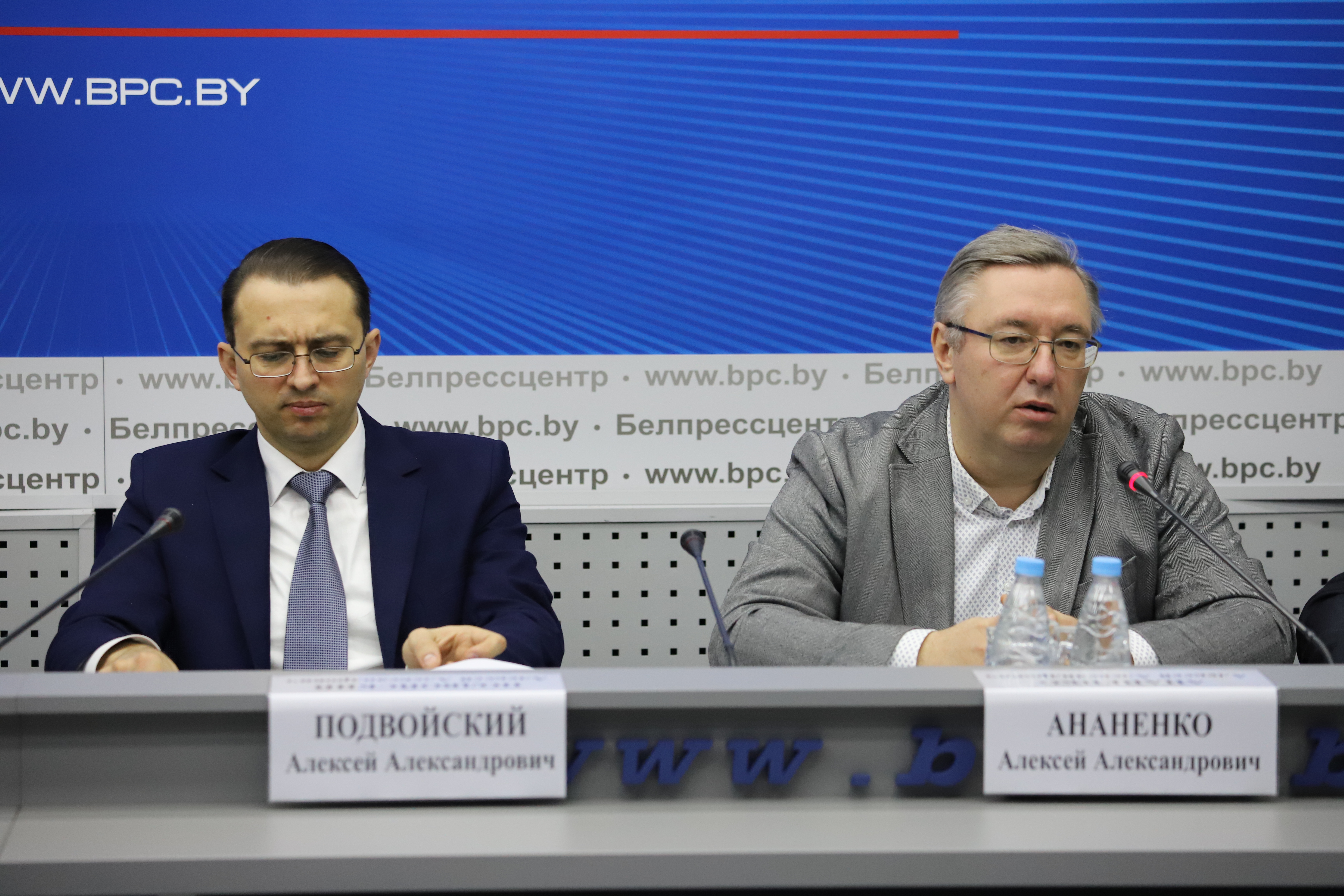
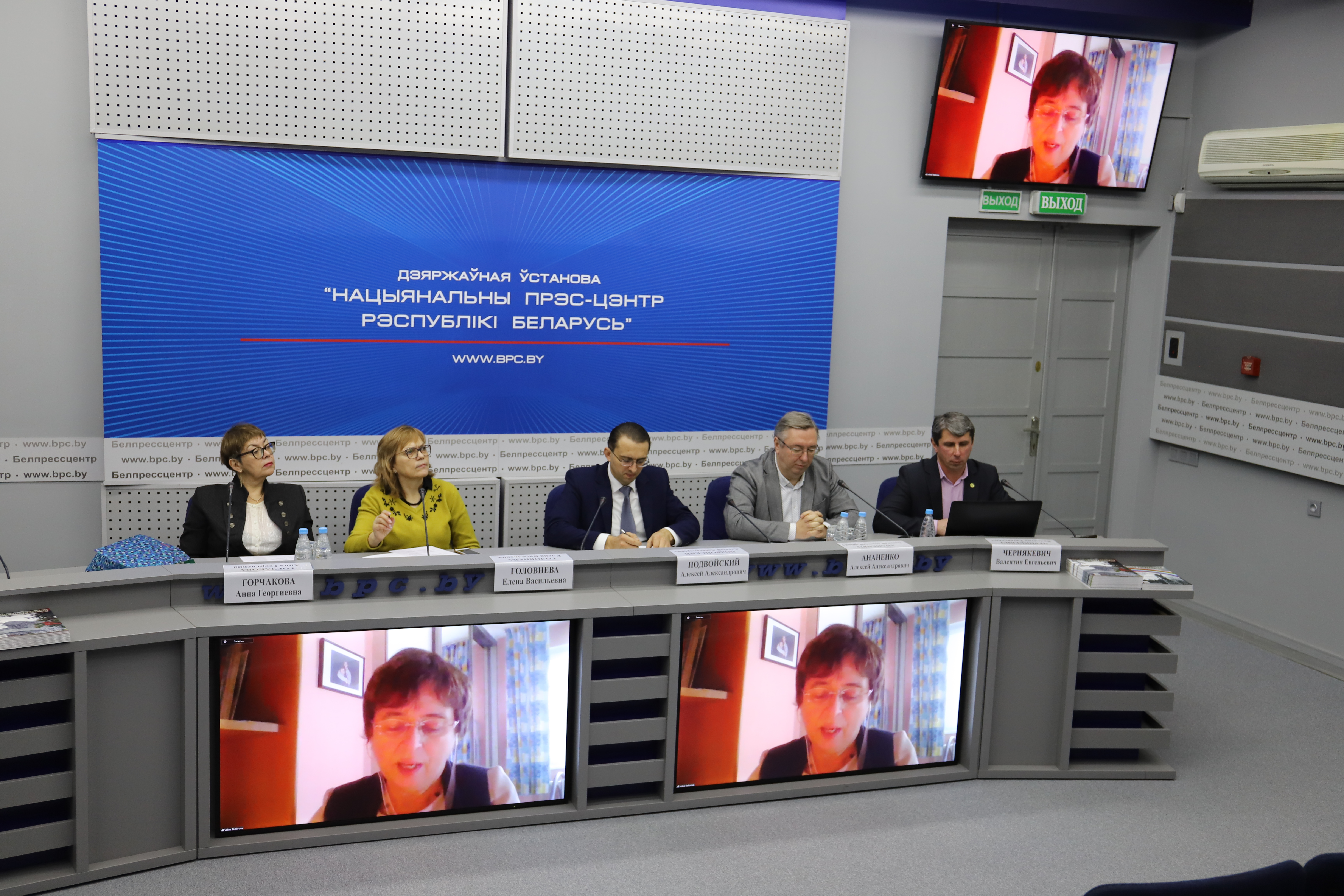
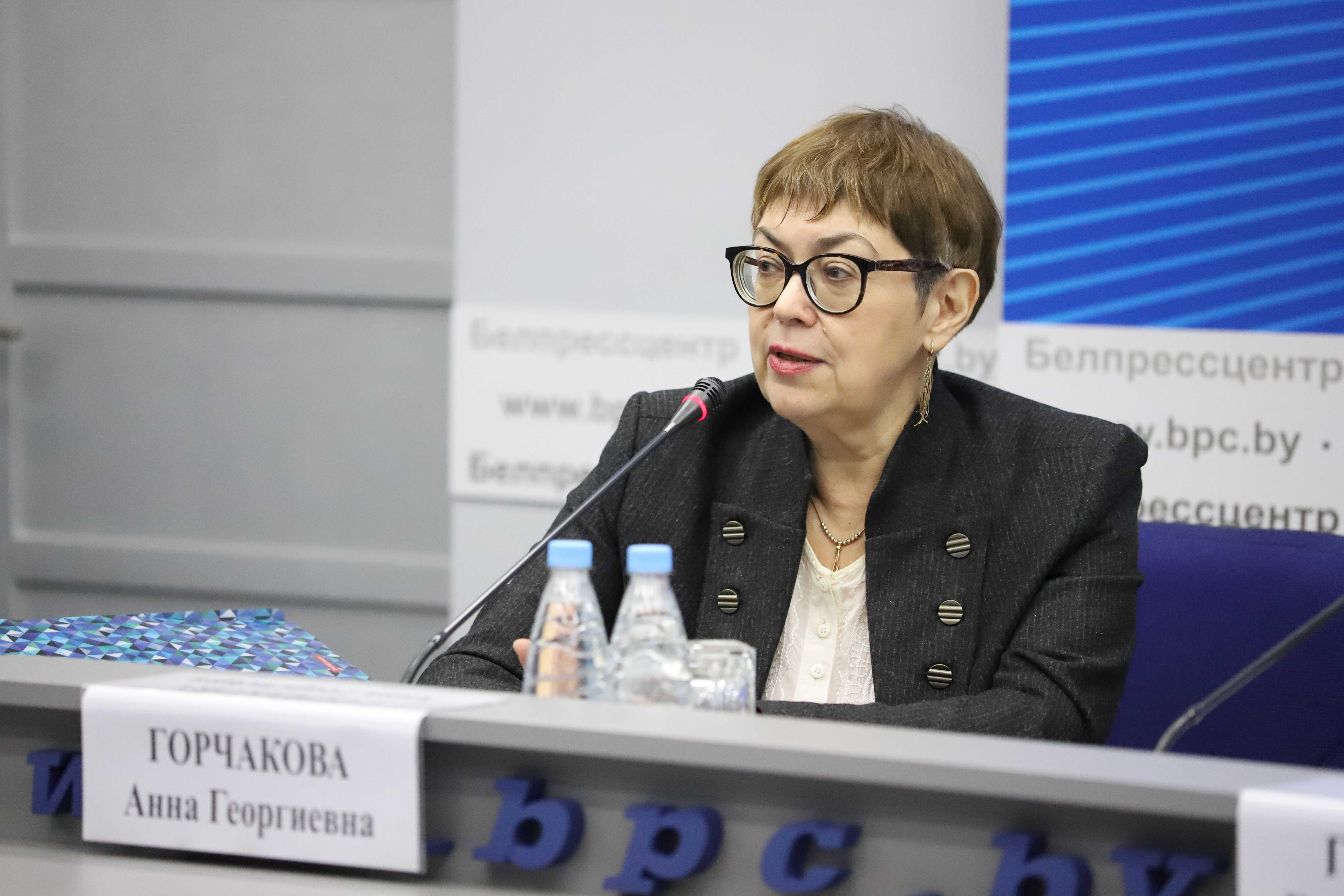
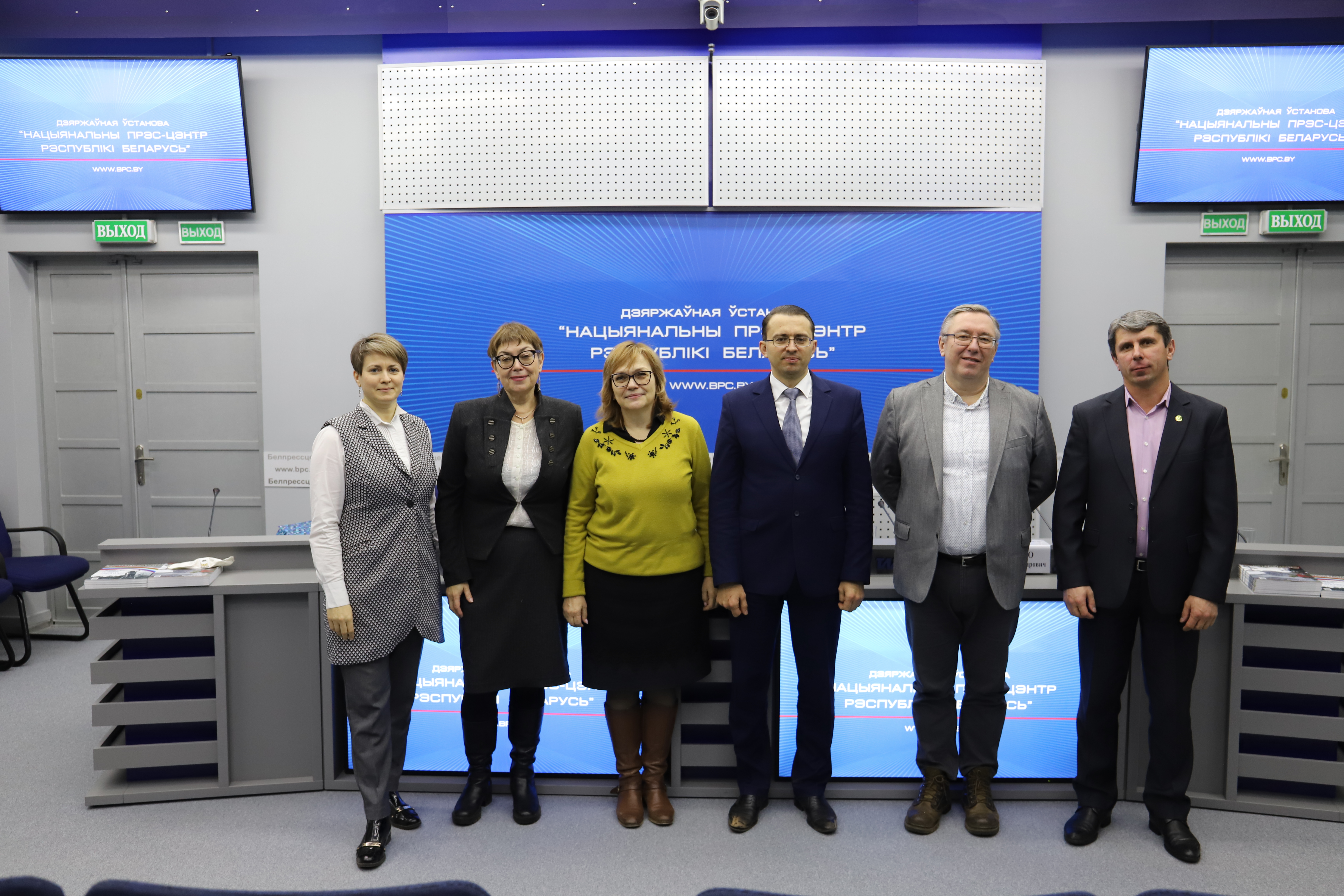
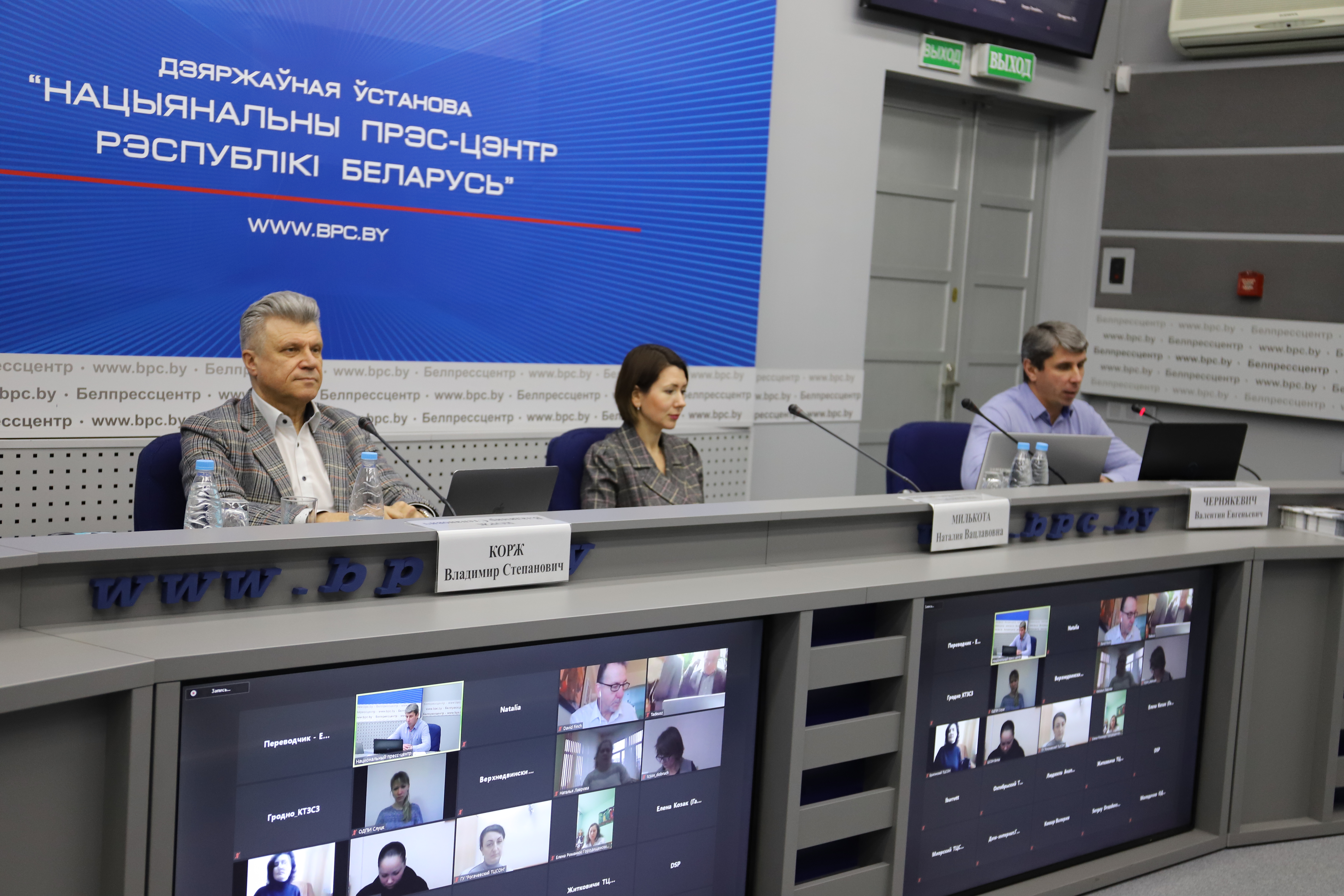
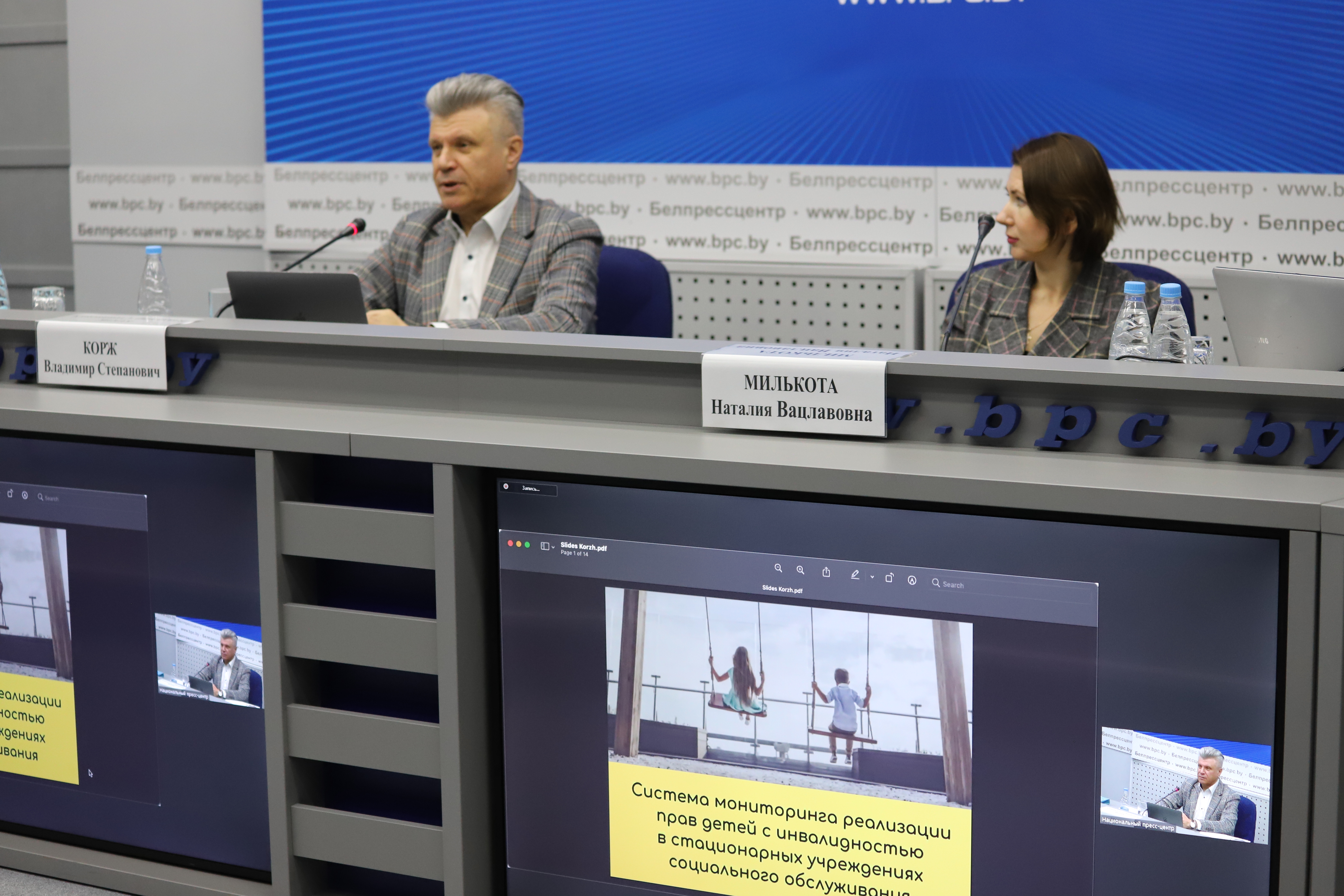
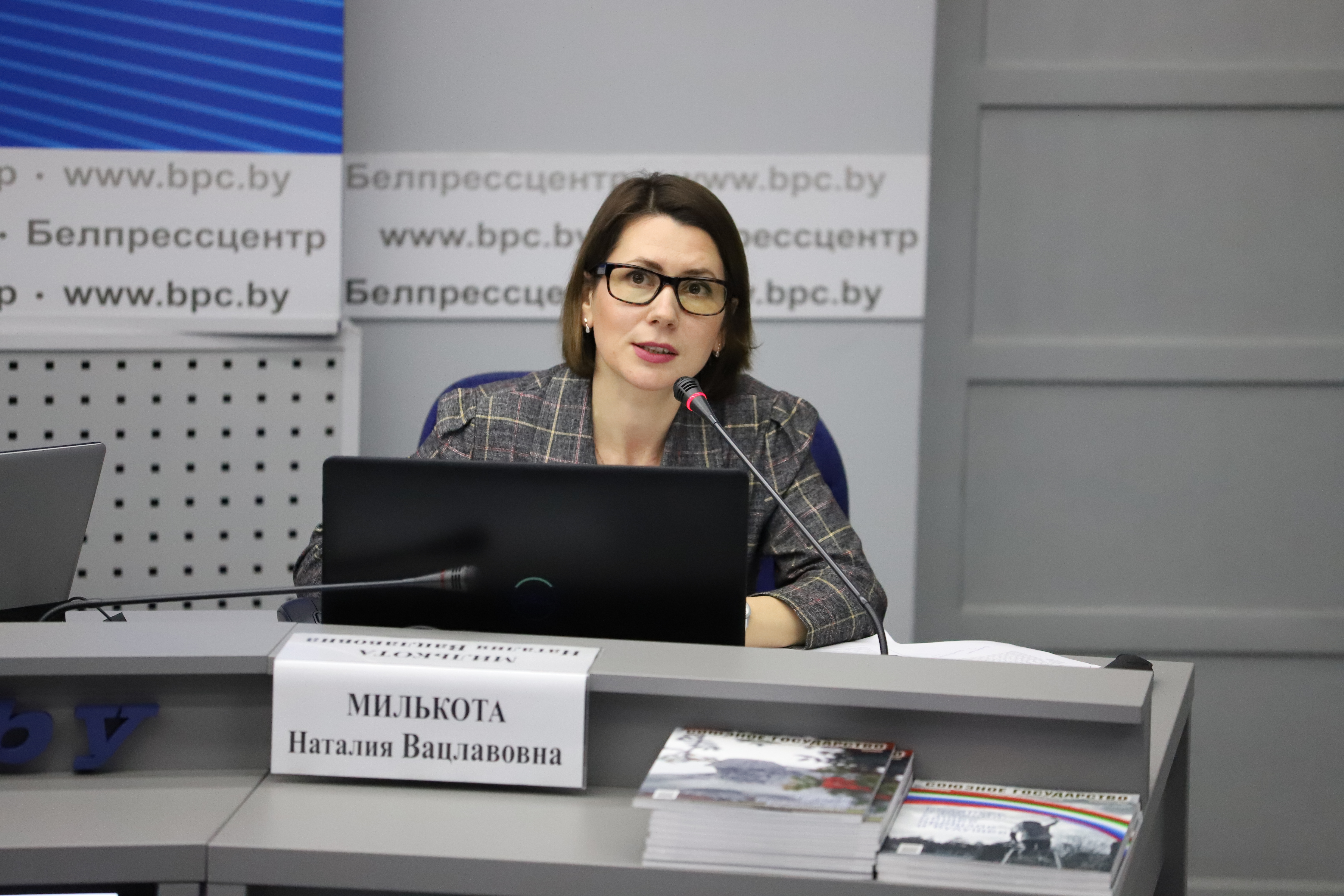


The conference was held as part of the events dedicated to the 20th anniversary of the Charitable Public Association "World Without Borders".
The online conference was attended by over 700 participants. Among them are specialists from house-boarding institutions for children with disabilities, employees of the UN system, representatives of the General Prosecutor's Office, the Ministry of Labor and Social Protection, the Ministry of Education, teachers of secondary schools, specialists from Social and Pedagogical Centers, Centers for correctional developmental education and rehabilitation, representatives of public organizations of Belarus.
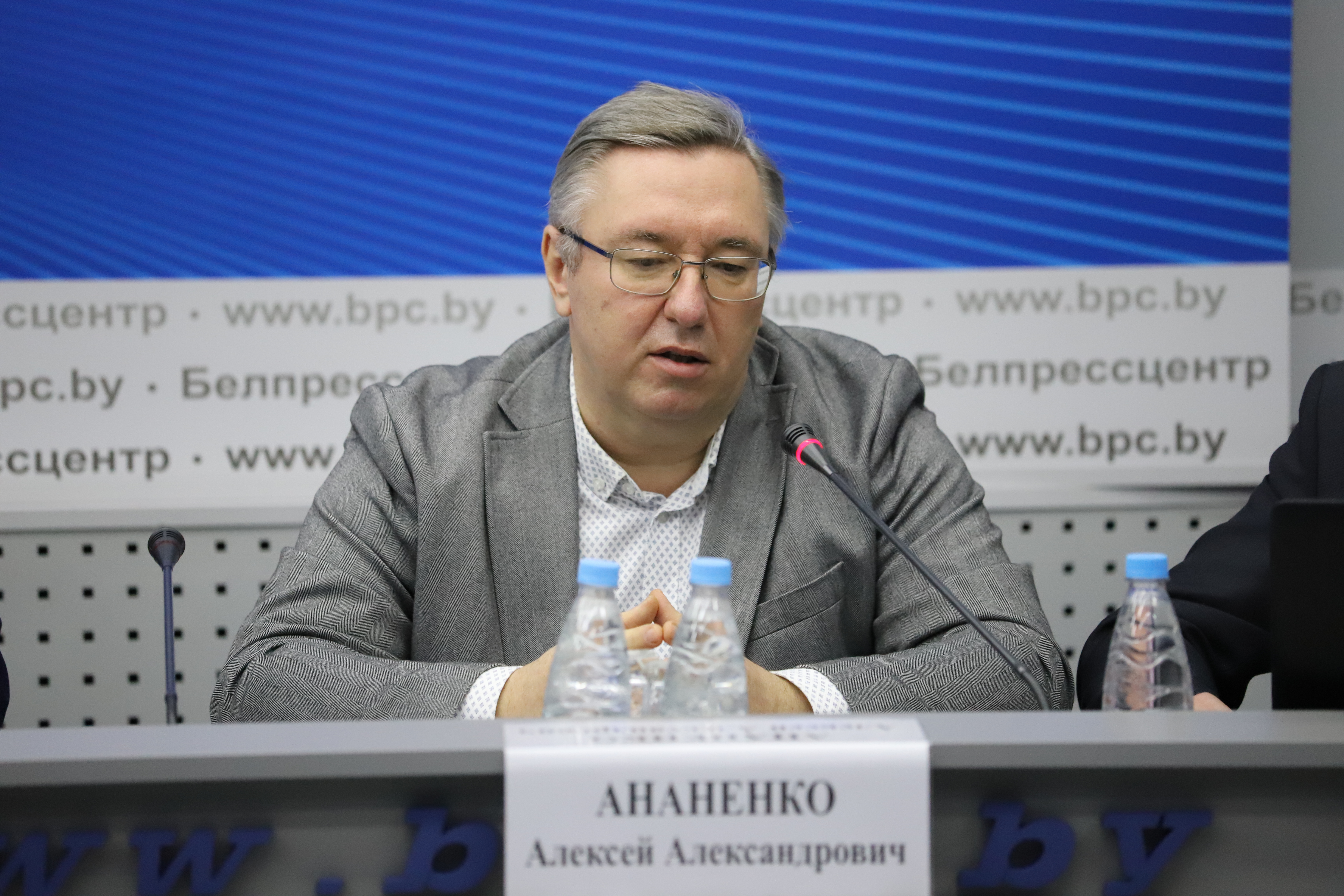
In his welcoming speech, the chairperson of World Without Borders Alexey Ananenko thanked the participants for their interest in the topic on the agenda and spoke about the main sections of the conference:
“We have included in the program those issues that are currently key for the successful implementation of the rights of children of vulnerable groups. These are the issues of monitoring the situation of children with disabilities and children in conflict with the law; a section on how to educate such children about their rights, teach them to live in the legal field; as well as a section devoted to applied methods of working with children who have behavioral problems”.
Foreign speakers from Russia, Poland, Great Britain, Norway and Sweden shared their experience in realizing children's rights. The conference was attended by representatives of PA "Belarusian Association for Assistance to Disabled Children and Young People with Disabilities" and CPA the "Belarusian Children's Hospice".
On the first day of the conference, Velina Todorova, Deputy Chairperson of the UN Committee on the Rights of the Child, made a speech on the situation with children's rights in Belarus. The speaker recalled that all the rights enshrined in the Convention on the Rights of the Child also belong to children with disabilities and children in conflict with the law.
Anna Bitova, Chairperson of the Board of the Center for Curative Pedagogy, a member of the Council under the Government of the Russian Federation on Social Welfare (Russia), shared her experience in preventing children from entering institutions; developing the priority of home and semi-permanent care; creating alternative forms of work for people with disabilities.
Lynette Barrett, Managing Director, and David Finch, Director of International Development, National Star College (UK), long term WWB partner in the field of creating a monitoring system, spoke about the most effective principles and methods to use in monitoring and protecting children's rights with disabilities in Belarus.
Mazena Rafalska, UNICEF international Educational Consultant, Expert of the Council of Europe and the European Wergeland Center, stressed that many adults have a prejudice that legal education is difficult for children, and this is a topic that needs to be raised at an older age:
“Childhood is the perfect time to start teaching human rights. The process of this learning continues throughout life. Yes, children may not know legal terms. They may not know what “convention”, “discrimination”, “justice” are, but at an early age children understand whether they were treated fairly or not. They feel bad when their dignity is violated.”
Yekaterina Taranchenko, Director of Legal Affairs, St. Petersburg NGO “Perspektiva”, spoke about the changes in Russian legislation affecting the processes of deinstitutionalization of children with disabilities.
On the second and third days of the conference, the participants were presented with the key results of the project “To Know in Order to Help” * is a monitoring system for the rights of children with disabilities in house-boarding institutions and a manual for specialists from house-boarding institutions on teaching children with disabilities the rights of the child.
The last day of the conference was dedicated to the topic "Children in conflict with the law: from conflict to inclusion". Experts from Sweden, the Netherlands, Norway and Belgium were invited to give a speech. Robert Orell, a member of the EU Radicalization Network, spoke about preventing youth extremism. Knut Gunderson, Professor Emeritus of the VID Specialized University in Oslo, made a presentation on an innovative methodology for working with difficult adolescents - ART (Aggression Replacement Program). A speaker from the Netherlands, Yannick van den Brink, highlighted issues of youth justice and international standards for children's rights. The speaker from Belgium, an expert on conflict management Mark Barwick, analyzed in detail the topic of the conflict and its management. Aesthetics instructor and trainer Kristina Kastronova introduced the participants to the neurographic method and its effectiveness. Yousef Yebari, President of the Stockholm Charitable Organization "Train of the Future", spoke about the ABC method (a method of working with children in difficult life situations).
At the end of the online conference, Alexey Ananenko, Chairperson of the World Without Borders, summed up the event:
"The conference became a dialogue platform where representatives of government agencies and public organizations in the field of the implementation of children's rights were able to share their knowledge and experience, develop a joint direction to be followed in matters of protecting children's rights”.
For reference:
* The project “To Know in Order to Help” has been implemented by World Without Borders in cooperation with the Ministry of Labor and Social Protection with the support of the non-governmental organization “ERIKS Development Partner” (Kingdom of Sweden) since August 2018. The project is aimed at studying and testing international standards for monitoring and evaluating the implementation of the rights of children with disabilities; new approaches to empower children with disabilities to enjoy the rights guaranteed by the Convention on the Rights of the Child and the Convention on the Rights of Persons with Disabilities. The objectives of the project correspond to national interests, development prospects, plans and strategies in the field of social protection, as well as legislation and international obligations of the Republic of Belarus.
International online conference on the protection of the rights of children of vulnerable groups
Gallery
17 December 2020
Share: