
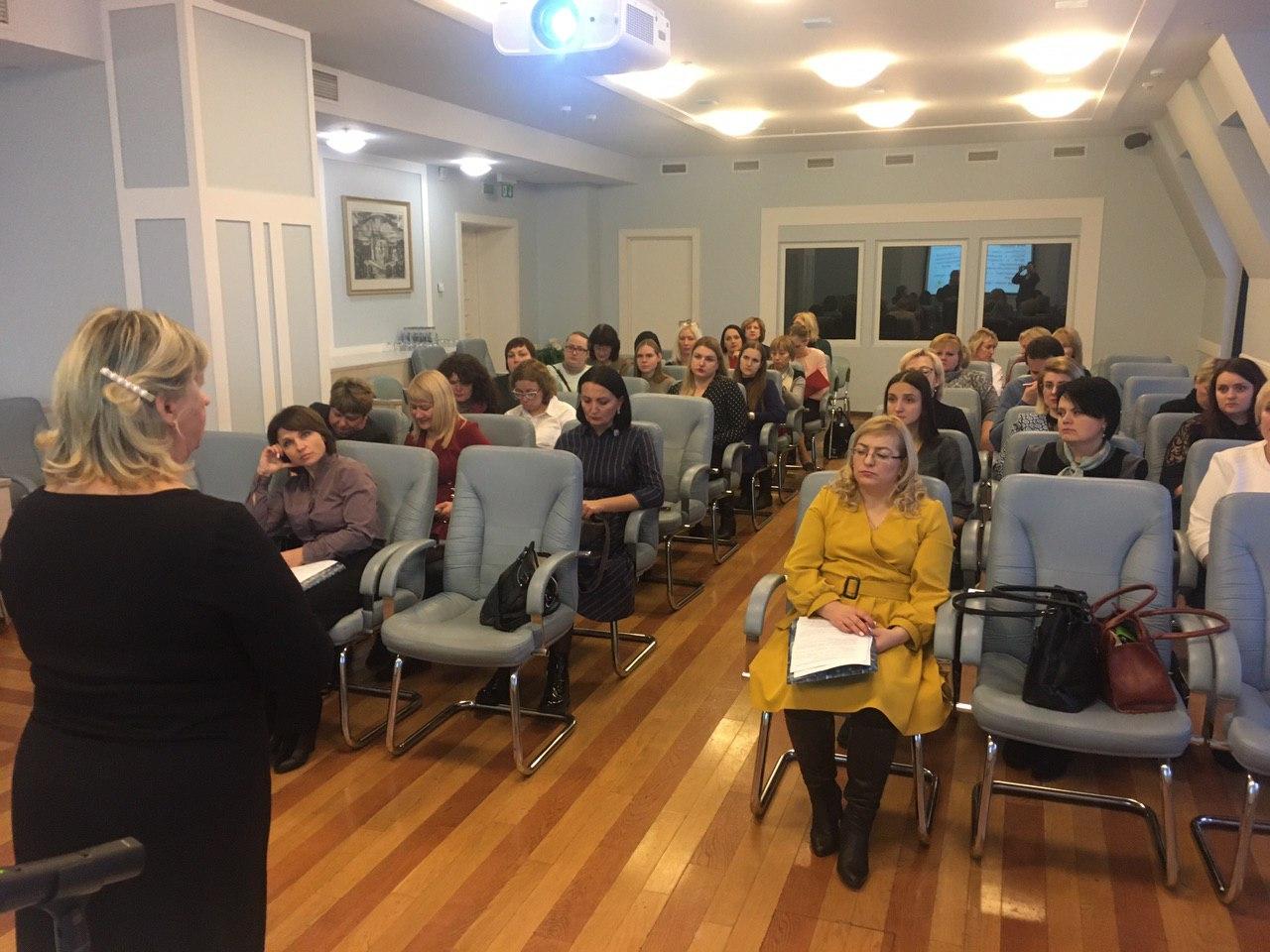
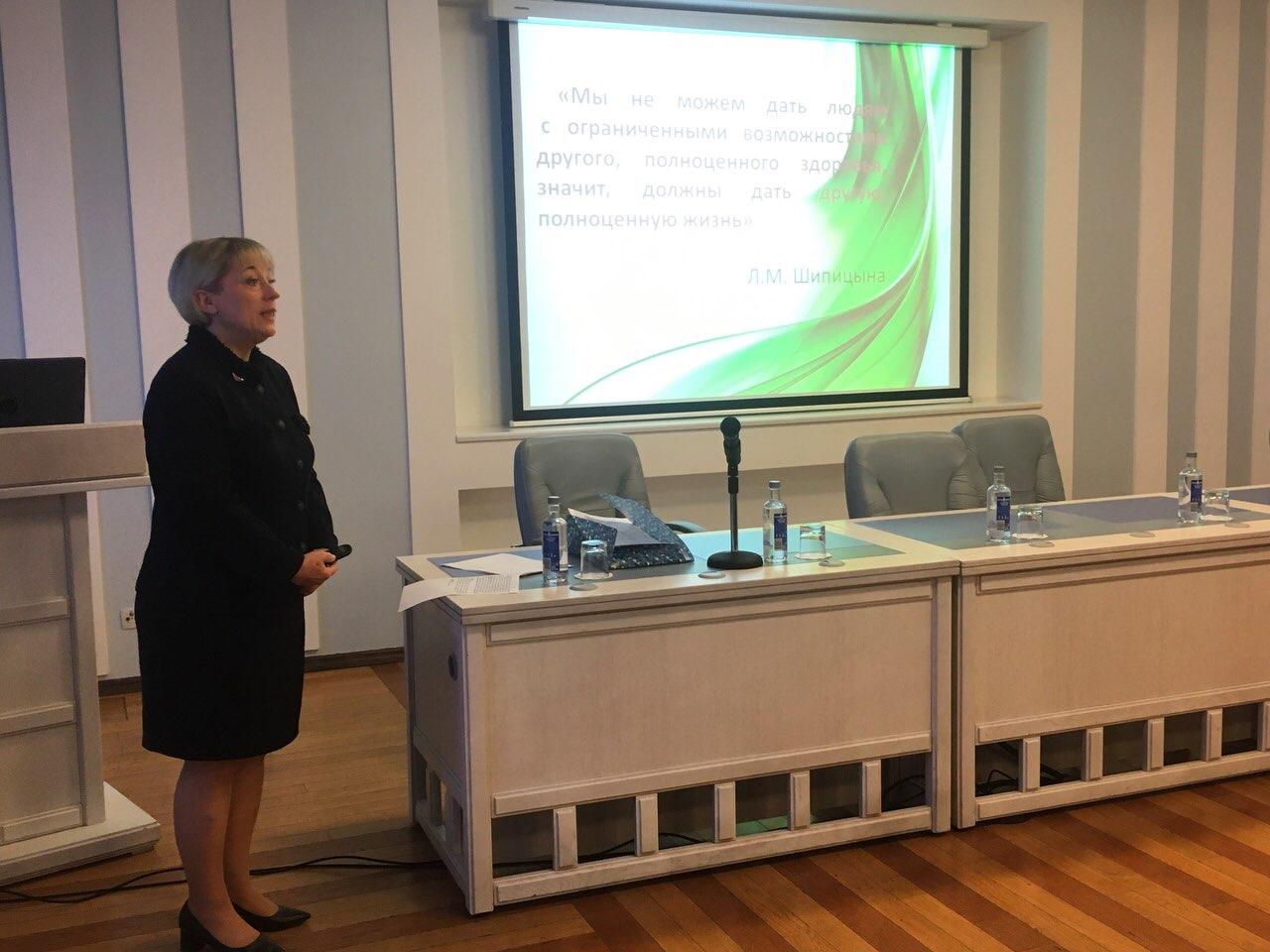
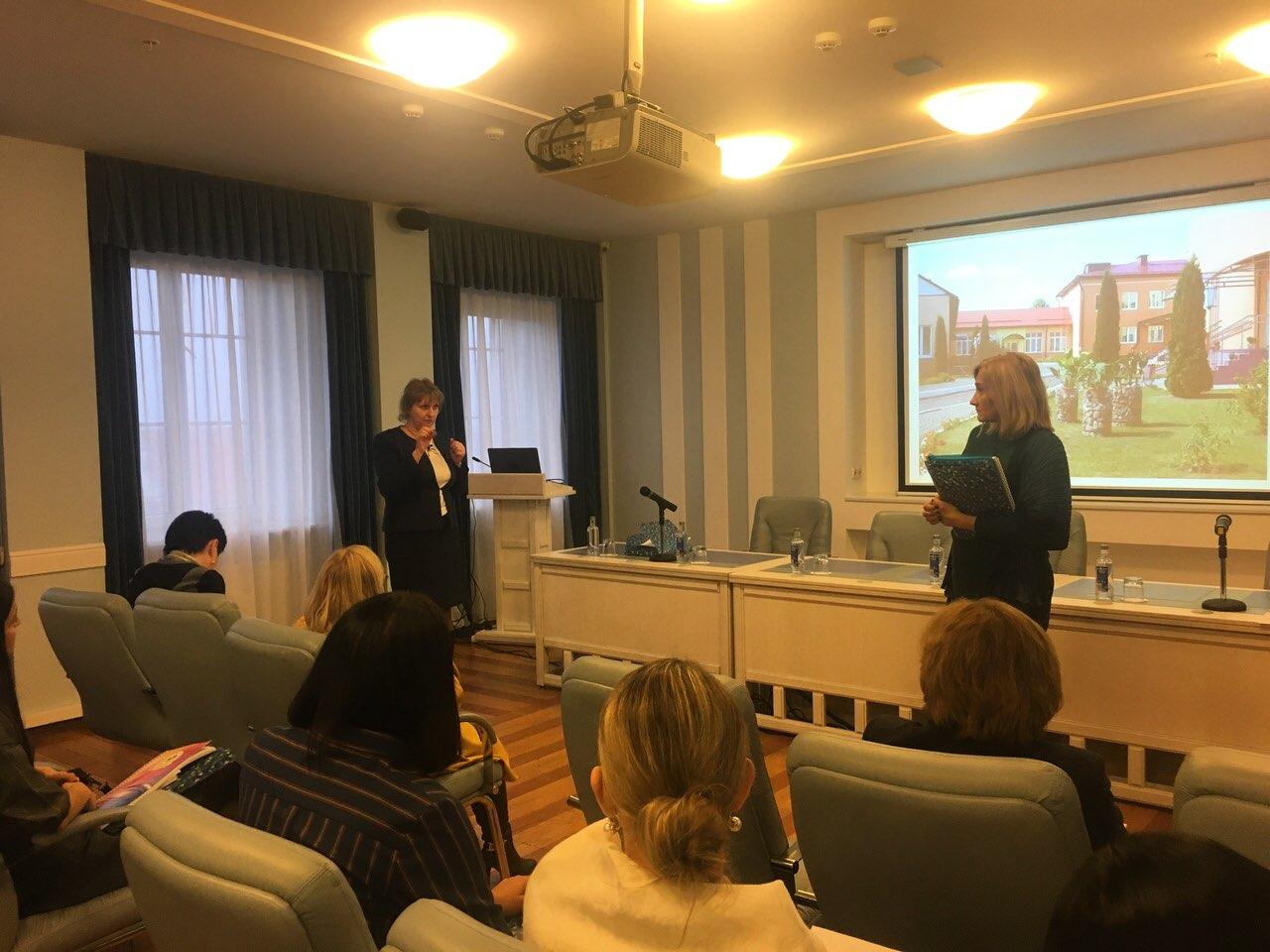
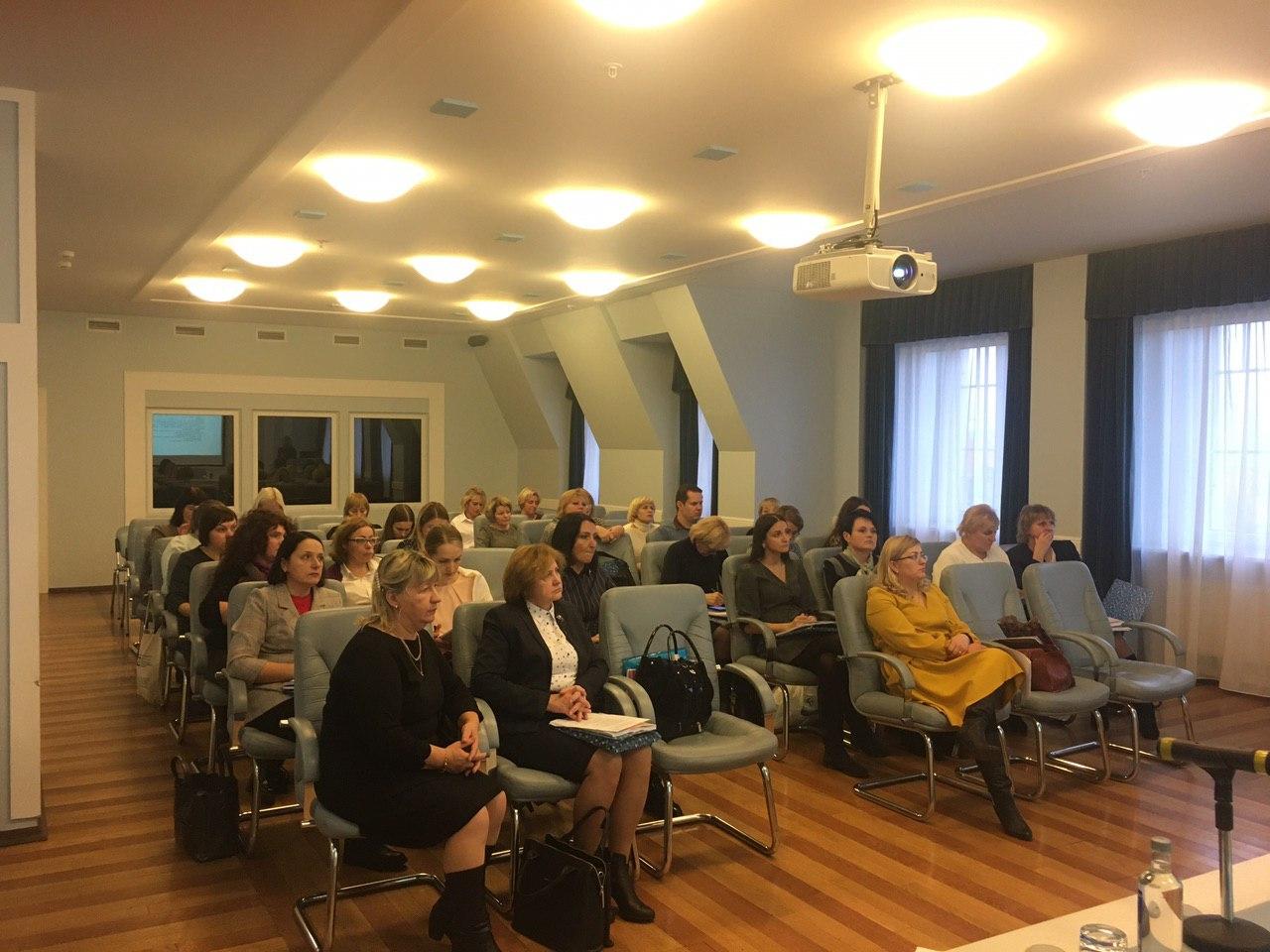


For nine months the research was conducted, which for the first time brought together representatives of different departments and spheres to discuss one important issue-how to make children with disabilities who are deprived of parental care have a chance to grow up in a family and be loved.
At the moment, there are about 32,000 children with disabilities in Belarus, 1,400 of them are brought up and live in house-bording institution. The number of children being raised at home is much higher than before.
Tatyana Korotkevich spoke about the project, which aims to change many lives:
What is the idea of this project?
-- Family plays an important role in the upbringing of children, our observations and research have shown that no matter how good it is in a boarding school, the most important institution for life is the family. If the child was deprived of parental care, then later, after coming of age, it is difficult to adapt in open communities and continues to need care from house-bording institution.
How to realize the right of children to a family?
-- A project was conceived in which we studied families and what the state and social systems need to do to support them and give them a platform for development. We analyzed the pupils of the Ivenets boarding house for further placement of children in families.
What work was done during the project?
-- To ensure effective interaction on the placement of children in families, social and health professionals were involved, forms of family arrangement and individual plans with development prospects were drawn up. We studied how to prevent children from entering house-bording institution and how to deal with those who are social orphans. We thought about what to do with the existing house-bording institution and what their fate is in general, because it is very important that we do not theat carelessly to the resources that we have.
We thought about how to prepare parents, relatives and employees to understand the child and receive basic knowledge for his further development in an open society.
What results did you get? What do families need and what problems do they face?
-- Most often, from families receive requests for quality medical care.
In order to be stronger, the family needs psychological support, especially at the early stages, when a child appears or something happens, they recognize about the diagnosis, they need active consolidated work of psychological services and adequate information.
Without getting the necessary information, parents are deprived of the opportunity to use existing resources that make life easier for the whole family.
The practice of early intervention should give answers about the future, parents, without getting the necessary information it’s difficult to plan something and do not see a future life for themselves and the child, for this reason they tend to leave the child in a house-bording institution.
For example, if a child has problems with the speech, it is necessary to teach parents alternative methods and constantly give new knowledge, because the child is growing and his needs are changing.
The financial issue is not in the first place, because most families have enough material benefits, support from the state and other structures to support a disabled child and give them the minimum that he needs.
Can Belarusians make full use of the necessary services?
-- As we found out, there is a particular lack of services such as babysitting, social respite and rehabilitation, at the moment these services are provided only for a fee. To use any of the services, a parent who does not work or is supported by the state needs to spend a large amount of money.
These services are provided only in the presence of one of the parents, it turns out that the original meaning is lost and you will not be able to use them fully. A shortage of personnel is also a problem. People who have to work with disabled children and replace their parents should be provided with special training courses, financial motivation and prospects for the development of job creation.
In Latvia, this question was resolved in such a way that it became possible to officially employ a close relative as a babysitter to help the family and partially replace the parents. There is no such practice in Belarus yet.
Placement of a child in a family
-- It’s necessary to have an individual approach to the device of the child in the family, because this process is very versatile. As a result of our interagency cooperation, it became clear that the needs of the child should come first.
Our children need government support, babysitters, programs to work with children with intellectual disabilities, provide working places and changes in legislation. On the basis of house-bording institution, it is necessary to activate work of placing children in families and care that youth departments perform their functions on 100% — this will give children a ticket in life.
As it turned out, we have large resources – psychological services in education at different levels (kindergarten, school, higher education institutions, social and pedagogical centers).
A full-scale work was carried out, where families were analyzed, weaknesses and strengths were calculated, and based on this, they were assisted.
Everyone has the right to live a full life. The results of the “Step forward” project creating a roadmap for the deinstitutionalization of children with disabilities from the Ivenets house-bording institution
Gallery
23 December 2019
Share: